


What Questions Should You Ask Before Rhinoplasty Surgery?
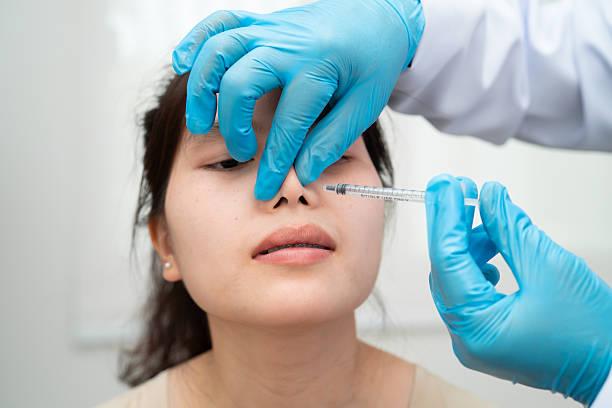
Rhinoplasty is a surgical procedure that reshapes the nose to improve facial proportions, address cosmetic concerns, or correct certain structural problems that affect breathing. Although the procedure can offer long-lasting changes, preparing for surgery involves more than choosing the result you want. Understanding the surgeon's qualifications, the treatment plan, possible complications, and recovery requirements can help you make an informed decision.
For individuals considering Rhinoplasty in Riyadh, asking the right questions during the initial consultation can clarify whether surgery is suitable for their needs. An open discussion with a qualified surgeon helps establish realistic expectations and ensures that important medical and practical considerations are addressed before proceeding.
Questions About Your Surgeon's Qualifications
Choosing an appropriately qualified and experienced surgeon is one of the most important steps in rhinoplasty planning. Nasal surgery requires a detailed understanding of facial anatomy, structural support, and breathing function.
Consider asking the following questions:
-
What are your qualifications and training in nasal surgery?
-
How much experience do you have performing rhinoplasty?
-
Have you treated patients with concerns similar to mine?
-
Can I review examples of your previous results, where appropriate?
-
Where will my surgery take place, and what safety arrangements are available?
The surgeon should explain their approach clearly and answer questions without guaranteeing a particular appearance. Before-and-after photographs may help you understand their work, but individual outcomes can differ significantly.
Questions About Your Suitability for Rhinoplasty
Not everyone who wants to change their nose is automatically a suitable candidate for surgery. Your medical history, nasal anatomy, general health, and expectations all influence the decision.
Am I a Suitable Candidate?
Ask whether your health and nasal development make surgery appropriate. The surgeon should review previous operations or injuries, allergies, medications, nicotine use, and any conditions that may affect anesthesia or healing.
You should also discuss whether your expectations are realistic. Rhinoplasty can improve selected features, but it cannot guarantee perfect symmetry or reproduce another person's nose exactly.
Can Rhinoplasty Address My Specific Concern?
Explain what bothers you about your nose and ask which changes may be possible. Your concern might involve a prominent bridge, a bulbous tip, wide nostrils, asymmetry, or breathing difficulties.
The surgeon should explain the limitations of surgery and whether a different procedure, such as functional nasal surgery, may be more appropriate. If breathing is a concern, ask how nasal airflow will be evaluated.
Questions About the Procedure and Surgical Technique
Understanding the planned operation can help you feel more prepared and know what to expect.
Which Rhinoplasty Technique Do You Recommend?
Ask whether an open or closed approach is appropriate for your case and why. Open rhinoplasty uses a small incision across the tissue between the nostrils, while closed rhinoplasty uses incisions inside the nose. The choice depends on the changes required and the surgeon's judgment.
You can also ask whether the procedure will involve reshaping bone, modifying cartilage, refining the nasal tip, adjusting the nostrils, or correcting internal structures.
How Long Will the Surgery Take?
The duration varies according to the complexity of the procedure and whether functional corrections or additional techniques are required. Ask about the expected length of surgery, the anesthesia plan, and the arrangements for going home afterward.
Will I Need Additional Procedures?
Some patients may require structural support, cartilage grafting, or functional correction. Ask whether these techniques are necessary in your case and how they may affect the treatment plan, recovery, and potential risks.
Questions About Risks and Possible Results
Every surgical procedure involves risks, and rhinoplasty is no exception. Your surgeon should explain both common recovery effects and less common but serious complications.
Ask questions such as:
-
What complications are possible with my planned procedure?
-
Could surgery affect my breathing or sense of smell?
-
How likely are swelling, asymmetry, or visible scarring?
-
What happens if I am dissatisfied with the result?
-
Under what circumstances might revision surgery be considered?
Potential complications include bleeding, infection, anesthesia-related problems, persistent swelling, changes in sensation, asymmetry, dissatisfaction, and new or ongoing breathing difficulties. Revision surgery may sometimes be considered, but it carries additional risks and cannot guarantee a preferred outcome.
Ask what results are realistic for your anatomy and how long it may take to assess the final appearance. Digital simulations, if available, can help communicate goals but cannot guarantee the actual result.
Questions About Recovery and Aftercare
Recovery is a major part of rhinoplasty, and knowing what to expect can help you plan work, family responsibilities, and other commitments.
How Long Will Recovery Take?
Many patients return to some routine activities within one to two weeks, depending on the procedure and their surgeon's advice. Swelling can last for months, and final refinement may take a year or longer.
Ask when you can safely return to work, exercise, driving, and other daily activities.
What Aftercare Will I Need?
Ask how to care for the nose, manage discomfort, protect the surgical area, and attend follow-up appointments. Confirm whom to contact if you experience unexpected symptoms or have concerns outside regular clinic hours.
You should seek prompt medical attention for heavy bleeding, worsening pain, fever, unusual discharge, or significant breathing changes.
Questions About Treatment Expenses
Before confirming surgery, ask for a clear written estimate that explains which services are included. The total financial commitment may depend on the procedure's complexity, the surgeon's fees, anesthesia, facility charges, medical assessments, medications, and follow-up care.
Useful questions include:
-
Does the estimate include anesthesia and the surgical facility?
-
Are preoperative tests and follow-up visits included?
-
Could additional charges arise if the treatment plan changes?
-
What are the payment, cancellation, and rescheduling policies?
Understanding the full treatment plan can help you make a considered decision without compromising on safety or appropriate qualifications.
Preparing for Your Rhinoplasty Consultation
Before the appointment, write down your main concerns, list your medications and relevant medical history, and prepare photographs if they help explain your goals. Be honest about previous nasal procedures, nicotine use, and any breathing symptoms.
If you are exploring Rhinoplasty in Riyadh, Royal Clinic Saudia can be a starting point for arranging a consultation with a qualified specialist. Use the appointment to discuss your goals, the recommended technique, expected recovery, potential complications, and aftercare. You should feel informed and comfortable before deciding whether to proceed.
FAQs:
How many consultations are needed before rhinoplasty?
The number varies depending on the patient's needs and the complexity of the procedure. You should have enough time to understand the treatment plan, ask questions, and make an informed decision before scheduling surgery.
Should I discuss breathing problems before rhinoplasty?
Yes. Tell your surgeon about congestion, nasal obstruction, previous injuries, or other breathing concerns. These symptoms may require additional assessment and could affect the surgical plan.
Can I request a specific nose shape?
You can explain your preferences and show reference photographs, but the surgeon must consider your anatomy, facial proportions, and nasal function. A particular result cannot be guaranteed.
What should make me reconsider a rhinoplasty provider?
Be cautious if a provider promises a perfect result, dismisses your questions, fails to explain risks, or cannot clearly describe their qualifications and surgical setting. A responsible consultation should include realistic expectations, informed consent, and a discussion of alternatives.

 English
 Arabic
 Spanish
 Portuguese
 Deutsch
 Turkish
 Dutch
Dutch
 Italiano
 Russian
 Romaian
 Portuguese (Brazil)
 Greek
Greek
 Bengali