


How Does Root Canal Treatment Remove Tooth Infection?
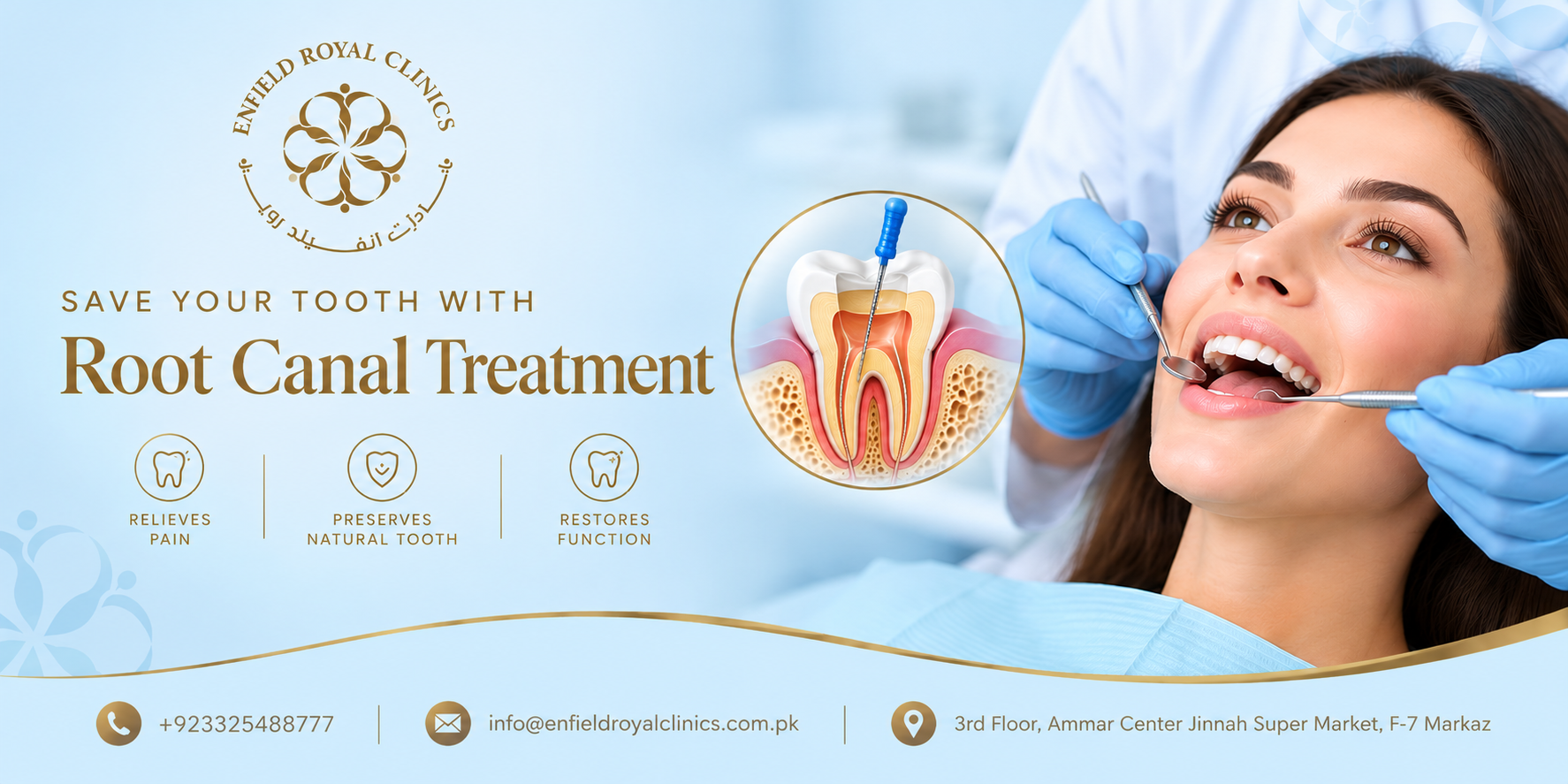
A tooth infection can develop when bacteria enter the inner part of a tooth and damage the pulp, which contains nerves, blood vessels, and connective tissue. This problem often begins with untreated tooth decay, a crack, or an injury. As the infection progresses, it may cause persistent toothache, sensitivity, swelling, or discomfort while chewing. Without appropriate treatment, bacteria can spread beyond the tooth's root and affect the surrounding tissues.
Root canal treatment helps control this infection by removing damaged pulp, cleaning the inside of the tooth, and sealing the root canals to reduce the risk of further bacterial growth. Unlike extraction, this procedure aims to preserve the natural tooth while restoring its function. Understanding how the process works can help patients make informed decisions about their dental health and explore options such as Root Canal Treatment in Islamabad.
1. How Does a Tooth Infection Develop?
A tooth infection often begins when bacteria enter the tooth through damaged enamel or dentin. The enamel forms the hard outer layer, while the dentin lies underneath and surrounds the pulp. When decay progresses through these protective layers, bacteria can reach the pulp and trigger inflammation or infection.
Several dental problems can contribute to this process.
-
Deep cavities: Untreated tooth decay can gradually reach the pulp and allow bacteria to enter.
-
Cracked teeth: Small cracks may create pathways for bacteria to reach the inner tissues.
-
Dental injuries: A strong impact can damage the pulp, even when the tooth does not appear visibly broken.
-
Repeated dental procedures: Multiple treatments on the same tooth may sometimes irritate the pulp.
-
Damaged fillings or restorations: Gaps or defects may allow bacteria to enter the tooth.
When the pulp becomes severely inflamed or infected, the tooth may develop throbbing pain, prolonged sensitivity to temperature, or tenderness when biting. Some infections cause swelling near the root or a small bump on the gums.
However, an infected tooth does not always cause noticeable symptoms. In some cases, the pulp loses its vitality and the pain decreases, even though infection remains around the root. A dental examination and appropriate X-rays can help identify the problem before it becomes more serious.
2. How Does Root Canal Treatment Remove the Source of Infection?
Root canal treatment focuses on removing the infected or damaged tissue inside the tooth. This is important because bacteria can survive within the pulp chamber and narrow root canals, where ordinary brushing and rinsing cannot reach them.
The procedure generally involves several stages.
Examination and diagnosis: The dentist checks the affected tooth, reviews the symptoms, and may take dental X-rays to assess the roots and surrounding bone. These findings help determine whether root canal treatment is appropriate.
Local anesthesia: The area around the tooth is numbed to help keep the patient comfortable during the procedure.
Accessing the pulp: A small opening is made in the tooth to reach the pulp chamber and root canals.
Removing damaged tissue: Specialized dental instruments are used to remove the infected or irreversibly damaged pulp from inside the tooth.
Cleaning the canals: The canals are carefully cleaned and shaped. Irrigating solutions help flush out debris and reduce bacteria in areas that instruments cannot fully reach.
Sealing the canals: Once the canals have been cleaned and prepared, they are filled with a suitable material and sealed to help prevent bacteria from entering again.
This combination of tissue removal, cleaning, disinfection, and sealing helps control the infection. The exact procedure depends on the tooth's anatomy, the extent of the damage, and whether the infection has spread beyond the root.
For patients considering Root Canal Treatment in Islamabad, understanding these steps can make the treatment process feel more predictable and less intimidating.
3. Does Root Canal Treatment Stop Bacteria From Spreading?
Root canal treatment is designed to control infection inside the tooth and reduce the likelihood of bacteria spreading into nearby tissues. When bacteria reach the pulp, the body's inflammatory response can cause pressure and pain. If the infection extends through the root tip, it may affect the surrounding bone and tissues.
In some cases, an infected tooth develops a dental abscess, which is a pocket of pus caused by infection. This may produce swelling, tenderness, an unpleasant taste, or pain when chewing.
By removing infected pulp and disinfecting the root canals, treatment addresses an important source of the infection. Sealing the canals and restoring the tooth also help reduce the chance of bacterial re-entry.
However, the outcome depends on several factors, including the complexity of the root canal system, the extent of the infection, and the quality of the final restoration. Some teeth have narrow, curved, or additional canals that can make treatment more challenging.
An infection that has already affected the surrounding tissues may take time to heal after the root canal procedure. The dentist may recommend follow-up examinations or X-rays to monitor recovery.
Antibiotics are not routinely necessary for every infected tooth. A dentist or physician may prescribe them when there are specific signs of spreading infection or systemic involvement, but they do not replace the need to treat the source of the infection.
Facial swelling, fever, or rapidly worsening symptoms require urgent assessment. Difficulty breathing or swallowing is a medical emergency.
4. How Does Root Canal Treatment Help Relieve Toothache?
Toothache associated with an infected pulp can range from mild sensitivity to severe, persistent pain. The discomfort may become worse at night, during chewing, or after exposure to hot and cold foods.
This pain often develops because inflammation affects the sensitive tissues inside the tooth. As the pulp becomes increasingly damaged, the pressure and irritation can produce significant discomfort.
Root canal treatment removes the affected pulp, which helps eliminate the source of pain inside the tooth. Local anesthesia is used during the procedure, and patients may feel pressure or vibration rather than sharp pain.
Some tenderness can remain after treatment, especially when the tissues surrounding the root were already inflamed. This usually improves over several days. The dentist may recommend appropriate pain relief based on the patient's health and individual circumstances.
It is important to remember that pain relief alone does not confirm that an infection has completely resolved. The tooth must be properly cleaned, sealed, and restored, and any persistent symptoms should be evaluated.
Not every toothache requires a root canal. Cavities, gum disease, cracked teeth, and other dental problems can cause similar symptoms. A proper diagnosis helps ensure that the patient receives the right treatment.
5. Why Is Sealing and Restoring the Tooth Important?
Removing infected pulp is only one part of successful root canal treatment. The canals must also be sealed, and the tooth usually needs a suitable restoration to protect it from further damage.
After the canals have been cleaned and disinfected, they are filled with a material designed to seal the internal space. This helps prevent bacteria from entering and multiplying inside the treated canals.
The opening made during treatment is then restored with a filling or another suitable material. Depending on the tooth's location and the amount of remaining structure, a dental crown may be recommended.
Back teeth often experience greater chewing forces, so a crown may provide important protection when the tooth has lost a substantial amount of structure. The appropriate restoration depends on the individual case.
If the final restoration is delayed or damaged, bacteria may enter the tooth again. A treated tooth can also develop new decay around its filling or crown. Root canal treatment therefore does not make a tooth immune to future dental problems.
Patients should follow the recommended treatment schedule and contact the dentist if a temporary filling comes loose, the bite feels uneven, or pain and swelling persist.
6. How Can Patients Prevent Another Tooth Infection?
Good oral hygiene and regular dental care can reduce the risk of new cavities and help protect a root canal-treated tooth. Prevention is especially important because a restored tooth can still develop decay or structural damage.
Helpful habits include:
-
Brushing twice daily: Fluoride toothpaste helps protect enamel and reduce the risk of cavities.
-
Cleaning between teeth: Daily flossing or another suitable interdental cleaning method removes plaque from areas a toothbrush may miss.
-
Limiting frequent sugary snacks and drinks: Repeated sugar exposure encourages the bacteria responsible for tooth decay.
-
Attending regular dental checkups: Examinations help identify new cavities, damaged restorations, and other problems early.
-
Protecting teeth from injury: A mouthguard may be useful during contact sports or activities that carry a risk of dental trauma.
-
Completing the recommended restoration: A permanent filling or crown helps protect the treated tooth from leakage and fracture.
Patients researching Root Canal Treatment in Islamabad can benefit from asking about the expected recovery period, the need for a crown, and the follow-up schedule. These details help them understand how treatment and ongoing care work together to support long-term dental health.
Frequently Asked Questions
1. Can root canal treatment completely remove a tooth infection?
Root canal treatment removes infected or damaged pulp, cleans the root canals, and seals them to control the source of infection. Many treated teeth heal successfully, although the outcome depends on the extent of the infection and the quality of treatment and restoration.
2. How long does it take for an infection to heal after a root canal?
Mild tenderness may improve within a few days, but healing around the root can take weeks or months. The timeline varies depending on the original infection. Follow-up appointments may be needed to confirm that the surrounding tissues are healing.
3. Are antibiotics enough to treat an infected tooth?
Antibiotics alone generally cannot eliminate an infection inside a damaged or infected pulp. Root canal treatment or extraction is usually needed to address the source. Antibiotics may be prescribed in selected cases when the infection is spreading or causing systemic symptoms.
4. Can a tooth become infected again after root canal treatment?
Yes. Reinfection can occur if bacteria enter through a damaged or leaking restoration, if part of the canal system remains untreated, or if new decay develops. Proper sealing, a suitable final restoration, good oral hygiene, and regular dental checkups help reduce this risk.

 English
 Arabic
 French
 Spanish
 Portuguese
 Deutsch
 Dutch
Dutch
 Italiano
 Russian
 Romaian
 Portuguese (Brazil)
 Greek
Greek
 Bengali