


Eyelash Hair Transplant in Dubai and Long-Term Maintenance
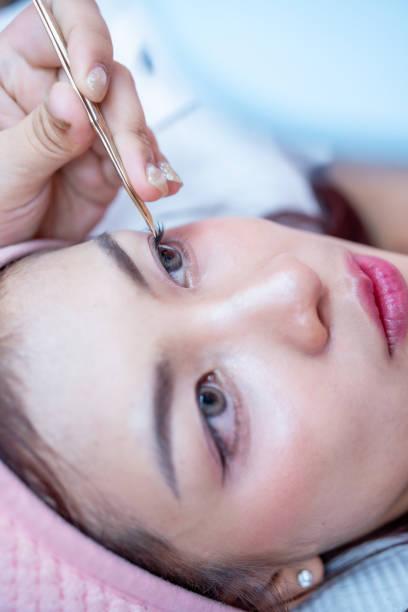
Surgical eyelash restoration is not necessarily a one-time treatment with no ongoing responsibilities. Transplanted follicles can continue producing hair according to characteristics associated with the donor area, meaning that grooming and follow-up may remain part of daily life. Eyelash Hair Transplant in Dubai should therefore be considered in terms of both the initial procedure and the care required over the longer term.
Understanding maintenance before surgery helps patients decide whether transplantation fits their lifestyle, expectations, and willingness to look after the transplanted hairs. It also helps prevent misunderstandings about how scalp-derived hair behaves when placed along the eyelid margin.
Why Long-Term Care Matters After Eyelash Hair Transplant in Dubai
Natural eyelashes have growth characteristics that differ from scalp hair. When scalp follicles are transplanted to the eyelid, their growth patterns may not change completely simply because they are in a new location.
This difference can affect hair length, texture, and grooming needs. The maintenance plan should be discussed before surgery so that patients understand what may be required once the area has healed.
Transplanted Hair May Continue Growing Longer
Scalp hair often grows longer than natural eyelashes. As a result, transplanted hairs may need periodic trimming to maintain a suitable length.
The frequency of grooming varies according to the individual hair characteristics and growth rate. Patients should ask their surgeon for guidance on safe maintenance rather than assuming that transplanted lashes will need no further attention.
Hair Texture May Differ From Existing Lashes
Transplanted hairs may appear thicker or straighter than surrounding natural eyelashes. Differences in texture can influence how well the new hairs blend with the existing lash line.
The surgeon should explain these limitations during consultation. Although careful planning may improve the overall appearance, an identical match with natural eyelashes cannot be guaranteed.
Hair Direction Requires Attention
The direction of transplanted hairs influences their appearance and their relationship to the eye surface. If a hair becomes misdirected or causes irritation, professional assessment may be necessary.
Patients should not attempt to pull out or reposition a problematic hair themselves. The appropriate response depends on the cause of the issue and should be determined by a qualified clinician.
Establishing a Practical Eyelash Grooming Routine
Once the surgeon confirms that the area has healed sufficiently, a suitable grooming routine can help patients manage transplanted hairs.
Safe Trimming Practices
Patients who need to trim transplanted hairs should ask their clinician for specific instructions. Because the work is performed close to the eye, careful handling is essential.
Useful precautions include:
-
Follow the surgeon's advice on when trimming can begin.
-
Use only an appropriate, clean grooming tool.
-
Avoid trimming when the eyelid is irritated or the eye is moving unexpectedly.
-
Do not attempt to cut a hair that is touching the eye surface without professional advice.
-
Seek clinical guidance if hair direction or length creates discomfort.
Patients who are uncomfortable trimming hairs near the eye should discuss safer options with their treating clinician.
Cosmetic Products and Lash Enhancements
Mascara, eyeliner, lash serums, adhesives, and extensions may have different implications for a surgically treated eyelid. Whether a particular product is appropriate depends on the stage of healing, eye health, and the product itself.
Do not resume cosmetic products during early recovery without approval. Once healed, ask the clinician whether any products or application practices should be avoided because of irritation or other concerns.
Cleaning and Eye-Area Hygiene
Normal hygiene should be resumed according to postoperative instructions. Patients should avoid harsh rubbing and follow any specific recommendations for cleaning the eyelid margin.
If persistent redness, crusting, irritation, or other symptoms develop, seek medical advice rather than increasing cleansing or applying unapproved products.
Follow-Up After Eyelash Transplantation
Follow-up appointments allow the clinician to assess healing, monitor growth, and discuss any concerns about the appearance of transplanted hairs.
The timing of reviews depends on the treatment plan and the patient's progress. Patients should ask how long follow-up will continue and what to do if a problem develops between appointments.
Assessing Growth and Appearance
Early changes in hair growth do not necessarily represent the final result. Transplanted hairs may shed and later grow again, while the overall appearance develops gradually.
A clinician can explain when the result can be meaningfully evaluated and whether any additional assessment is needed.
Managing Unexpected Hair Growth
Some patients may find that transplanted hairs grow longer or in a different direction than anticipated. These characteristics should be discussed during the initial consultation, but the appropriate response can only be determined once the hairs and eyelid area have been assessed.
Persistent irritation or hairs contacting the eye surface should receive professional attention.
Is Eyelash Transplantation Compatible With Your Lifestyle?
Long-term maintenance is an important consideration for people with busy work schedules, frequent travel, or limited time for regular grooming.
Before treatment, think about whether you are comfortable with the possibility of trimming transplanted hairs and attending follow-up appointments. Also consider how you would manage cosmetic products and grooming during recovery.
A useful consultation should address the everyday implications of the procedure rather than focusing exclusively on the immediate cosmetic goal.
Common Maintenance Mistakes to Avoid
Aftercare and grooming practices should protect the eye area and avoid unnecessary irritation.
Common mistakes include:
-
Trimming transplanted hairs before the surgeon confirms it is safe.
-
Applying lash extensions or adhesive products too early.
-
Pulling out a hair because its direction looks unusual.
-
Ignoring persistent irritation or changes in eye comfort.
-
Assuming that transplanted hairs will behave exactly like natural eyelashes.
-
Skipping follow-up appointments when concerns remain unresolved.
Following individualized guidance can help patients manage their transplanted hairs more safely over time.
Frequently Asked Questions
Do transplanted eyelashes need regular maintenance?
They may. Scalp-derived hairs can continue growing longer than natural eyelashes and may require trimming. The exact maintenance routine depends on individual hair characteristics.
Can I use mascara after an eyelash transplant?
Mascara should not be used during early recovery unless the treating clinician confirms it is safe. Once the area has healed, discuss suitable products and application practices with your clinician.
Can I use eyelash extensions over transplanted hairs?
Do not assume that extensions or their adhesives are suitable after surgery. Ask your clinician about potential irritation, the condition of the eyelid margin, and whether the practice is appropriate for you.
What happens if transplanted hair grows toward the eye?
A hair that causes eye irritation should be assessed professionally. Do not attempt to remove or reposition it yourself, especially if you experience pain, light sensitivity, or visual changes.
Will maintenance be required forever?
The long-term requirements vary. Transplanted scalp hair may retain its original growth characteristics, so some patients need ongoing grooming. Your surgeon should explain the likely commitment before treatment.
Can transplanted eyelashes be styled like natural lashes?
The options depend on hair characteristics, healing, and individual suitability. Ask your clinician which grooming practices are appropriate and which could irritate the eyelids.
Discuss Long-Term Eyelash Care With Tajmeels Clinic
The decision to undergo eyelash restoration should include an understanding of daily grooming, follow-up, and the differences between scalp hair and natural eyelashes. Knowing these details in advance helps patients develop realistic expectations and plan for the long term.
If you are considering Eyelash Hair Transplant in Dubai, explore Tajmeels Clinic's eyelash hair transplant service and request a consultation to discuss the procedure and its ongoing care requirements.
Clinic note: Maintenance needs vary according to the donor hair, procedure, and individual growth pattern. Follow your clinician's guidance for grooming and eye-area care.

 English
 Arabic
 French
 Spanish
 Deutsch
 Turkish
 Dutch
Dutch
 Italiano
 Russian
 Romaian
 Portuguese (Brazil)
 Greek
Greek
 Bengali