


Which Cooling and Inspection Measures Support Reliable Motor Operation
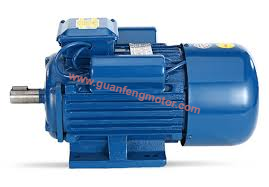
What Factors Help Prevent Overheating in a High-efficiency IE3 Industrial Electric Motor?
Electric motors often operate for extended periods in factories, workshops, agricultural facilities, and processing plants, where stable performance is essential for keeping equipment running smoothly. However, excessive heat can affect winding insulation, bearing condition, lubrication, and overall service life. A High-efficiency IE3 Industrial Electric Motor can support energy-conscious operation, but its temperature still depends on installation quality, electrical conditions, cooling arrangements, and mechanical loading. At guanfengmotor, understanding these operating factors helps industrial users consider suitable motor solutions and maintenance practices. What measures can help prevent overheating while preserving dependable performance?
Understanding the Main Causes of Overheating
Heat develops naturally when electrical energy is converted into mechanical power. Some energy is lost through winding resistance, magnetic effects, bearing friction, and air movement inside the motor. Although an efficient design can reduce certain losses, heat cannot be eliminated entirely. When it accumulates faster than the motor can release it, the internal temperature may rise beyond the intended operating range.
Excessive loading is a common cause. When a motor drives equipment that demands greater torque than its rated capacity, the electrical current may increase and generate additional heat. Incorrect voltage, phase imbalance, damaged connections, and unsuitable control settings can also create abnormal operating conditions. In some cases, a motor that appears to have a cooling problem is actually experiencing excessive mechanical resistance or an electrical fault.
Identifying the cause is therefore an essential first step. Replacing a fan or cleaning the housing may not resolve the issue if the underlying problem comes from an incorrectly selected motor, a faulty power supply, or a driven machine that is difficult to turn.
Cooling and Ventilation Are Essential
An effective cooling arrangement allows heat to move away from internal components and dissipate into the surrounding air. Many industrial motors use an external fan together with ventilation passages and a finned housing. These features help circulate air across the motor surface, supporting temperature control during normal operation.
The cooling system can only function as intended when airflow remains unobstructed. Dust, fibers, oil residue, and other deposits may collect around ventilation openings or between cooling fins. Such buildup reduces the available path for air movement and can cause the housing temperature to rise. Regular cleaning is therefore a practical maintenance measure, particularly in workshops where airborne particles are common.
The space surrounding the motor also deserves attention. Installing a unit close to a wall, enclosing it without sufficient ventilation, or placing it beside another heat-producing machine can restrict heat dissipation. Operators should follow the manufacturer's installation instructions and allow suitable clearance around the housing. Ambient temperature, humidity, and exposure to corrosive substances should also be considered when selecting a motor for a particular environment.
Correct Loading and Electrical Conditions
Selecting an appropriate motor rating helps avoid unnecessary thermal stress. The required output should match the driven machine's operating demands, including starting conditions, running torque, duty cycle, and possible changes in workload. A motor that is consistently overloaded may draw excessive current, while an oversized unit operating far below its intended load may not deliver the expected energy performance.
Electrical supply conditions also influence temperature. Voltage that falls outside the permitted range can affect current and torque, while an imbalance between phases may cause uneven heating in a three-phase motor. Loose terminals, damaged cables, or deteriorated connections can create localized hot spots and present additional safety concerns.
Qualified personnel should verify the supply voltage, phase balance, current, grounding, and protection settings during inspection. Appropriate overload protection and, where the application requires it, temperature monitoring can help identify abnormal conditions before serious damage develops. Any adjustment should follow the motor's nameplate information, applicable electrical standards, and manufacturer guidance rather than assumptions about typical operating values.
Mechanical Condition and Routine Inspection
Mechanical problems can increase the effort required to drive connected equipment. Worn bearings, poor shaft alignment, excessive belt tension, an unbalanced rotor, or a jammed load may increase friction and vibration. The additional mechanical resistance can raise the motor's current demand and contribute to overheating.
Routine inspection should therefore cover the entire drive system rather than the motor housing alone. Listen for unusual sounds, observe changes in vibration, inspect mounting bolts, and check whether the connected equipment turns freely. Bearing lubrication should follow the specified procedure and interval because insufficient lubrication increases friction, while excessive or unsuitable lubricant can also cause operational difficulties.
A maintenance record can help identify gradual changes in operating conditions. Recording temperature, current, vibration, and inspection findings at consistent intervals allows technicians to compare current readings with established operating patterns. A sudden change may indicate a developing fault that deserves investigation before the equipment experiences an unexpected shutdown.
Choosing a Suitable Motor for the Application
Motor selection should take account of rated power, voltage, frequency, speed, mounting arrangement, enclosure protection, and the environment in which the unit will operate. A motor intended for a clean indoor facility may require different protection from one installed in a dusty production area. The expected operating schedule and the characteristics of the driven machine should also be assessed before a purchase decision is made.
Guanfeng offers a range of electric motor products, including IE3 series three-phase asynchronous motors and single-phase asynchronous motors for different equipment requirements. Reviewing the available specifications and discussing the application with the supplier can help clarify whether a proposed model matches the required operating conditions. This assessment should include cooling needs, load behavior, installation space, and the maintenance resources available at the facility.
For machinery operators seeking dependable equipment for their specific power requirements, Guanfeng offers a range of motor solutions designed for different working environments and applications. When evaluating a High-efficiency IE3 Industrial Electric Motor, consider its rated output, cooling arrangement, installation conditions, and compatibility with the driven equipment to help manage heat and maintain consistent operation. Visit https://www.guanfengmotor.com/ to explore Guanfeng's single-phase asynchronous motor products and contact the company to discuss a suitable option for your equipment needs.

 English
 Arabic
 French
 Spanish
 Portuguese
 Turkish
 Dutch
Dutch
 Italiano
 Russian
 Romaian
 Portuguese (Brazil)
 Greek
Greek
 Bengali