


HVLS Fan Supplier Guide: Key Factors to Consider Before Making a Purchase
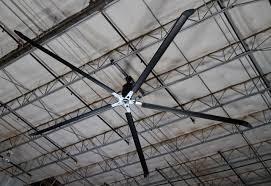
Choosing the right high-volume, low-speed (HVLS) fan supplier is an important decision for businesses that need effective air circulation in large indoor spaces. Warehouses, manufacturing plants, distribution centres, agricultural buildings, and commercial facilities often require reliable airflow solutions to support workplace comfort and improve air distribution.
HVLS fans are designed to move large volumes of air at relatively low rotational speeds, making them suitable for expansive areas with high ceilings. However, selecting the right equipment involves more than comparing prices. Businesses should evaluate product quality, energy efficiency, technical support, installation services, and long-term maintenance requirements before making a purchase.
Working with a dependable HVLS fan supplier can help simplify the selection process and ensure that the chosen equipment matches the facility's operational needs.
1. Understand Your Facility's Airflow Requirements
Before contacting an HVLS fan supplier, assess the specific requirements of your building. The size and layout of the facility play a major role in determining the appropriate fan diameter, quantity, and installation arrangement.
For example, a large warehouse with high ceilings may require a different solution from a manufacturing facility containing machinery and production lines. Commercial spaces may have additional considerations, such as noise levels, appearance, and customer comfort.
Consider the following factors:
-
Total floor area and ceiling height
-
Existing ventilation and HVAC systems
-
Areas where air circulation is limited
-
Storage racks, machinery, and other obstructions
-
Indoor temperature and humidity conditions
-
Operating schedules and occupancy levels
Understanding these requirements makes it easier to discuss suitable options with potential suppliers.
2. Evaluate Product Quality and Durability
Product quality is essential when investing in industrial air circulation equipment. HVLS fans are often expected to operate for extended periods, so their construction and component reliability should be carefully assessed.
A reputable supplier should provide clear information about blade materials, motor specifications, control systems, mounting hardware, and protective features.
Facilities exposed to dust, moisture, or corrosive conditions may need fans designed for those environments. Reviewing product documentation can help businesses determine whether a particular model is suitable for their operating conditions.
It is also worth asking about product testing, applicable safety certifications, warranty coverage, and the availability of replacement components.
3. Compare Energy Efficiency and Operating Costs
Energy consumption can significantly affect the long-term cost of operating an HVLS fan system. Businesses should compare motor efficiency, power requirements, variable-speed controls, and expected operating hours when evaluating available models.
An experienced HVLS fan supplier should be able to explain the performance specifications of different products and help identify options appropriate for the facility.
Some systems offer adjustable speeds, allowing operators to change airflow according to weather conditions, occupancy, and operational requirements. Certain models also support reverse operation to help redistribute warm air that accumulates near the ceiling during colder months.
Actual energy savings depend on building design, climate, equipment efficiency, and operating practices. For this reason, businesses should request realistic performance information instead of relying on unsupported savings claims.
4. Check Technical Expertise and Product Guidance
Not every industrial facility has the same airflow requirements. A knowledgeable supplier should understand how ceiling height, building dimensions, internal obstructions, and existing ventilation systems influence fan selection.
Look for a supplier that can explain the differences between available models, recommend suitable fan sizes, and provide guidance on placement and spacing.
Technical assistance is particularly useful for facilities with complex layouts or specialised operating conditions. The supplier should also be willing to answer questions about mounting requirements, electrical compatibility, operating controls, and maintenance needs.
Clear technical guidance helps businesses make informed decisions and avoid purchasing equipment that does not meet their expectations.
5. Ask About Installation Services
Proper installation is essential for achieving effective airflow and safe operation. Even a high-quality HVLS fan may perform poorly if it is incorrectly positioned or installed without adequate clearance.
Before making a purchase, confirm whether the supplier offers installation services or works with qualified installation professionals.
Important installation considerations include:
-
Suitable structural support and mounting hardware
-
Appropriate clearance from the floor and surrounding equipment
-
Compatibility with lights, sprinklers, and other overhead systems
-
Correct electrical connections and controls
-
Compliance with manufacturer instructions and applicable safety requirements
-
Testing and commissioning before regular operation
Businesses should also clarify whether installation costs are included in the quoted price or charged separately.
6. Review Warranty Coverage and After-Sales Support
After-sales service can make a significant difference to the long-term value of an HVLS fan purchase. Businesses should understand the support available if equipment requires inspection, repairs, or replacement parts.
Ask potential suppliers about warranty duration, covered components, service response procedures, and exclusions. It is also useful to confirm whether technical assistance is available after installation.
A supplier with accessible replacement parts and dependable support can help reduce disruption when maintenance or repairs are required.
Before committing to a purchase, review warranty terms in writing and ensure that responsibilities are clearly defined.
7. Compare Prices and Total Cost of Ownership
Price is an important consideration, but the lowest initial quote does not always represent the best overall value. Businesses should compare the total cost of owning and operating the equipment over its expected service life.
Relevant costs may include:
-
Initial fan purchase price
-
Installation and electrical work
-
Energy consumption
-
Routine maintenance
-
Replacement parts and repairs
-
Warranty and technical support arrangements
Request detailed quotations from potential HVLS fan suppliers so that products and services can be compared fairly. Make sure each quotation covers similar specifications, installation requirements, and support arrangements.
Evaluating total ownership costs can help businesses balance their budgets with performance and reliability.
8. Confirm Product Availability and Delivery Timelines
Delivery schedules can be important when installing fans in a new facility or upgrading an existing building. Delays may affect construction schedules, planned maintenance, or facility operations.
Ask the supplier about product availability, estimated delivery dates, shipping arrangements, and installation scheduling. For large projects involving multiple fans, confirm whether the supplier can coordinate deliveries according to the installation plan.
Clear communication about timelines helps businesses organise resources and reduce the risk of unexpected delays.
9. Look for Experience in Your Industry
Industry experience can be valuable when selecting an HVLS fan supplier. A supplier familiar with warehouses, factories, agricultural buildings, or commercial facilities may better understand the operational challenges associated with those environments.
Ask about previous projects with similar building sizes and requirements. References, project examples, and relevant technical documentation can help you evaluate the supplier's experience.
However, experience should be considered alongside product specifications, service quality, warranty terms, and safety requirements rather than used as the only selection criterion.
10. Prepare the Right Questions Before Buying
Before finalising an order, prepare a list of questions to ensure that all important details are covered.
Ask the supplier:
-
Which fan model is suitable for my building dimensions and ceiling height?
-
How much area can the recommended fan cover under the specified conditions?
-
What are the motor's power requirements and available speed controls?
-
What structural and electrical preparations are needed?
-
Are installation and commissioning services available?
-
What does the warranty cover?
-
Are replacement parts and maintenance support readily available?
-
What is the expected delivery and installation timeline?
The answers can help you compare suppliers objectively and choose a solution that meets your requirements.
Conclusion
Selecting the right hvls fan supplier requires careful consideration of product quality, energy efficiency, technical expertise, installation support, warranty coverage, and long-term operating costs. Businesses should begin by identifying their facility's airflow requirements and then compare suppliers based on their ability to provide suitable equipment and dependable service.
Whether you operate a warehouse, manufacturing plant, agricultural building, or commercial facility, taking time to evaluate available options can help you make a more informed investment. A reliable supplier, combined with proper installation and regular maintenance, can help ensure that your HVLS fan system delivers effective air circulation and dependable performance over time.

 English
 Arabic
 French
 Spanish
 Portuguese
 Deutsch
 Turkish
 Italiano
 Russian
 Romaian
 Portuguese (Brazil)
 Greek
Greek
 Bengali