


Wound Dressing at Home: Questions to Ask Your Nursing Provider
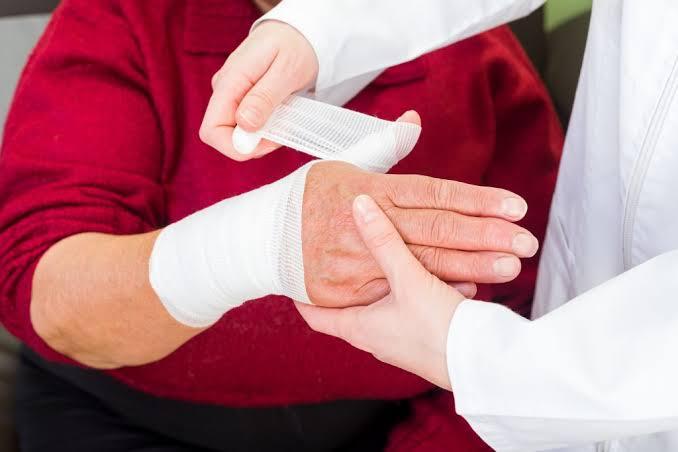
Choosing the right nursing provider is an important step in ensuring safe and effective wound care at home. Whether a patient is recovering from surgery, managing a chronic wound, or healing from an accidental injury, professional support can help protect the wound and identify potential complications. Wound Dressing at Home in Dubai offers patients a convenient way to receive wound care in familiar surroundings, while a Doctor at Home service may provide additional medical assessment when needed. Before selecting a provider, patients and families should ask clear questions about qualifications, hygiene practices, dressing materials, treatment plans, and follow-up arrangements. Understanding these details can help you make an informed decision and ensure that wound care meets the patient's individual needs.
What Qualifications and Experience Do You Have:
The first step is to confirm that the nursing provider has the appropriate qualifications, professional registration, and experience to manage the patient's wound safely. Different wounds require different levels of knowledge, particularly when they involve surgical incisions, pressure injuries, diabetic foot ulcers, or wounds that heal slowly. An experienced professional should understand wound assessment, infection prevention, dressing selection, and when additional medical attention is necessary. Ask questions such as:
-
Are your nurses appropriately licensed and qualified to provide wound care?
-
How much experience do you have with this type of wound?
-
Do you regularly manage surgical wounds, chronic ulcers, or pressure sores?
-
How do you assess whether a wound is healing properly?
-
What happens if you identify a complication during a visit?
The answers should be clear and specific rather than based on general assurances. A suitable provider should also recognise the limits of home nursing care and arrange appropriate medical evaluation when the patient's condition requires it.
How Will You Assess the Wound Before Treatment:
A thorough assessment helps determine which dressing approach is appropriate and whether the wound needs further investigation. Before beginning treatment, the nurse should review relevant medical information, examine the wound when appropriate, and consider factors such as its location, size, depth, drainage, surrounding skin, and healing progress. Medical conditions, medications, allergies, and previous wound treatments may also influence care decisions. Important questions include:
-
Will you assess the wound before recommending a dressing?
-
Which wound characteristics will you monitor?
-
Will you review the patient's medical history and current medications?
-
How will you document changes in the wound?
-
When will you recommend further medical assessment?
A careful assessment creates a baseline against which future progress can be compared. Patients should receive an understandable explanation of the findings and the proposed care plan, including any concerns that require attention from another healthcare professional.
Which Dressing Materials and Products Will You Use:
The right dressing depends on the wound's condition, the amount of drainage, the surrounding skin, and the treatment objectives. Some wounds require absorbent dressings, while others may benefit from non-adherent materials that minimise trauma during removal. Certain wounds need specialised products selected by a qualified clinician. Patients should not assume that the most expensive dressing is necessarily the best option. Ask your provider:
-
Which dressing materials are appropriate for this wound?
-
Why are these products recommended?
-
How often will the dressing need to be changed?
-
Are the materials suitable for sensitive skin or known allergies?
-
Are dressing supplies included in the service fee?
-
What should I do if the dressing becomes wet, loose, or soiled?
The provider should explain the purpose of the recommended materials and how to protect the dressing between visits. Avoid applying antiseptics, creams, herbal remedies, or other products unless they have been recommended for the specific wound.
What Infection Prevention Measures Do You Follow:
Infection prevention is essential whenever a wound is assessed, cleaned, or dressed. A reliable nursing provider should follow appropriate hand hygiene procedures, use suitable protective equipment, and handle dressing supplies carefully. The professional should also explain how used dressings are disposed of and how the patient or caregiver can maintain a clean environment between visits. Consider asking:
-
How do you clean your hands before and after wound care?
-
Do you use sterile supplies when clinically required?
-
How do you prevent contamination during dressing changes?
-
How should used dressings be disposed of safely?
-
Which signs of infection should prompt an urgent call?
Warning signs may include spreading redness, increasing warmth, swelling, worsening pain, unusual discharge, or an unpleasant smell. Fever or rapidly progressing symptoms may indicate a more serious problem. Patients should seek prompt medical assessment when concerning symptoms develop rather than waiting for the next scheduled dressing appointment.
How Will You Manage Pain and Patient Comfort:
Wound dressing can cause discomfort, particularly when the skin is sensitive or a dressing adheres to healing tissue. A professional provider should take the patient's pain seriously and explain how the procedure will be performed to minimise unnecessary irritation. Comfort measures must remain appropriate for the wound and should not compromise treatment. Questions worth asking include:
-
How will you minimise discomfort during dressing removal?
-
Can you use a suitable non-adherent dressing if appropriate?
-
What should the patient do if the procedure becomes painful?
-
How will you accommodate limited mobility or sensitive skin?
-
When should persistent pain be reported to a doctor?
Patients should communicate their pain levels before, during, and after treatment. Increasing or unexpected pain may indicate infection, pressure, tissue damage, or another complication, so it should not automatically be dismissed as a normal part of healing.
How Often Will You Visit and Monitor Progress:
The frequency of dressing changes depends on the wound's condition, the prescribed dressing, drainage levels, and the patient's overall health. Some patients need frequent professional visits, while others may require less frequent changes with appropriate monitoring. A provider should explain the proposed schedule and how it may change as healing progresses. Ask these practical questions:
-
How often will the nurse visit?
-
Who will decide when the dressing schedule should change?
-
Will you record wound measurements and observations?
-
How can I contact the provider between visits?
-
What happens if I need an urgent appointment?
-
When will progress be reviewed by a doctor if necessary?
A consistent monitoring plan helps identify delayed healing and emerging complications. Patients should also understand which care tasks they can safely perform themselves and which tasks require professional assistance.
What Are the Costs and Service Arrangements:
Understanding the financial and practical details in advance can prevent confusion during treatment. Home nursing services may charge separately for consultations, dressing materials, travel, specialised procedures, or additional visits. Patients should receive clear information about what is included and whether the service can accommodate their schedule and clinical needs. Before confirming an appointment, ask:
-
What is the total cost per visit?
-
Are dressings and other supplies included?
-
Are there additional charges for urgent or after-hours visits?
-
Can visits be arranged at suitable times?
-
What is the cancellation or rescheduling policy?
-
Will I receive an invoice or written service details?
A transparent provider should explain charges before treatment begins. Cost is important, but it should be considered alongside professional qualifications, safety standards, continuity of care, and the provider's ability to manage the patient's specific wound.
How Can Family Members Support Wound Care:
Family involvement can make home wound care easier, especially for patients with limited mobility or difficulty following several care instructions. However, caregivers need clear guidance to avoid accidentally contaminating the wound or disrupting the dressing. Ask the nurse which activities family members can safely assist with and whether practical demonstrations or written instructions are available. Useful questions include:
-
How can we protect the dressing between appointments?
-
Can you teach us to recognise changes in the wound?
-
Which tasks should only be performed by a trained professional?
-
How should supplies be stored?
-
What should we do if the dressing comes loose unexpectedly?
Caregivers should follow the treatment plan, maintain hand hygiene, and report concerns promptly. They should not remove attached tissue, change prescribed products, or attempt unfamiliar procedures without professional guidance.
Final Thoughts
Selecting a nursing provider for home wound care requires more than checking availability and price. Asking about qualifications, wound assessment, dressing materials, infection prevention, pain management, follow-up arrangements, and service costs helps patients make confident, informed decisions. Wound Dressing at Home in Dubai can be a practical option for individuals who need professional support in familiar surroundings, provided their condition is suitable for home treatment. A reliable provider should offer clear communication, personalised care, and appropriate escalation when medical concerns arise. By asking the right questions before treatment begins, patients and families can help create a safer wound care experience that supports healing, comfort, and peace of mind.

 English
 Arabic
 French
 Portuguese
 Deutsch
 Turkish
 Dutch
Dutch
 Italiano
 Russian
 Romaian
 Portuguese (Brazil)
 Greek
Greek
 Bengali