


HVLS Ceiling Fans: A Smart Solution for Air Circulation in Large Facilities
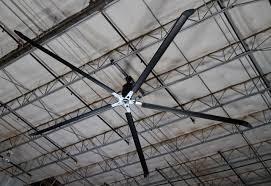
Maintaining proper air circulation is essential for warehouses, manufacturing plants, distribution centres, and commercial buildings. Large indoor spaces often experience uneven temperatures, stagnant air, and uncomfortable working conditions, especially when ceilings are high. hvls ceiling fan offer an effective solution by moving large volumes of air at relatively low speeds, helping businesses improve indoor comfort and manage airflow across extensive areas.
High-volume, low-speed (HVLS) ceiling fans are designed for large spaces where conventional fans may not provide sufficient coverage. Their combination of wide airflow distribution and efficient operation makes them a practical choice for many industrial and commercial applications.
What Are HVLS Ceiling Fans?
HVLS ceiling fans are large-diameter fans designed to circulate substantial amounts of air at low rotational speeds. Unlike smaller conventional fans that concentrate airflow in limited areas, HVLS fans distribute air across a wide floor area.
These fans are commonly used in warehouses, factories, agricultural buildings, gymnasiums, and distribution centres. Their large blades create a broad airflow pattern that helps reduce stagnant air and improve circulation throughout open indoor environments.
Key Benefits of HVLS Ceiling Fans
1. Improved Air Circulation
Large buildings can develop areas with limited airflow because of high ceilings, storage racks, machinery, and building layouts. HVLS ceiling fans help move air throughout these spaces, supporting more consistent circulation across workstations and storage areas.
Improved air movement can also help distribute conditioned air more evenly when the fans are used alongside a properly designed HVAC system.
2. Enhanced Workplace Comfort
Warm indoor environments can make warehouse and manufacturing work more uncomfortable. HVLS ceiling fans create a gentle, widespread airflow that increases evaporative cooling from the skin, helping employees feel cooler.
This can be particularly useful in facilities where workers perform physical tasks for extended periods. However, fans do not lower the actual air temperature, and their effectiveness depends on indoor conditions.
3. Energy Efficiency
HVLS ceiling fans can support energy management by improving air movement across large spaces without relying exclusively on additional air-conditioning capacity.
In suitable facilities, improved circulation may allow cooling systems to operate at adjusted temperature settings while maintaining acceptable comfort levels. Some HVLS fans also offer reverse operation, which can help redistribute warm air accumulated near the ceiling during colder months.
Actual energy savings depend on fan specifications, building design, climate, and operating schedules.
4. Wide Coverage for Large Spaces
One of the main advantages of HVLS ceiling fans is their ability to circulate air across expansive areas. Their large diameter makes them suitable for facilities with high ceilings and open floor plans.
Correct fan sizing, placement, and spacing are important for achieving effective airflow while avoiding obstructions from lighting, sprinklers, storage systems, and machinery.
Applications of HVLS Ceiling Fans
HVLS ceiling fans are suitable for several industries because of their broad airflow coverage.
Warehouses and distribution centres: They help improve air movement throughout storage, packaging, and shipping areas.
Manufacturing facilities: They support workplace comfort by circulating air across production floors and workstations.
Agricultural buildings: Appropriately selected fans can support air movement in barns and other agricultural environments, provided ventilation and animal welfare requirements are met.
Commercial buildings and gyms: Large retail spaces, sports facilities, and fitness centres can benefit from improved air circulation and occupant comfort.
Selecting the appropriate fan depends on the facility's size, operating conditions, and ventilation requirements.
How to Choose the Right HVLS Ceiling Fan
Choosing the right HVLS ceiling fan requires evaluating several important factors. Start by assessing your building's dimensions, ceiling height, layout, and airflow requirements. These details help determine the appropriate fan diameter, capacity, and installation position.
Energy consumption should also be considered, particularly in facilities where fans operate for extended periods. Compare motor efficiency, speed controls, noise levels, maintenance requirements, and overall operating costs.
Durability is another important consideration. Facilities exposed to dust, moisture, or demanding industrial conditions may require equipment with specialised protective features. Consulting an experienced HVLS fan supplier can help you identify a suitable model for your application.
Installation and Maintenance Requirements
Proper installation is essential for safe and reliable operation. HVLS ceiling fans require suitable structural support, adequate blade clearance, and careful coordination with electrical systems, lighting, sprinklers, and other overhead equipment.
Installation should follow the manufacturer's specifications and applicable safety requirements.
Routine maintenance helps maintain performance and reduce unexpected downtime. Inspections should include fan blades, mounting hardware, motors, electrical connections, and control systems. Following the manufacturer's recommended maintenance schedule can help extend equipment service life.
Choosing a Reliable HVLS Fan Supplier
Working with a reliable supplier can simplify the process of selecting and installing an HVLS ceiling fan. Look for suppliers that provide clear product specifications, technical guidance, installation support, warranty coverage, and access to replacement parts.
Compare the total cost of ownership rather than focusing only on the initial purchase price. Energy consumption, installation expenses, maintenance requirements, and long-term reliability all influence the overall value of the investment.
Conclusion
HVLS ceiling fans provide an effective way to improve air circulation and workplace comfort in warehouses, manufacturing plants, agricultural buildings, and other large indoor environments. Their ability to move substantial volumes of air at low speeds makes them a practical option for facilities that require broad airflow coverage.
By selecting the right fan size, prioritising energy efficiency, and ensuring proper installation and maintenance, businesses can develop an effective air circulation strategy that supports comfortable working conditions and efficient facility management.

 English
 Arabic
 Spanish
 Portuguese
 Deutsch
 Turkish
 Dutch
Dutch
 Italiano
 Russian
 Romaian
 Portuguese (Brazil)
 Greek
Greek
 Bengali