


How to Maintain, Restore, and Repair a Deck in Parrish, FL
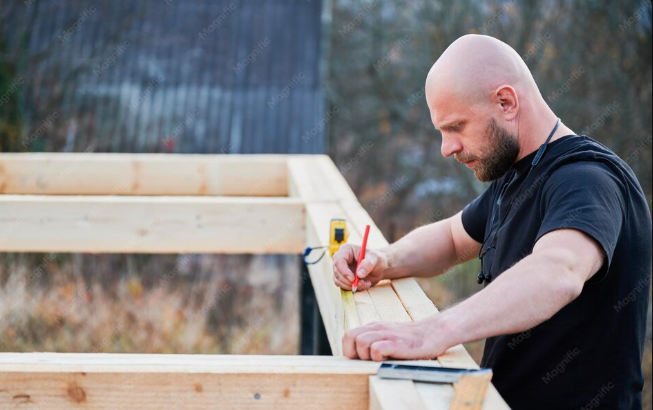
A well-maintained deck provides a comfortable outdoor space for relaxing, entertaining guests, and enjoying Florida's warm weather. However, constant sun exposure, humidity, heavy rain, and seasonal storms can gradually affect the condition of outdoor decking. Boards may become loose, railings can weaken, and moisture can contribute to wood deterioration. Understanding how to identify these problems early helps homeowners maintain a safer and more attractive outdoor area.
In Parrish, Florida, outdoor decks experience environmental conditions that make regular inspections particularly important. Whether a deck is attached to a house or built as a separate backyard feature, routine care can help extend its useful life. Knowing when to perform basic maintenance, replace damaged boards, or seek professional assistance can also help homeowners avoid more extensive repairs.
Why Do Decks Develop Problems in Florida?
Florida's climate creates several challenges for outdoor structures. Even when a deck is built with durable materials, continuous exposure to the elements can gradually affect its appearance and structural condition.
Moisture and Humidity
High humidity and frequent rainfall can allow moisture to collect on deck surfaces, between boards, and around structural connections. Wood that remains damp for extended periods may develop rot, swelling, discoloration, or fungal growth. Poor drainage and limited airflow underneath a deck can make these issues worse.
Composite decking is often more resistant to certain moisture-related problems than untreated wood, but it still requires proper cleaning and inspection. Dirt, algae, and standing water can affect its appearance and create slippery surfaces.
Sunlight and Heat
Strong sunlight can fade stains, break down protective coatings, and cause some decking materials to become discolored. Wood may dry out, crack, or develop splinters over time. Repeated temperature changes can also contribute to expansion and contraction, placing stress on fasteners and joints.
Homeowners should check whether the deck's finish is wearing away and whether exposed surfaces need cleaning, sealing, or refinishing.
Storms and Heavy Rain
Strong winds and severe weather can loosen railings, damage stairs, move outdoor furniture, and place additional stress on deck connections. Falling branches or flying debris may also crack or break boards.
After a significant storm, homeowners should inspect accessible areas for visible damage. If a deck appears unstable or has suffered major structural damage, avoid using it until a qualified professional has evaluated its condition.
What Are the Signs That a Deck Needs Repair?
Recognizing early warning signs can help prevent minor defects from becoming larger and more expensive problems. A visual inspection should cover the walking surface, stairs, railings, support posts, and accessible areas underneath the structure.
Look for these common issues:
-
Cracked or splintered boards: Damaged boards can create sharp edges and uncomfortable walking surfaces.
-
Loose deck boards: Movement underfoot may indicate loose fasteners, deteriorated material, or an installation problem.
-
Soft or rotting wood: Wood that feels unusually soft or crumbles easily may have suffered moisture damage.
-
Unstable railings: Railings that move when lightly tested may have loose fasteners or weakened connections.
-
Uneven stairs: Shifting steps, damaged treads, or loose handrails can increase the risk of falls.
-
Rusty or corroded hardware: Corrosion around screws, bolts, brackets, and connectors may compromise the strength of a connection.
-
Sagging or leaning sections: Changes in the deck's shape can indicate a problem with its supports or foundation.
Some issues are visible on the surface, while others develop underneath the deck. A clean-looking deck is not necessarily structurally sound. When warning signs involve supports, beams, joists, or connections to the house, professional assessment is especially important.
How Does Professional Deck Repair Work?
A repair project should begin with an assessment of the deck's current condition. Rather than replacing visible damage immediately, the person carrying out the work should determine why the problem occurred and whether other parts of the structure are affected.
1. Inspect the Entire Structure
The inspection should identify damaged boards, loose fasteners, deteriorated wood, unstable railings, and signs of water accumulation. Accessible framing, posts, beams, and joists should also be checked for movement, rot, and corrosion.
The connection between an attached deck and the house deserves particular attention because improper or deteriorated connections can create serious safety concerns.
2. Identify the Cause of the Damage
A broken board may be the result of age, moisture exposure, inadequate support, or a loose fastener. Simply replacing the board without addressing the underlying issue could allow the same problem to return.
For example, recurring deterioration near a downspout may indicate that rainwater is repeatedly soaking the same area. Correcting the drainage issue can be just as important as repairing the damaged material.
3. Choose the Appropriate Repair
The repair method depends on the type and extent of damage. Minor problems may require tightening or replacing compatible fasteners, while damaged boards may need to be removed and replaced.
More serious conditions can require repairs to joists, beams, posts, stairs, or structural connections. These projects may involve additional materials, specialized tools, and compliance with applicable building requirements.
4. Check the Completed Work
After repairs, the affected areas should be checked for proper alignment, secure connections, suitable clearances, and a stable walking surface. The surrounding structure should also be inspected to confirm that the original problem was not left unresolved.
When Is Deck Board Replacement Necessary?
Deck board replacement is often appropriate when individual boards are cracked, badly splintered, warped, or damaged by rot. Replacing the affected boards can restore the usability and appearance of a deck without requiring the entire surface to be rebuilt.
However, replacement materials should be compatible with the existing structure.
Consider the following factors before selecting new boards:
-
Material type: Pressure-treated wood, cedar, hardwood, and composite decking have different installation and maintenance requirements.
-
Board dimensions: Replacement boards should fit the existing framing and meet the manufacturer's installation recommendations.
-
Fastener compatibility: Screws and other connectors should be appropriate for the decking material and outdoor exposure.
-
Color and finish: New boards may look different from older surfaces, especially when the existing deck has faded over time.
-
Underlying support: The joists beneath damaged boards should be checked before new material is installed.
Replacing one or two boards may be sufficient when the surrounding structure remains sound. If damage appears across a large area, it is worth determining whether widespread moisture exposure, aging materials, or inadequate drainage has affected the rest of the deck.
What Is Deck Restoration, and When Is It Useful?
Deck restoration focuses on improving the condition and appearance of an existing deck. Depending on the structure's condition, restoration may involve cleaning, sanding, surface preparation, staining, sealing, or replacing selected components.
Restoration is generally most effective when the deck remains structurally sound but shows signs of ordinary wear.
For example, an older wooden deck may have faded color, a worn protective coating, and minor surface splinters. After the surface is properly prepared, a suitable exterior stain or sealer may help improve its appearance and protect the wood from moisture.
Restoration cannot solve every problem. Rotten supports, severely weakened framing, and unsafe railings require appropriate repairs rather than cosmetic treatment. Applying a new finish over deteriorated wood can hide visible warning signs without correcting the underlying damage.
Before starting a restoration project, determine whether the deck needs structural work first. Any cleaning products, coatings, and finishing materials should be selected according to the decking material and the manufacturer's instructions.
Why Is Regular Deck Maintenance Important?
Deck maintenance helps homeowners identify developing problems before they require more extensive work. In Parrish, where moisture, heat, and storms can affect outdoor structures, a consistent maintenance routine is particularly useful.
Seasonal Inspection
Inspect the deck periodically, especially before periods of heavy outdoor use and after severe weather. Check boards, railings, stairs, fasteners, and visible support components.
Pay attention to changes that develop over time, such as widening gaps, recurring puddles, loose connections, or new cracks.
Regular Cleaning
Remove leaves, dirt, and other debris that collect between boards and around structural components. Clean the surface using a method appropriate for the decking material.
Avoid excessive pressure when washing wood because aggressive cleaning can damage the surface fibers. Follow the manufacturer's recommendations for composite materials and any applied coatings.
Protecting Wooden Surfaces
Inspect stained or sealed wood for peeling, fading, or areas where the protective finish has worn away. Reapply suitable products when necessary, following the product instructions and preparing the surface properly.
Not every deck needs the same treatment schedule. Exposure, material type, drainage, and product specifications all influence how frequently maintenance is required.
Managing Drainage
Water should drain away from the deck rather than collect around posts, framing, or the house. Keep nearby gutters and downspouts clear, and remove debris that blocks water movement.
Good airflow beneath an elevated deck can also help exposed wood dry after rainfall. Persistent dampness should be investigated rather than treated only as a cleaning issue.
How Much Do Deck Repairs Depend on the Type of Damage?
The cost and complexity of a repair depend on more than the size of the damaged area. Material availability, access to the structure, labor requirements, and the condition of the framing can all affect the project.
Minor repairs may involve replacing a few boards or securing loose components. Larger projects may require removing sections of decking to reach damaged joists or other supports.
When comparing estimates, homeowners should ask what work is included. A useful estimate should explain the identified problems, recommended repairs, proposed materials, labor, and any additional work that may be necessary if hidden damage is discovered.
It is also helpful to ask whether surface restoration is included or priced separately. Cleaning and refinishing a deck are different tasks from replacing structural components, so estimates should distinguish between cosmetic improvements and repairs needed for safe use.
Homeowners researching Deck Repair Services In Parrish FL should look for providers who explain the source of the damage, describe the proposed solution, and identify any concerns that require further inspection. A clear assessment makes it easier to understand what work is necessary and which improvements can reasonably wait.
Should You Repair a Deck Yourself or Hire a Professional?
Some maintenance tasks are suitable for homeowners, while structural repairs often require professional experience.
Homeowners can generally handle routine debris removal, basic cleaning, and visual inspections when the deck is safe to access. Minor maintenance may also be manageable when the correct materials and instructions are available.
Professional assistance is advisable when a deck has:
-
Rotting or damaged support posts.
-
Sagging beams or joists.
-
Railings or stairs that feel unstable.
-
Significant movement or separation at structural connections.
-
Extensive damage following a storm.
-
Persistent deterioration that returns after previous repairs.
Structural defects can be difficult to assess from the surface. A qualified professional can evaluate the affected components, recommend suitable repairs, and determine whether permits or additional inspections are required.
If a deck feels unstable, avoid testing it by placing additional weight on the affected area. Keep people away from the unsafe section until it has been evaluated.
How to Choose a Deck Repair Professional in Parrish, FL
Selecting a suitable contractor involves more than comparing the lowest price. Homeowners should consider experience, communication, repair methods, and familiarity with local requirements.
Before hiring someone, consider asking these questions:
-
What caused the damage? The contractor should explain the likely source of the problem and identify any uncertainty that requires further inspection.
-
Will you inspect the framing? This is particularly important when damaged boards may conceal problems with joists, beams, posts, or connectors.
-
What materials will you use? Ask whether the proposed materials are suitable for the existing deck and local outdoor conditions.
-
Are you properly licensed and insured when required? Verify applicable Florida and local requirements for the specific work being performed.
-
Will permits be needed? Requirements can depend on the repair scope and the local authority having jurisdiction.
-
What does the estimate include? Clarify labor, materials, disposal, surface finishing, and potential additional costs.
Written estimates make it easier to compare contractors on an equivalent basis. Homeowners should also ask how unexpected damage will be handled if it becomes visible after boards or other components are removed.
Frequently Asked Questions
1. How often should a deck be inspected in Parrish, FL?
Inspect your deck at least seasonally and after significant storms. Check more frequently if the structure is older, exposed to persistent moisture, or showing signs of deterioration. Regular inspections help identify loose boards, damaged railings, drainage problems, and other concerns before they become more serious.
2. Can damaged deck boards be replaced without rebuilding the entire deck?
Yes. Individual boards can often be replaced when the surrounding decking and supporting frame remain in good condition. Before installing replacements, inspect the underlying joists and fasteners to determine whether the damage is limited to the surface or reflects a deeper structural problem.
3. What is the difference between deck restoration and deck repair?
Deck repair addresses specific defects, such as broken boards, loose railings, or damaged structural components. Deck restoration generally focuses on renewing the appearance and condition of an existing structure through cleaning, surface preparation, staining, sealing, and other suitable improvements. Some projects require both.
4. How can I tell if my deck has structural damage?
Warning signs include sagging sections, leaning posts, loose railings, movement in stairs, deteriorated support components, and separation around structural connections. These problems should be evaluated by a qualified professional. Avoid using areas that appear unstable until the cause has been identified and addressed.
5. Does a deck repair project in Parrish require a permit?
Permit requirements depend on the scope of work and the applicable local building regulations. Cosmetic maintenance may be treated differently from repairs involving structural components or changes to the deck. Contact the relevant building department or ask a qualified contractor to verify the requirements before work begins.
6. How can homeowners help prevent future deck damage?
Keep the deck clean, remove debris, maintain proper drainage, and inspect fasteners, railings, boards, and accessible framing regularly. Apply appropriate protective finishes to wood when needed. Address moisture problems promptly, and arrange professional inspections if you notice recurring damage or signs of structural deterioration.
Conclusion
Maintaining a deck requires attention to both its appearance and its structural condition. Regular cleaning, suitable protective treatments, proper drainage, and timely repairs can help homeowners preserve their outdoor spaces and reduce avoidable deterioration.
For properties in Parrish, Florida, the most effective approach is to identify the cause of a problem before choosing a repair method. Replacing damaged boards, restoring worn surfaces, and addressing structural defects are different tasks, and each requires an appropriate solution. With consistent maintenance and qualified help when needed, homeowners can keep their decks more functional, attractive, and dependable for years to come.

 English
 Arabic
 French
 Spanish
 Portuguese
 Deutsch
 Turkish
 Dutch
Dutch
 Italiano
 Russian
 Portuguese (Brazil)
 Greek
Greek
 Bengali