


How to Plan an AI Video Ad Campaign From Idea to Launch

Creating a video advertisement involves more than putting visuals together. Businesses need to understand their audience, communicate a clear benefit, choose the right format, and decide how to measure success. AI-assisted tools can support parts of this process, but a well-planned campaign still begins with a strong marketing objective.
For small businesses and growing brands, understanding how to organise an AI-assisted video campaign can make creative production more focused and easier to evaluate.
1. Define the Goal Before Creating the Video
The first step is deciding what the advertisement should achieve. A campaign designed to introduce a new product will have different priorities from one intended to generate enquiries or encourage purchases.
Choose one primary objective before developing the creative concept. This helps determine the message, video length, call to action, and performance metrics.
For example, a local clothing brand launching a new collection might want viewers to visit its online store. Its advertisement should showcase the collection, communicate a clear reason to explore it, and direct viewers to the relevant product page.
2. Understand the Audience and Their Needs
An advertisement becomes more relevant when it addresses a problem, interest, or motivation that matters to its intended audience.
Consider what customers want to know before making a decision. Are they comparing prices, looking for convenience, evaluating product quality, or trying to understand how a service works?
These insights can shape the video's storyline. A software company might demonstrate how its product simplifies a task, while a restaurant could highlight its menu, atmosphere, or ordering options.
AI-assisted brainstorming can help explore different messaging approaches, but the final concept should be grounded in genuine customer needs rather than assumptions generated by a tool.
3. Write a Simple Video Script
A practical advertisement usually needs three core elements: an opening that earns attention, a central message that communicates value, and a call to action that explains what viewers should do next.
The opening could introduce a common customer challenge or immediately show the product in use. The middle section should focus on the most relevant benefit rather than trying to explain everything about the business.
AI tools can assist with generating script ideas, rewriting headlines, or exploring different tones. Review every suggestion to ensure that the language sounds natural and the claims are accurate.
A useful script should be concise enough for the intended format while giving viewers sufficient information to understand the offer.
4. Select the Right Visual Format
The format should reflect where the advertisement will appear and how people are likely to watch it.
Vertical videos can suit mobile-first social feeds, while landscape formats may be more appropriate for certain websites or video placements. Square formats can also be useful in some social environments.
Think about how the main subject will appear on a small screen. Keep important text readable, avoid overcrowding the frame, and make sure the product or service remains easy to recognise.
AI-assisted video workflows may help with concept development, scene planning, editing, and adapting content to different formats. Each exported version should still be checked for cropping, captions, timing, and visual consistency.
5. Explore Creative Variations
A single advertising concept may not resonate equally with every audience. Testing alternative approaches can help a marketing team learn which message is more effective.
For example, a fitness brand could test two versions of a campaign. One might focus on the convenience of short workouts, while the other highlights the variety of available classes.
Keep the test focused. If the headline, visuals, audience, and offer all change simultaneously, it becomes difficult to determine which factor influenced the result.
AI-assisted tools can help generate variations for review, but the business should decide which versions are suitable to test and ensure that each remains consistent with its brand.
6. Review the Video Before Launch
Before publishing an advertisement, check the complete video from beginning to end.
Review the following:
- Product descriptions and promotional claims are accurate.
- Visuals, captions, and voiceovers communicate the intended message.
- Music, footage, and other creative assets are appropriately licensed.
- Branding, spelling, and text placement are consistent.
- The call to action leads to the correct destination.
- The video follows the advertising platform's specifications and policies.
AI-generated visuals and audio can contain unexpected errors, so human review remains an important part of the workflow. Businesses should also consider disclosure requirements when synthetic content could mislead viewers.
7. Measure Results and Improve the Next Campaign
After launch, evaluate performance against the original campaign objective.
A brand-awareness campaign may focus on reach, video views, or completion rates. A lead-generation campaign may instead prioritise enquiries, conversion rates, and cost per lead.
Look beyond individual metrics and consider whether the advertisement is attracting the right audience and supporting the intended business outcome.
Use the findings to plan the next experiment. If viewers leave early, the opening may need improvement. If people click but do not convert, the landing page, offer, or audience targeting may require closer examination.
The purpose of measurement is not simply to identify a winning video. It is to understand what the results reveal about the audience and the overall campaign.
Where AI Video Ads Fit Into the Process
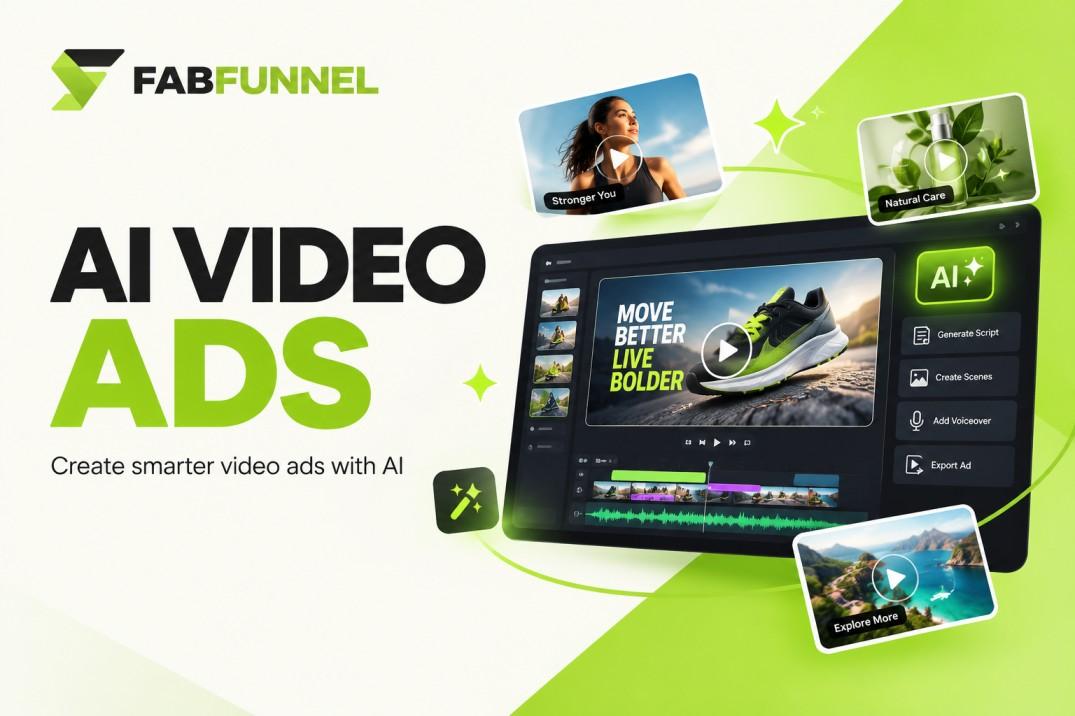
AI-assisted production can support several stages of advertising, from brainstorming and script development to editing and creative experimentation. The most useful applications depend on the team's requirements, budget, existing resources, and campaign objectives.
Businesses exploring ai video ads can learn more about AI-powered video advertising and consider how it could fit into their content creation workflow.
AI should be treated as a tool within the broader marketing process, not as a substitute for strategy, original ideas, or quality control.
Conclusion
Planning an effective video advertisement starts with understanding the audience and defining a clear objective. From there, businesses can develop a focused script, select an appropriate format, explore creative variations, and measure campaign performance.
AI-assisted tools can help with parts of this process, but the best results depend on thoughtful decisions at every stage. By combining suitable technology with clear messaging and careful evaluation, businesses can build a more structured approach to video advertising.

 English
 Arabic
 French
 Portuguese
 Deutsch
 Turkish
 Dutch
Dutch
 Italiano
 Russian
 Romaian
 Portuguese (Brazil)
 Greek
Greek
 Bengali