


How Should Vape E-Liquids Be Stored Safely?
https://vapebarwholesale.co.uk/products/al-fakher-crown-bar-30k-hypermax-refill-pod-box-5
Vape e-liquids should be stored in a cool, dark place away from sunlight, radiators and other heat sources, with the bottle or pod tightly sealed and kept upright, out of reach of children and pets. Correct storage helps protect flavour and consistency, reduces leaks and lowers the risk of accidents. For UK wholesale buyers and retailers, good storage also matters in the warehouse, on the shop floor and when advising customers.
The Basic Rules of Safe E-Liquid Storage
Most storage advice comes down to avoiding the things that degrade liquid or create hazards. Heat, light and air can all change how an e-liquid tastes and behaves over time, while unsecured bottles create a risk of spills and accidental contact. Following a few consistent habits protects both the product and the people handling it. Retailers who stock a range of E-liquids can build these habits into daily routines so they apply to every bottle, whatever the brand.
The core rules are:
-
Keep liquids in a cool, dry place away from direct sunlight
-
Keep bottles tightly closed when not in use
-
Store them upright so caps and seals are not under pressure
-
Keep them away from radiators, windowsills and hot vehicles
-
Keep them out of reach of children and pets
Why Heat and Sunlight Cause Problems
Heat speeds up chemical changes in e-liquid. Liquid left near a radiator, on a sunny shelf or in a warm car can darken, taste different or lose its intended flavour balance. Direct sunlight has a similar effect, because light can break down certain flavour compounds. Heat can also cause pressure to build in sealed containers, which makes leaking more likely when the cap is opened.
Temperature Swings
Steady temperature matters as much as a low one. Moving stock repeatedly between a warm shop floor and a cold storeroom can stress seals and encourage leaks. Choosing one stable, cool spot for stock and keeping delivery boxes away from external doors in cold weather helps avoid this.
Storage in Vehicles and During Delivery
Wholesale stock often travels, and a parked van can become very hot or very cold. Where possible, avoid leaving cartons in vehicles for long periods, and check packaging on arrival for signs of leaks or damage. Any damaged bottle should be set aside rather than sold.
Keeping Bottles Sealed and Upright
Air exposure can dull flavour over time, so caps should be closed firmly after each use. Upright storage keeps liquid away from the cap and reduces the chance of seepage, especially with thin-necked bottles. Opened bottles are best used within a reasonable period and checked for any change in smell, colour or thickness before use. If a liquid looks or smells unusual, it is safer not to use or sell it.
Original Packaging and Labelling
Liquids should stay in their original, labelled containers. Packaging carries nicotine strength, ingredients and warnings that customers and staff need to see. Decanting into unlabelled bottles creates confusion and safety risks, and it should be avoided in a retail setting.
Child and Pet Safety
Nicotine-containing liquids can be harmful if swallowed or if they come into contact with skin, and children and animals are particularly at risk. Bottles should be stored high up or in a locked cabinet, never left on a counter or in a bag within easy reach. UK products are required to carry child-resistant and tamper-evident features, and retailers should remind customers that these are a safeguard rather than a substitute for secure storage.
If a spill occurs, wipe it up promptly and wash any contacted skin with soap and water. Anyone who swallows e-liquid or feels unwell after contact should seek medical advice straight away, and retailers should keep that guidance visible in staff areas.
Storing Pods and Prefilled Products
Pods hold e-liquid too, so the same principles apply. They should be kept cool, away from sunlight and stored upright where possible so liquid stays where it is meant to be. Prefilled formats such as Prefilled Pod Kits are convenient because there is no pouring, but leaks around contacts can still occur if pods are stored warm or knocked around.
Nicotine Salt and Pod Liquids
Many pod products use nicotine salt liquids, which follow the same storage rules as other e-liquids. Customers choosing between strengths can compare Nico pods, and should always read the strength printed on the packaging. Avoid storing mixed strengths together without clear labels, because it is easy to pick up the wrong one.
Storing Devices Alongside Liquids
Devices and liquids are often kept together, but a few precautions help. Batteries should not be stored loose with metal objects, and they should be kept away from heat just like liquid. Customers using a Rechargeable Vape should charge it on a hard surface with the correct cable and avoid leaving it unattended for long periods.
Keeping devices and liquids in separate, labelled areas also helps in a shop, since a leaking bottle can damage packaging and nearby stock. Customers who refill their own tanks, such as those using Vape kits, should fill over a stable surface and wipe away drips before storing the device.
Storage in a Wholesale or Retail Setting
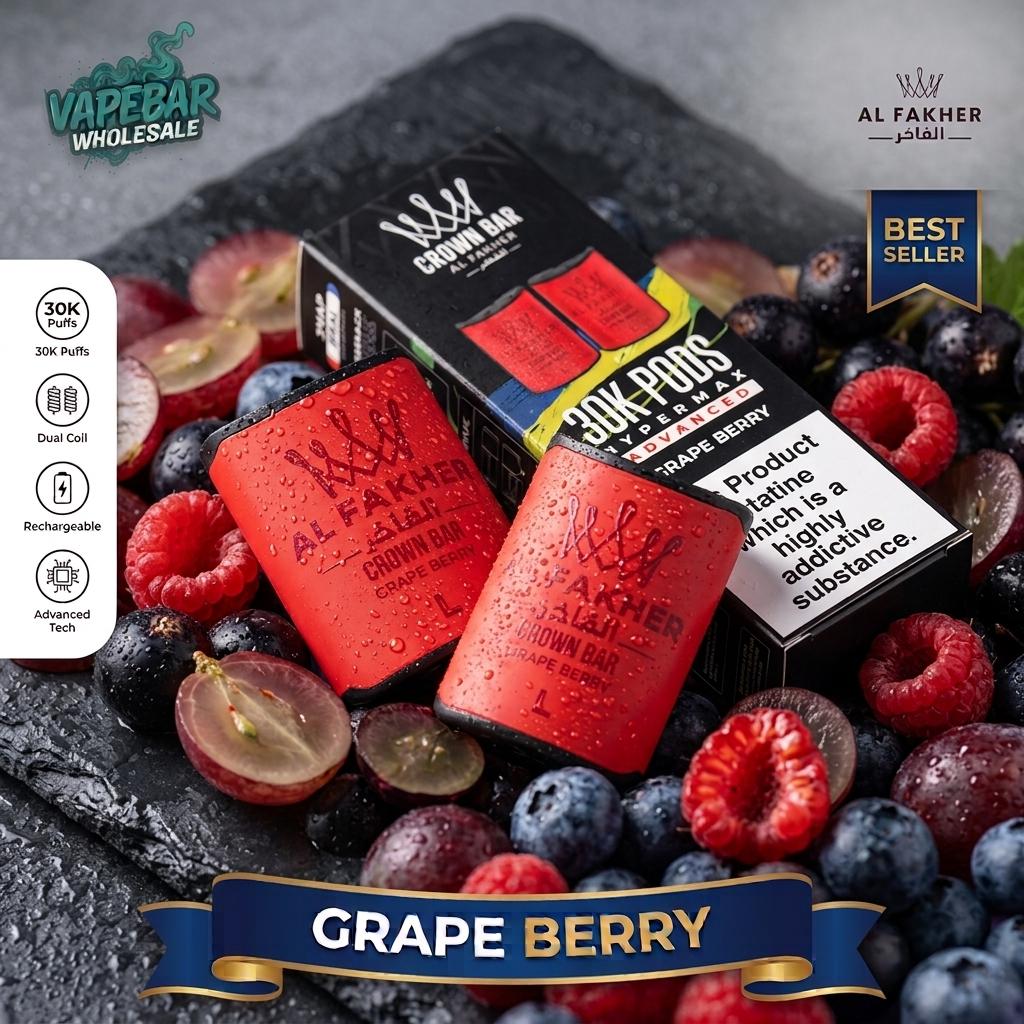
Business storage needs a little more structure than home storage. Stock should be kept in a cool, dry room, off the floor and away from external walls, with fresh deliveries placed behind existing stock so older items are sold first. A simple rotation system reduces the chance of liquid sitting too long. For pod products, storing matching devices and pods together makes picking easier. One example is the Al Fakher Crown Bar 30K Hypermax Pods Box of 5, a box of five refill pods listed by Vapebar Wholesale, and any pod product should be stored according to the instructions on its packaging.
Useful habits for shop and warehouse teams include:
-
Rotate stock so older batches go out first
-
Check deliveries for leaks, damaged seals or crushed boxes
-
Keep shop display units away from windows and heaters
-
Record batch details so products can be traced if needed
-
Remove and dispose of damaged items safely
Display Stock and Window Displays
Shop windows and counters near sunlight are risky places for e-liquid. Display bottles can heat up over the day, so it is better to show sample packaging or empty display units and keep real stock in a cooler area. This keeps products in good condition and avoids selling liquid that has been exposed to long periods of light.
Shelf Life and Checking Stock
E-liquids do not last forever, and many carry a best-before or batch date on the packaging. Retailers should check these dates regularly and avoid selling anything that is out of date or looks altered. Changes in colour, smell or thickness can indicate the liquid has aged or been stored badly. Where a customer reports a problem, it is useful to note the batch number so the issue can be raised with the supplier.
Advice on how long a particular product keeps should come from the manufacturer or supplier rather than general assumptions. If in doubt, ask the supplier for guidance and keep their response on file.
Compliance and Responsible Selling
E-liquids and vape products sold in the UK should be TPD compliant and MHRA notified for UK sale where relevant, and buyers should ask suppliers for confirmation and keep records. Vapes cannot be sold to anyone under 18, so age checks must be consistent in store and online. Vapebar Wholesale and other trade suppliers can answer product questions, but the retailer remains responsible for what is sold and how it is stored.
Rules and best practice develop over time, so staying informed is part of running a compliant business. The Blog is one place to follow trade updates. Keep advice factual, avoid describing any product as risk-free, and direct customers who want to stop nicotine altogether to a GP, pharmacist or local stop smoking service.
Frequently Asked Questions
Where is the best place to store vape e-liquid?
A cool, dark, dry place away from direct sunlight, radiators and other heat sources is best. Keep bottles tightly closed, stored upright and out of reach of children and pets. A cupboard or drawer that stays at a steady temperature usually works well.
Can e-liquid be stored in the fridge or freezer?
Some people keep spare bottles in a cool place, but extreme cold is not necessary and can make liquid thicker or cause condensation. Always follow the storage guidance on the packaging, and let any chilled liquid return to room temperature before use.
How can I tell if e-liquid has gone off?
Signs include a change in colour, an unusual smell, a different thickness or a flat or harsh taste. Check the best-before date on the packaging as well. If a liquid seems wrong, it is safer not to use or sell it.
Is it safe to leave e-liquid in a car?
It is best to avoid it. Cars can become very hot in sunlight and very cold in winter, and both extremes can affect the liquid and the seals. If stock must travel, keep it out of direct sun and remove it from the vehicle as soon as possible.
What should UK retailers check when storing and stocking e-liquids?
Retailers should confirm that products are TPD compliant and MHRA notified for UK sale where relevant, check packaging and batch details on delivery, rotate stock, and keep liquids away from heat and light. Secure storage and consistent age verification on every sale are also essential.

 English
 Arabic
 Spanish
 Portuguese
 Deutsch
 Turkish
 Dutch
Dutch
 Italiano
 Russian
 Romaian
 Portuguese (Brazil)
 Greek
Greek
 Bengali