


Why Electric Two-Wheelers Are Accelerating Urban Mobility
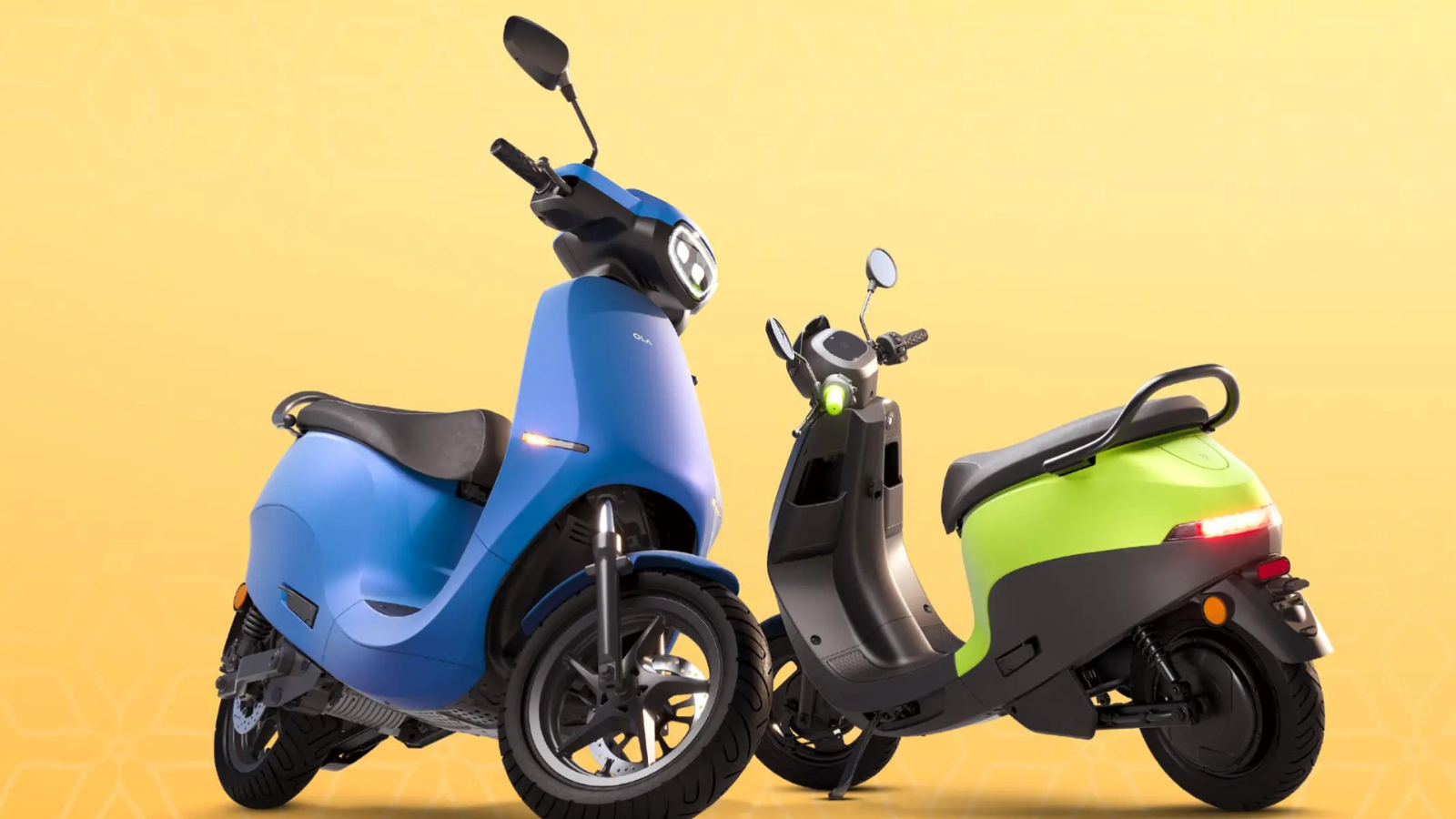
Electric two-wheelers are rapidly becoming an integral part of modern transportation as cities seek cleaner, quieter, and more efficient mobility solutions. Rising urbanization, increasing environmental awareness, and continuous advancements in battery technology are encouraging consumers to shift from conventional fuel-powered motorcycles and scooters to electric alternatives. Governments and manufacturers alike are contributing to this transition through innovation, supportive policies, and infrastructure development.
The pace of innovation within the electric mobility ecosystem continues to reshape consumer expectations. According to insights published by Markntel Advisor, the industry is witnessing increasing investments in sustainable transportation technologies and smart mobility solutions. As battery efficiency improves and charging networks expand, the broader electric mobility ecosystem is expected to create new opportunities for manufacturers, technology providers, and urban planners.
Modern electric two-wheelers are designed to offer convenience alongside sustainability. Manufacturers are introducing connected features such as smartphone integration, navigation assistance, over-the-air software updates, and intelligent battery management systems. These innovations enhance the ownership experience while making electric vehicles increasingly attractive for both daily commuters and commercial fleet operators.
Growing Demand for Sustainable Urban Transportation
Rapid population growth in metropolitan areas has intensified traffic congestion, fuel consumption, and air pollution. Electric two-wheelers provide an effective solution by offering zero tailpipe emissions, lower operating costs, and quieter operation. Many cities are encouraging the adoption of electric mobility through charging infrastructure development and policies aimed at reducing dependence on conventional fuels.
Transportation remains one of the largest contributors to greenhouse gas emissions worldwide, making vehicle electrification an important component of climate strategies. Organizations such as the International Energy Agency (IEA) continue to highlight the growing role of electric mobility in supporting global decarbonization efforts and improving energy efficiency across transportation systems.
Battery Technology Continues to Improve
Battery innovation remains one of the most significant factors influencing the adoption of electric two-wheelers. Advances in lithium-ion battery technology have improved vehicle range, charging speed, safety, and overall performance. Continuous research into battery chemistry, thermal management, and energy density is helping manufacturers deliver products that better meet consumer expectations.
Battery management systems have also become increasingly sophisticated. Intelligent software monitors battery health, optimizes charging cycles, and enhances operational efficiency, contributing to longer battery life and improved reliability for everyday riders.
The U.S. Department of Energy notes that ongoing battery research and innovation continue to improve electric vehicle performance while supporting broader transportation electrification initiatives.
Connected Features Are Enhancing Rider Experience
Electric two-wheelers are evolving beyond simple transportation devices into connected mobility platforms. Digital dashboards, GPS navigation, mobile application integration, remote diagnostics, anti-theft systems, and cloud-based software updates are becoming increasingly common across new vehicle models.
Artificial intelligence and data analytics further improve vehicle efficiency by optimizing power delivery, predicting maintenance requirements, and delivering personalized riding insights. These smart technologies enhance convenience while helping manufacturers continuously improve vehicle performance through software enhancements.
Commercial Applications Are Expanding
Beyond personal transportation, electric two-wheelers are gaining popularity among delivery companies, logistics providers, and shared mobility operators. Lower maintenance requirements, reduced operating expenses, and simplified fleet management make electric vehicles particularly attractive for businesses managing high daily vehicle utilization.
As e-commerce and last-mile delivery services continue expanding, commercial adoption is expected to remain an important driver supporting the wider transition toward sustainable urban transportation solutions.
Infrastructure Development Supports Wider Adoption
Charging infrastructure remains a critical component of electric mobility growth. Governments, utility providers, and private companies are expanding public charging networks while encouraging workplace and residential charging solutions. Faster charging technologies and improved charging accessibility are helping address concerns related to vehicle usability and convenience.
Standardization efforts are also improving compatibility between charging systems and vehicle platforms, making electric mobility increasingly practical for consumers across different regions.
Challenges That Continue to Shape the Industry
Despite strong momentum, several challenges continue to influence electric two-wheeler adoption. Battery production costs, charging availability in certain regions, raw material supply chains, recycling infrastructure, and consumer awareness remain important considerations for industry participants.
Manufacturers must also balance affordability, safety, durability, and technological innovation while meeting evolving regulatory standards and customer expectations. Continued collaboration between governments, technology providers, and automotive companies will remain essential for addressing these challenges effectively.
Future Outlook
Electric two-wheelers are expected to play an increasingly important role in the future of urban transportation as sustainability, digital connectivity, and technological innovation continue to reshape mobility. Ongoing improvements in batteries, charging infrastructure, connected technologies, and intelligent vehicle systems are likely to strengthen the long-term adoption of electric mobility across both personal and commercial transportation.
As cities continue prioritizing cleaner transportation and smarter infrastructure, electric two-wheelers are well positioned to contribute to a more sustainable, efficient, and connected mobility ecosystem for the years ahead.

 English
 Arabic
 French
 Spanish
 Portuguese
 Deutsch
 Turkish
 Italiano
 Russian
 Romaian
 Portuguese (Brazil)
 Greek
Greek
 Bengali