


Chemical Peels in Dubai: Recovery Guide
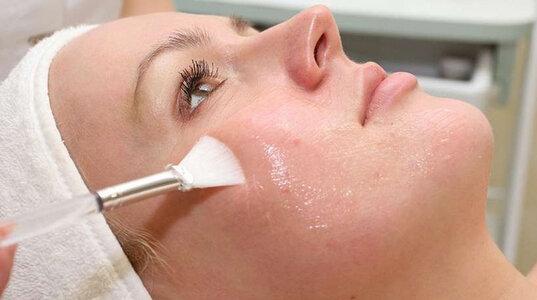
Recovery is an important part of the chemical peel process because the skin needs time to repair itself after controlled exfoliation. The healing experience can range from mild dryness and light flaking to more noticeable redness and peeling, depending on the formulation and treatment depth. Chemical Peels in Dubai (التقشير الكيميائي في دبي) may be performed at different intensities, so recovery expectations should be discussed before the procedure.
Understanding the healing process helps you distinguish common temporary reactions from symptoms that need medical attention. It also allows you to plan everyday activities and follow an aftercare routine that protects the skin while it recovers.
What Influences Recovery After Chemical Peels in Dubai?
Not everyone experiences the same recovery timeline. A superficial peel generally affects the outermost layer of skin and often involves less downtime. A medium-depth peel penetrates further and may cause more visible redness, peeling, and sensitivity. Deep peels involve more intensive healing and greater risks, requiring careful medical supervision.
The ingredients, concentration, application technique, and individual skin condition also influence recovery. Sensitive skin, previous irritation, certain skin conditions, and a history of pigmentation changes may affect how the skin responds.
Following treatment instructions is essential because the expected recovery period varies between products and procedures. Advice intended for a mild peel may not be suitable after a more intensive treatment.
The Main Stages of Chemical Peel Recovery
Immediately After Treatment
The skin may look pink or red and feel warm, tight, or mildly sensitive. Some people experience tingling or dryness, while others have very little visible reaction after a superficial peel.
Avoid rubbing the treated area or applying unapproved products. Use only the cleansing and moisturising products recommended for your particular treatment, and follow instructions about when to wash the face.
The First Few Days
During the early healing period, dryness, tightness, and light flaking may develop. With stronger peels, redness and peeling can be more pronounced. The skin may temporarily feel rough as damaged surface cells shed.
Do not pull away loose skin or attempt to accelerate peeling. Picking can create small wounds, increase inflammation, and raise the risk of scarring or dark marks.
The Peeling and Renewal Period
As the skin continues to recover, old surface cells may shed and reveal newer skin underneath. The amount of peeling differs considerably between individuals and treatment types. Some superficial peels cause minimal visible shedding, so the absence of dramatic peeling does not necessarily mean the treatment has failed.
The newly exposed skin may be more sensitive than usual. Keep the routine gentle and avoid adding exfoliating acids, retinoids, or abrasive products until the skin has healed sufficiently and the treating professional advises that they can be resumed.
Returning to Your Normal Routine
The return to normal skincare and activities depends on the peel's depth and the condition of the skin. After a mild peel, some people can resume selected products relatively quickly. More intensive treatments require a longer period of protection and monitoring.
Do not rely on a fixed number of days to decide when to restart active ingredients. Persistent redness, burning, peeling, or sensitivity means the skin may need more time to recover.
Essential Aftercare for Comfortable Healing
Keep Cleansing Gentle
Use a mild cleanser and lukewarm water when cleansing is permitted under your aftercare instructions. Avoid cleansing brushes, rough towels, exfoliating scrubs, and very hot water.
Pat the skin dry rather than rubbing it. Excessive cleansing can remove protective oils and worsen dryness or irritation.
Maintain Skin Hydration
A suitable moisturiser can help reduce tightness and support the skin barrier during recovery. Choose a product appropriate for sensitive skin and avoid experimenting with unfamiliar formulations while the skin is healing.
If a product causes persistent burning, increasing redness, or swelling, stop using it and seek professional advice.
Protect the Skin From Sunlight
Sun protection is especially important after exfoliating treatments. Use broad-spectrum sunscreen with SPF 30 or higher when appropriate for your stage of recovery, following the treating professional's instructions. Reapply as directed and use shade, hats, or protective clothing when outdoors.
Ultraviolet exposure can worsen irritation and increase the risk of uneven pigmentation. Avoid intentional tanning and follow any additional restrictions recommended for your particular peel.
Avoid Additional Exfoliation
Do not use retinoids, exfoliating acids, abrasive scrubs, or strong acne treatments until the skin has recovered sufficiently. Waxing, aggressive facials, and other resurfacing procedures may also need to be postponed.
Combining several exfoliating methods too soon can damage the skin barrier and prolong recovery. If you are unsure whether a product is suitable, ask the treating professional before using it.
Activities to Consider During Recovery
Aftercare instructions may include temporarily avoiding activities that cause excessive heat, sweating, or friction. The exact restrictions depend on treatment intensity and how the skin responds.
Avoid swimming or activities that could expose healing skin to irritating substances if advised by your treating professional. Makeup should only be resumed when appropriate for the treatment and the skin's condition.
It is also sensible to avoid scheduling another exfoliating procedure before the skin has fully recovered. The interval between treatments should be based on professional assessment rather than convenience alone.
Normal Reactions Versus Warning Signs
Mild redness, dryness, tightness, and peeling may be expected after some chemical peels. However, severe or worsening pain, blistering, marked swelling, spreading redness, unusual discharge, or signs of infection should be assessed promptly by a medical professional.
If symptoms appear significantly more intense than the reaction described before treatment, contact the treating professional rather than attempting to manage the problem with home remedies. Seek emergency care for breathing difficulties or swelling of the lips or tongue.
People with a history of cold sores should discuss this before a facial peel because treatment may trigger an outbreak in susceptible individuals.
When Will the Results Become Visible?
The appearance of the skin may change as recovery progresses, but the timeline depends on the peel and the concern being treated. Surface smoothness or brightness may become noticeable after a superficial treatment, while improvements in pigmentation or texture can develop more gradually.
Redness or temporary unevenness during healing does not automatically predict the final outcome. Allow sufficient recovery time before evaluating results or deciding whether another treatment is needed.
A chemical peel may improve selected skin concerns, but it cannot guarantee complete removal of marks, scars, or wrinkles. Realistic expectations and appropriate follow-up help guide future treatment decisions.
Preparing for a Safe Recovery Experience
Planning ahead can make the healing period easier to manage. Arrange suitable skincare products before treatment, understand the recommended restrictions, and allow enough flexibility for possible redness or peeling. If your work or social schedule requires minimal visible downtime, discuss that preference before choosing a peel.
Chemical Peels in Dubai involve different recovery requirements, so the aftercare plan should match the treatment rather than follow a one-size-fits-all approach. For those researching skin-resurfacing options, TAJMEELS DUBAI عيادة تجميل can be part of the process of learning about treatment choices, recovery expectations, and the importance of personalised aftercare.

 English
 Arabic
 French
 Spanish
 Portuguese
 Turkish
 Dutch
Dutch
 Italiano
 Russian
 Romaian
 Portuguese (Brazil)
 Greek
Greek
 Bengali