


What Is Back Liposuction and Who Can Benefit From It?
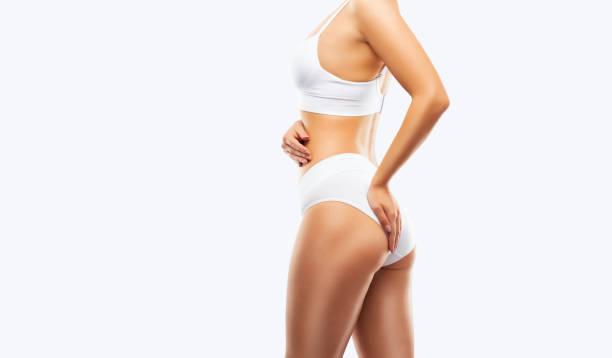
Back liposuction is a cosmetic surgical procedure designed to remove localized fat deposits from the upper, middle, or lower back. These deposits may remain noticeable even after regular exercise and a balanced diet, affecting body proportions and clothing fit. By targeting stubborn fat, the procedure can help create smoother contours and a more defined silhouette. If you are considering a Liposuction procedure in Riyadh (عملية شفط الدهون في الرياض), understanding the process, potential benefits, and recovery requirements can help you make an informed decision.
What Is Back Liposuction?
Back liposuction is a body-contouring procedure that removes excess fat beneath the skin using a thin tube called a cannula. The surgeon inserts the cannula through small incisions to loosen and remove selected fat deposits. Depending on individual needs, treatment may focus on the upper back, bra-line area, middle back, or lower back. The goal is to improve the shape of targeted areas rather than achieve overall weight loss.
Which Areas Can Back Liposuction Treat?
Upper Back Fat
Fat deposits around the upper back and shoulders can create visible fullness near the bra line. Removing some of this localized fat may help smooth the transition between the shoulders and back. The outcome depends on skin elasticity and individual anatomy.
Middle Back Fat
Some people develop folds across the middle back that remain noticeable beneath fitted clothing. Liposuction may reduce localized fat in this area and improve the overall contour. However, it does not guarantee completely smooth skin.
Lower Back Fat
Fat around the lower back and flanks can contribute to fullness near the waistline. Treating these areas may create a more defined transition between the back and waist, depending on fat distribution and the treatment plan.
Who Can Benefit From Back Liposuction?
Back liposuction may be suitable for adults who are near a stable, healthy weight and have localized fat deposits that have not responded adequately to lifestyle changes. Good skin elasticity can help the skin adapt to the reduced volume after fat removal. Candidates should also have realistic expectations and be in suitable overall health for surgery.
People with significant loose skin may not achieve their desired results with liposuction alone. A medical assessment is especially important for individuals with conditions that affect healing or increase surgical risks, including a history of blood clots. A qualified plastic surgeon can determine whether the procedure is appropriate and explain alternatives.
How Is Back Liposuction Performed?
Consultation and Assessment
Before surgery, the surgeon reviews medical history, examines the back, and discusses the patient's body-contouring goals. They assess skin quality, fat distribution, and general health before recommending a personalized treatment plan.
The Surgical Procedure
Back liposuction may be performed using local anesthesia with sedation or general anesthesia, depending on the extent of treatment and the surgeon's recommendation. Small incisions are made in suitable locations, and a cannula is used to remove selected fat deposits. The incisions are then dressed or closed according to the surgical technique.
Postoperative Care
After surgery, patients may be advised to wear a compression garment to help manage swelling and support the treated area. The surgeon provides instructions for wound care, physical activity, and follow-up appointments. Following these instructions is important for recovery.
What Are the Benefits of Back Liposuction?
Back liposuction may reduce localized fat, improve body proportions, and create smoother contours between the back and waist. Some patients notice that clothing fits differently after recovery. However, results vary according to the amount of fat removed, skin elasticity, and individual healing. The procedure does not treat every cause of back fullness and should not replace healthy weight-management habits.
What Is the Recovery Process Like?
Swelling, bruising, tenderness, and temporary numbness are common after back liposuction. These effects generally improve gradually, although some swelling may persist for several weeks or longer. Light walking is often encouraged to support circulation, while strenuous exercise should be avoided until the surgeon confirms it is safe to resume.
Recovery varies depending on the extent of surgery and individual healing. Contact your healthcare provider if you experience fever, increasing pain, spreading redness, or unusual drainage. Sudden shortness of breath or chest pain requires emergency medical attention.
What Are the Risks of Back Liposuction?
Like any surgical procedure, back liposuction carries potential risks. These include infection, bleeding, fluid accumulation, uneven contours, asymmetry, changes in skin sensation, and skin irregularities. More serious complications, including blood clots and anesthesia-related problems, can also occur.
Choosing a qualified surgeon and an appropriately equipped medical facility can help reduce risks but cannot eliminate them. Before surgery, discuss your medical history, individual risk factors, possible complications, and expected outcomes with your surgeon.
How Long Do Back Liposuction Results Last?
Fat cells removed during liposuction are permanently removed, but remaining fat cells can enlarge with weight gain. Maintaining a stable weight through balanced nutrition and regular physical activity can help preserve the results. The final contour may take several months to become clear as swelling decreases. Natural aging and changes in skin elasticity can also affect the appearance of the back over time.
Back Liposuction vs. Non-Surgical Fat Reduction
Back liposuction surgically removes fat and may be suitable for people seeking a more noticeable change in a localized area. Non-surgical fat-reduction treatments use different technologies and may produce more modest results, sometimes requiring multiple sessions. Their suitability depends on the treatment area, amount of fat, and individual health. A qualified clinician can explain the potential benefits, limitations, and risks of each approach.
Book a Consultation at Royal Clinic Saudia
If you are exploring options for back contouring, Royal Clinic Saudia (عيادات رويال كلينك) can be a starting point for arranging a consultation with a qualified clinician. During your appointment, discuss your goals, medical history, skin elasticity, and recovery expectations. A personalized assessment can help determine whether a Liposuction procedure in Riyadh is suitable for you and whether another treatment may better address your concerns.
FAQs:
Is back liposuction suitable for everyone?
No. It is generally intended for people with localized fat deposits who are near a stable, healthy weight. A medical assessment is necessary to evaluate suitability and surgical risks.
Can back liposuction remove bra-line fat?
It may reduce localized fat around the bra-line area and improve the upper-back contour. Results depend on fat distribution, skin elasticity, and individual anatomy.
How long does recovery from back liposuction take?
Initial recovery may take days to a few weeks, depending on the extent of treatment. Swelling and final contour changes can continue for several months.
Can back fat return after liposuction?
Fat cells removed during surgery are permanently removed, but remaining fat cells can enlarge with weight gain. Maintaining a stable weight helps support long-term results.

 English
 Arabic
 French
 Spanish
 Portuguese
 Deutsch
 Dutch
Dutch
 Italiano
 Russian
 Romaian
 Portuguese (Brazil)
 Greek
Greek
 Bengali