


How Do PVD Systems Vaporize Refractory Coating Materials
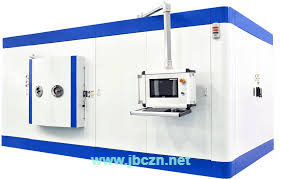
Coating materials fall into two broad groups, and the dividing line sits at temperature. Aluminum, silver, and copper vaporize at relatively modest heat, which makes them straightforward candidates for thermal evaporation. Titanium, tungsten, molybdenum, tantalum, and ceramic compounds such as titanium dioxide resist that approach because their melting points sit far above what a simple resistive heater can reach. Engineers selecting a PVD evaporation coating equipment system for these refractory materials face a different set of decisions, and the equipment they choose determines whether deposition runs smoothly or stalls with an unconsumed source. GOLD BLINGKING INTELLIGENT TECHNOLOGY (ZHE JIANG) CO., LTD., known through its site jbczn, manufactures vacuum coating systems and works with clients on configurations that suit their material set. How does equipment handle materials that refuse to melt at ordinary temperatures?
Electron beam evaporation ranks as the primary answer for refractory metals and ceramics. In an electron beam system, a focused beam of high-energy electrons strikes the source material inside a water-cooled copper hearth, heating only a small area to temperatures that exceed the melting point of most metals and many ceramics. Because the crucible itself stays cool, the molten pool sits within a shell of unmelted material, which prevents contamination from the hearth and allows the beam to reach temperatures that resistive heating cannot approach.
Thermal evaporation with specialized sources offers a second path for certain materials. Boron nitride crucibles, tungsten boats, and ceramic-coated heaters can reach elevated temperatures when paired with high-current power supplies, and they suit materials that melt below the practical limit of the heating element. Engineers match the source to the material, since placing a refractory metal in an undersized heater produces incomplete evaporation and inconsistent film thickness.
Sputtering and arc-based methods provide alternatives when evaporation proves impractical. Magnetron sputtering handles many of the same refractory materials by ejecting atoms through ion bombardment rather than melting, and multi-arc ion plating deposits hard coatings at temperatures that would otherwise damage heat-sensitive substrates. A manufacturer that builds several deposition technologies can recommend the method that fits a specific coating, rather than forcing every application through one process.
Power delivery and control determine whether the process remains stable across a production run. Electron beam guns require programmable sweep patterns to keep the beam moving across the source, since a stationary beam drills a pit and changes the evaporation rate. Closed-loop control monitors the deposition rate and adjusts power in real time, which keeps film thickness consistent from the first substrate to the last. Systems that lack this feedback produce coatings that vary across a batch, a problem that becomes visible only after downstream inspection.
Thermal management protects both the equipment and the substrate. Water-cooled hearths, shields, and chamber walls absorb the heat that the beam generates, and substrate holders may incorporate rotation and heating to promote adhesion. For plastic substrates coated with refractory materials, the chamber design must keep the substrate cool while the source reaches extreme temperatures, which requires careful placement and shielding.
Vacuum quality influences how well high melting point materials behave during deposition. Residual gases can react with the vaporized material before it reaches the substrate, producing films with reduced purity and adhesion. Systems that reach low base pressures and maintain them during deposition reduce this risk, and the pumping configuration should match the gas load that a given source generates.
Clients coating cutting tools, decorative hardware, or optical components with refractory materials often ask which heat source suits their material and substrate combination, and the answer depends on melting point, required deposition rate, and how much heat the substrate can tolerate. A PVD evaporation coating equipment supplier that builds several configurations can match the system to the job, and GOLD BLINGKING welcomes technical discussions about depositing titanium, tungsten, ceramic oxides, and similar materials on substrates ranging from metal to plastic, with specification sheets and system options available at https://www.jbczn.net/ for buyers comparing configurations.

 English
 Arabic
 French
 Spanish
 Portuguese
 Deutsch
 Turkish
 Dutch
Dutch
 Italiano
 Russian
 Romaian
 Portuguese (Brazil)
 Bengali