


New Construction Inspection for Better Building Quality
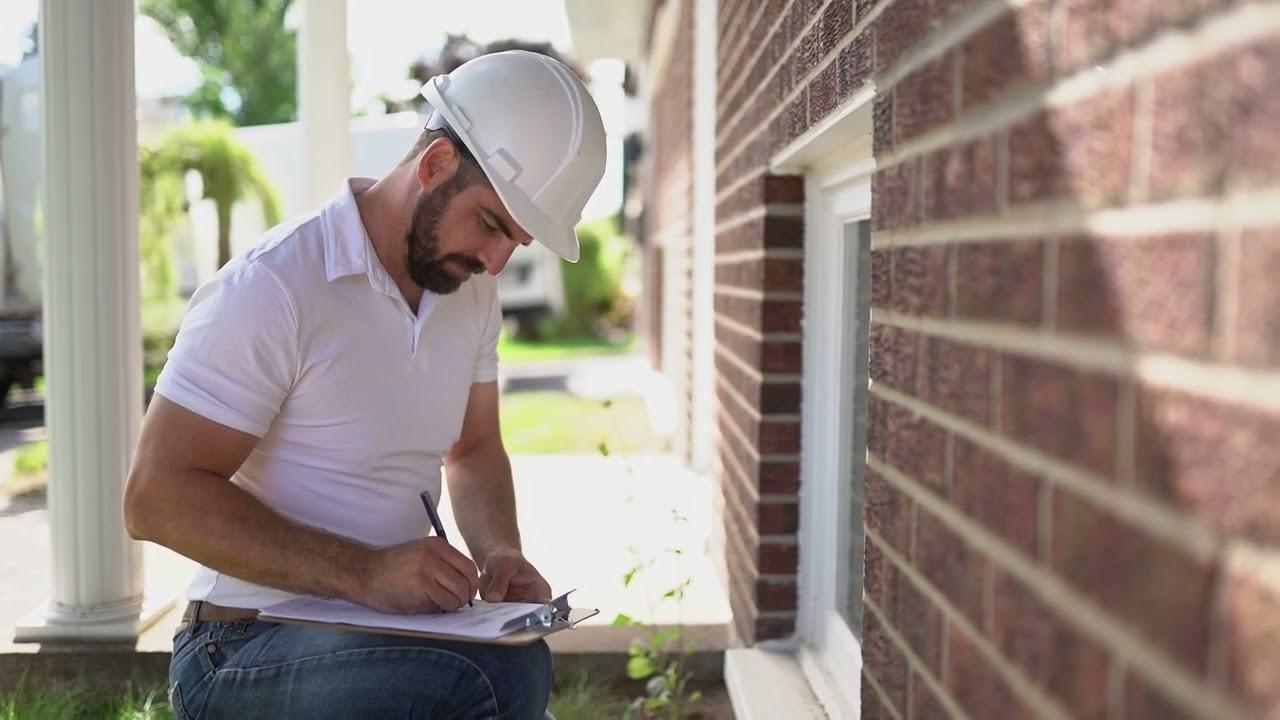
A newly built property can look complete while still having unfinished details or installation defects that are difficult to notice during a quick walkthrough. Loose fixtures, damaged finishes, incomplete sealing, and problems with building systems may become apparent only after the home is occupied. A New Construction Inspection provides a structured review of accessible building components before the property is accepted. The findings can help buyers identify visible defects, document incomplete work, and determine whether additional evaluation is needed. Reviewing the home before handover gives the builder an opportunity to address concerns while construction records, warranties, and correction procedures are readily available.
Examine the Foundation and Structural Elements
The foundation and structural framework support the entire building, so their visible condition deserves careful attention. Cracks, uneven surfaces, damaged masonry, and signs of movement may indicate issues that require further investigation. During a New Construction Inspection, accessible structural features can be reviewed for apparent defects and incomplete work. Depending on the construction stage, the assessment may also consider visible framing, support elements, stairs, and other structural components. Not every crack indicates a serious problem, and a visual review cannot establish the cause of every defect. If significant concerns are identified, a qualified structural professional may need to evaluate the property before handover.
Inspect Roofing and Exterior Finishes
The roof and exterior walls protect a new home from rain, wind, sunlight, and changing temperatures. Missing roofing materials, damaged flashing, poorly fitted siding, gaps around windows, and incomplete exterior sealant can create potential pathways for moisture. A New Construction Inspection in Baltimore can include a visual review of accessible roofing materials, exterior finishes, gutters, and downspouts. Areas where roof surfaces meet walls, chimneys, skylights, and other openings deserve particular attention. Water should also be directed away from the building through suitable drainage features. Identifying visible defects before the final walkthrough allows the builder to review the work and arrange corrections where necessary.
Check Plumbing Fixtures and Drainage
A new plumbing system should operate correctly without visible leaks, loose connections, or drainage problems. Faucets, sinks, toilets, showers, exposed pipes, and accessible fittings may be reviewed during a New Construction Inspection. The assessment can include observing fixture operation, checking for visible leakage, and noting concerns around water connections. Cabinets beneath sinks and areas around water-using appliances should also be examined because small leaks can damage newly installed finishes. Concealed piping cannot always be evaluated through visual inspection alone. If there are signs of improper installation or concerns about system performance, additional testing by a qualified plumbing professional may be appropriate before the property is occupied.
Evaluate Electrical Installation and Fixtures
Electrical components should be installed correctly to support the home's intended use and applicable safety requirements. Outlets, switches, lighting fixtures, accessible electrical panels, and visible wiring may be reviewed for apparent defects or unfinished details. A New Construction Inspection can identify issues such as missing covers, damaged fixtures, loose components, and incomplete finishing around electrical features. However, a general inspection does not replace specialized electrical testing or required official inspections. When a concern is identified, a qualified electrician should evaluate the installation and determine the appropriate correction. Addressing visible problems before moving furniture and appliances into the property can make the final setup more straightforward.
Assess Heating, Cooling, and Ventilation
Heating and cooling equipment should be installed according to the home's design and intended requirements. During a New Construction Inspection, accessible HVAC equipment, thermostats, vents, visible ductwork, and related components may be reviewed for general operation and noticeable defects. Unusual sounds, damaged parts, loose connections, or inconsistent airflow can indicate areas that deserve further assessment. Ventilation is also important in bathrooms, kitchens, laundry rooms, and other moisture-prone areas. A standard inspection may not include detailed system balancing or performance testing, so specialist evaluation may be needed when concerns arise. Reviewing these features before occupancy can help identify installation issues while the builder can still coordinate corrective work.
Review Windows, Doors, and Interior Finishes
Windows and doors should open, close, and latch as intended, with their frames and surrounding seals properly finished. Poor alignment, damaged hardware, visible gaps, and incomplete sealing may affect everyday operation or allow unwanted air and moisture to enter. A New Construction Inspection can also include reviewing accessible flooring, walls, ceilings, cabinets, stairs, trim, and other interior finishes. Uneven surfaces, loose tiles, paint defects, and damaged materials may be documented for correction. Some findings are cosmetic, while others can affect functionality or durability. Recording these observations before handover helps buyers communicate specific concerns to the builder and keep track of outstanding work.
Examine Insulation and Moisture Protection
Insulation, air sealing, and ventilation contribute to indoor comfort and help manage moisture. Gaps around openings, visible insulation defects, incomplete sealing, and poorly finished wet areas may indicate that further review is necessary. A New Construction Inspection can examine accessible areas for signs of incomplete work, particularly before insulation, wiring, plumbing, or framing becomes concealed behind finished surfaces. Once construction is complete, some defects may be difficult to observe without specialized methods. Bathrooms, attics, exterior openings, and areas around windows deserve particular attention. Reviewing these details at suitable stages of construction can make it easier to correct problems before they affect finished rooms.
Document Defects and Confirm Corrections
Clear records make it easier to communicate inspection findings and follow the correction process. A New Construction Inspection report may document visible defects, incomplete finishes, and items that require additional evaluation. Photographs, room locations, and concise descriptions can help the builder understand exactly where attention is needed. It is useful to separate cosmetic concerns from issues that could affect safety, water protection, structural performance, or essential systems. Keep copies of inspection reports, written communications, repair records, and relevant warranty information. After the builder completes the agreed work, review the affected areas again where appropriate. Organized documentation creates a clearer record of the property's condition at handover.
Prepare for a More Informed Handover
The final walkthrough is an important opportunity to review outstanding concerns and confirm the status of agreed corrections. A New Construction Inspection provides useful information about accessible building components, visible workmanship, and incomplete details before ownership responsibilities begin. It should complement, rather than replace, official approvals, required code inspections, permits, and warranty procedures. No general inspection can guarantee that every concealed defect has been discovered. By arranging reviews at appropriate construction stages, recording observations, and seeking specialist advice when necessary, buyers can approach handover with a better understanding of the property. This preparation supports more informed decisions about occupancy, maintenance, and the long-term care of the new home.

 English
 Arabic
 Spanish
 Portuguese
 Deutsch
 Turkish
 Dutch
Dutch
 Italiano
 Russian
 Romaian
 Portuguese (Brazil)
 Greek
Greek
 Bengali