


Lab-Grown Diamonds: A New Era of Everyday Luxury
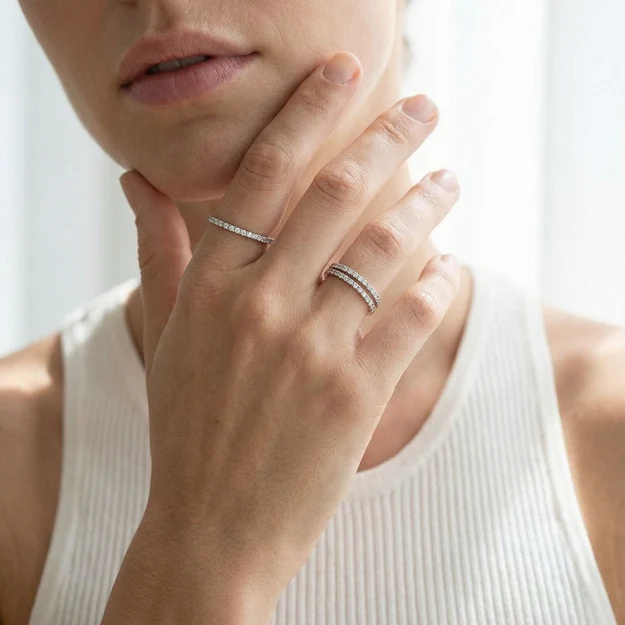
Diamond jewelry has always carried personal meaning. An engagement ring can mark a new chapter, while a delicate pendant might celebrate an achievement or family milestone. Today, buyers have another option that combines familiar beauty with modern production methods: lab diamonds.
These stones have become a serious consideration for people who appreciate fine jewelry but want greater flexibility in their budgets. Their appeal goes beyond price, with improvements in manufacturing and cutting bringing more variety to jewelry collections.
The Science Behind Their Sparkle
Laboratory-grown diamonds are real diamonds, not imitations made from glass or cubic zirconia. They share essentially the same chemical composition, crystal structure, and physical properties as mined diamonds. The main difference is their origin.
Manufacturers use two established production methods. High Pressure High Temperature (HPHT) recreates the pressure and heat conditions associated with natural diamond formation. Chemical Vapor Deposition (CVD) uses carbon-containing gases in a controlled chamber to grow diamond crystals.
Both processes produce material that skilled cutters can shape and polish into finished gemstones. According to the Gemological Institute of America (GIA), specialized laboratory testing can distinguish these stones from their natural counterparts.
Why Jewelry Buyers Are Paying Attention
One attraction is the opportunity to purchase a larger or higher-quality-looking stone without committing to the cost of a comparable mined diamond. The price difference can leave room for a more detailed setting, a matching wedding band, or another meaningful purchase.
Design flexibility also matters. Lab diamonds appear in classic round brilliant cuts, elegant ovals, rectangular emerald cuts, and other shapes. This variety makes them suitable for understated everyday jewelry as well as elaborate pieces.
A smaller oval stone in a simple gold bezel setting, for example, can create a refined pendant. Larger stones might suit solitaire rings or statement earrings. The right choice depends more on personal style than on carat weight alone.
Quality Depends on More Than Size
A diamond's appearance depends on several characteristics, commonly known as the four Cs: cut, color, clarity, and carat weight.
Cut and Color
Cut influences how effectively a diamond reflects and returns light. A well-proportioned stone can appear brighter and livelier than a heavier diamond with less effective proportions.
Color grades describe the presence of yellow or brown tint in diamonds within the standard D-to-Z range. Colorless stones receive higher grades, although near-colorless options can look beautiful in finished jewelry.
Clarity and Carat Weight
Clarity refers to internal inclusions and external characteristics. Some imperfections are difficult to notice without magnification, making certain lower clarity grades reasonable choices for everyday jewelry.
Carat measures weight rather than visible size. Two one-carat diamonds can appear different because their shapes, proportions, and cutting styles affect their face-up dimensions.
Buyers should compare several stones under different lighting conditions instead of relying entirely on numerical grades.
A Growing Interest in Madrid's Jewelry Market
Madrid offers an interesting setting for contemporary jewelry shopping, with established jewelers, independent designers, and consumers interested in personalized pieces.
People researching diamantes de laboratorio Madrid may encounter different design approaches, from minimalist engagement rings to custom necklaces. Comparing craftsmanship, metal quality, and after-sales services is particularly useful when considering local jewelers.
Visiting a showroom also helps buyers understand how stones look outside professional photography. Natural daylight, indoor lighting, and the surrounding metal can all influence a finished piece's appearance.
Certification and Transparency Matter
An independent grading report provides important information about a diamond's identity and characteristics. Organizations such as the International Gemological Institute (IGI) issue reports identifying laboratory-grown origin and documenting relevant quality grades.
Buyers should confirm that the report matches the stone and review its measurements, grades, and treatment disclosures. A grading report is not the same as a financial appraisal, but it offers a useful basis for comparison.
Environmental claims deserve similar attention. Laboratory production avoids diamond mining, but manufacturing still requires energy and equipment. Its environmental impact depends partly on electricity sources and production practices.
Rather than accepting broad sustainability promises, shoppers can ask retailers for specific information about manufacturing and sourcing.
Choosing Jewelry That Holds Personal Value
Selecting diamond jewelry involves practical considerations beyond the gemstone itself. Ring settings should protect exposed edges, earrings need secure closures, and necklaces should have chains suited to their pendants.
Maintenance matters, too. Regular cleaning helps preserve brilliance, while periodic inspections can reveal worn prongs or loose settings before damage occurs.
For shoppers comparing diamantes de laboratorio Madrid, reviewing warranty terms, resizing policies, and independent grading documents can prevent unnecessary complications.
The most satisfying purchase is not necessarily the largest stone or the most elaborate design. It is a well-crafted piece that fits comfortably, suits the wearer's habits, and carries meaning long after the purchase.

 English
 Arabic
 Spanish
 Portuguese
 Deutsch
 Turkish
 Dutch
Dutch
 Italiano
 Russian
 Romaian
 Portuguese (Brazil)
 Greek
Greek
 Bengali