


Essential Security Checks Through HIPAA Security Risk Analysis
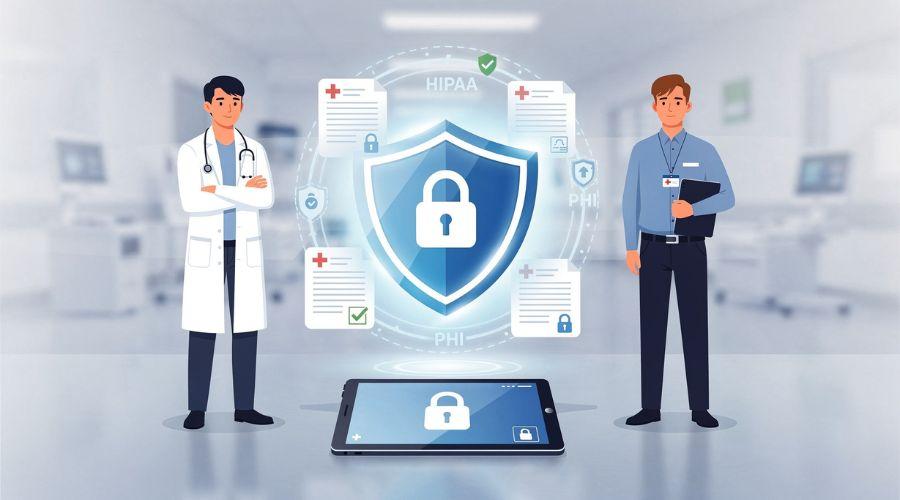
Healthcare organizations handle sensitive patient information every day. Medical records, insurance details, treatment histories, and electronic health data must be protected from unauthorized access, loss, and misuse. Even a small security weakness can expose private information and disrupt daily operations. For this reason, healthcare practices need a clear process to identify security risks and strengthen their protection measures.
A HIPAA Security Risk Analysis helps healthcare organizations identify potential threats and weaknesses affecting electronic protected health information (ePHI). It gives practices a better understanding of where their security measures may fall short and what steps they should take to address those risks. When performed carefully and reviewed regularly, risk analysis can support stronger data protection, better security planning, and more reliable healthcare operations.
Why Healthcare Practices Need Regular Security Checks
Healthcare practices depend on electronic health record systems, billing platforms, patient portals, email, and other digital tools. These systems make it easier to manage information, but they can also create security risks when access controls, staff procedures, or technical safeguards are inadequate.
Regular security checks help practices understand how patient information is collected, stored, accessed, and shared. They can reveal outdated software, unnecessary user permissions, weak procedures, and other potential vulnerabilities before these issues lead to more serious problems.
The HIPAA Security Rule requires covered entities and applicable business associates to conduct an accurate and thorough assessment of potential risks and vulnerabilities to the confidentiality, integrity, and availability of ePHI. A risk analysis is therefore a key part of meeting HIPAA Security Rule requirements, rather than simply an optional technology review.
Essential Areas to Review During a HIPAA Security Risk Analysis
A useful risk analysis examines the people, processes, systems, and locations involved in handling electronic patient information. Healthcare organizations should understand where ePHI exists, who can access it, and what could threaten its security.
Electronic Health Records and System Access
Electronic health record systems contain valuable clinical and administrative information. Practices should review user accounts, access permissions, authentication procedures, and system activity to determine whether patient data is appropriately protected.
Staff members should receive access based on their job responsibilities. For example, an employee who handles appointment scheduling may not need the same level of access as a clinician. Reviewing permissions and removing access when staff roles change can help limit unnecessary exposure of sensitive information.
Data Storage, Backups, and Information Sharing
Healthcare organizations must understand how electronic patient information moves between internal systems, outside providers, billing partners, and other authorized parties. Security reviews should consider data storage locations, backup procedures, transmission methods, and the safeguards used by relevant vendors.
Reliable backups can help an organization recover information after certain technical failures or security incidents. However, backups also need appropriate protection, access controls, and recovery testing to ensure they remain useful when needed.
Staff Awareness and Security Procedures
Human error can create security weaknesses even when an organization uses modern technology. Employees may click suspicious links, share login credentials, send information to the wrong recipient, or overlook established privacy procedures.
Regular training helps staff recognize potential threats and understand how to handle patient information responsibly. Written policies should explain how to report suspicious activity, manage access, respond to incidents, and communicate securely with patients and business partners.
How Risk Analysis Helps Strengthen Healthcare Compliance
A structured risk analysis gives healthcare organizations a clearer picture of their current security position. It helps identify potential threats, assess their possible impact, and determine which safeguards need attention first.
Identifying and Prioritizing Security Gaps
Not every security weakness creates the same level of risk. Practices should evaluate the likelihood of a threat occurring and the potential consequences for patient information and business operations. This makes it easier to prioritize corrective actions according to the organization's circumstances.
For example, an account with excessive access privileges may require immediate review, while another finding may call for a longer-term improvement to staff training or system monitoring. Documenting findings and tracking corrective actions helps organizations maintain a more organized security improvement process.
Maintaining Documentation and Reviewing Changes
Risk analysis should not be treated as a one-time task. New software, changing staff responsibilities, updated workflows, new vendors, and security incidents can introduce risks that were not present during an earlier assessment.
Healthcare practices should maintain documentation of identified risks, decisions, and corrective actions. They should also revisit their assessments when meaningful changes occur and ensure that security policies remain appropriate for their current operations.
Proactive Healthcare Services offers healthcare support solutions that can help providers manage important administrative and compliance-related responsibilities. An organized approach to these tasks can help practices maintain clearer processes while giving appropriate attention to the protection of patient information.
Connecting Information Security With Healthcare Quality Measurement
Protecting patient information and measuring healthcare quality are different responsibilities, but both depend on reliable records and organized processes. When healthcare organizations maintain accurate information and apply appropriate safeguards, they are better positioned to support responsible reporting and informed quality improvement.
For example, HEDIS Measures are used to evaluate important aspects of healthcare quality, including effectiveness of care, access to services, patient experience, and utilization. These standardized measures help health plans and other organizations assess performance and identify opportunities to improve care delivery.
Accurate data collection and careful information management are important when organizations work with quality measurement programs. However, a HIPAA risk analysis does not itself establish HEDIS compliance or guarantee accurate quality results. Organizations must address the specific requirements of each program and protect health information throughout its use.
Healthcare providers and organizations seeking to understand quality measurement can explore HEDIS Measures to learn more about how healthcare performance is evaluated and how quality improvement efforts can be supported by reliable data.
Practical Steps for Improving Healthcare Data Security
Healthcare practices can strengthen their security processes by following a consistent approach. The specific actions required will depend on their systems, operations, and identified risks.
-
Inventory electronic patient information: Identify where ePHI is created, received, stored, maintained, and transmitted.
-
Review access permissions: Confirm that employees and authorized third parties have appropriate access to sensitive information.
-
Evaluate technical safeguards: Examine relevant authentication, access controls, system monitoring, and data protection measures.
-
Train staff regularly: Help employees recognize phishing attempts, handle information safely, and report potential security incidents.
-
Assess vendor relationships: Review how business associates handle ePHI and whether appropriate safeguards and agreements are in place.
-
Document findings: Record identified risks, planned corrective actions, and progress toward addressing security weaknesses.
-
Reassess when needed: Review security risks when systems, business processes, or other important circumstances change.
These steps can help practices develop a more consistent approach to managing information security. They should be adapted to the organization's actual risks and used as part of a broader security management process.
Choosing the Right Support for Healthcare Security Management
Managing healthcare security requires attention to technical systems, employee responsibilities, documentation, and ongoing risk management. Smaller practices may have limited internal resources, while larger organizations may need to coordinate security responsibilities across multiple departments and vendors.
When evaluating external support, healthcare organizations should consider the provider's relevant experience, scope of services, documentation practices, and understanding of HIPAA requirements. They should also clarify who is responsible for conducting assessments, implementing corrective actions, and reviewing security improvements.
Proactive Healthcare Services supports healthcare providers with solutions designed to help organize essential administrative and operational responsibilities. With a structured approach to compliance-related workflows and appropriate attention to information security, practices can work toward stronger processes and more dependable operations.
Conclusion
Essential security checks help healthcare organizations understand where sensitive patient information may be at risk and what improvements are needed. A well-documented HIPAA Security Risk Analysis supports the identification and prioritization of security weaknesses while helping organizations make informed decisions about safeguards and corrective actions.
By reviewing system access, protecting electronic records, training staff, and reassessing risks as operations change, healthcare practices can build a stronger foundation for information security. Combining these efforts with accurate data management and a clear understanding of HEDIS Measures can also support more organized healthcare quality activities. Ultimately, consistent security practices help providers protect patient information while maintaining reliable and responsible healthcare operations.

 English
 Arabic
 French
 Spanish
 Portuguese
 Deutsch
 Dutch
Dutch
 Italiano
 Russian
 Romaian
 Portuguese (Brazil)
 Greek
Greek
 Bengali