


Head Massage: Benefits, Techniques and What to Expect
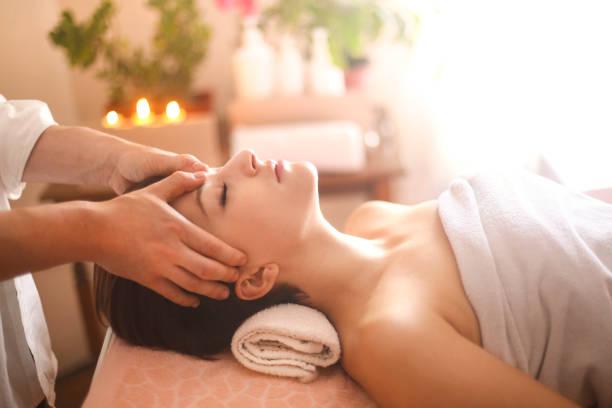
A head massage is a simple way to relax, release everyday tension and enjoy a few moments of calm. Whether you spend long hours working at a desk, experience tightness around your scalp or simply want to unwind after a busy day, a gentle massage can be a comforting addition to your self-care routine.
Head massage involves applying controlled pressure and gentle movements to the scalp, sometimes including the temples, neck and shoulders. It is commonly offered at spas and wellness centres, although some basic techniques can also be practised at home.
Understanding its benefits, methods and safety considerations can help you decide whether this type of massage is suitable for you.
What Is a Head Massage?
A head massage is a relaxation technique that focuses on the scalp and surrounding areas. Practitioners typically use their fingertips and palms to perform circular movements, gentle kneading and light pressure.
Some treatments include the forehead, temples, neck and upper shoulders, where people commonly experience muscular tension.
A head massage can be performed with or without oil. The approach depends on the treatment style, personal preferences and scalp condition.
Unlike a medical treatment, a relaxation massage is primarily intended to promote comfort and wellbeing.
Benefits of Head Massage
1. Helps Reduce Everyday Stress
One of the main reasons people choose a head massage is relaxation.
Gentle, repetitive movements can create a calming experience and help people feel less tense after a demanding day.
Taking time away from work, screens and daily responsibilities may also contribute to an improved sense of wellbeing.
2. Relieves Scalp and Muscle Tension
Tightness around the scalp, neck and shoulders can develop after prolonged desk work or uncomfortable posture.
A gentle massage may temporarily ease the sensation of muscle tension and improve comfort.
However, persistent pain, severe headaches or recurring symptoms should be assessed by a healthcare professional rather than treated with massage alone.
3. Encourages Relaxation Before Sleep
Some people find a head massage helpful as part of their evening routine.
A quiet environment, gentle movements and reduced stimulation can make it easier to relax before bedtime.
Although massage may improve perceived relaxation and sleep quality for some people, it is not a proven cure for insomnia or other sleep disorders.
4. Provides a Comforting Scalp Experience
Massage creates gentle movement across the scalp and may temporarily increase local blood flow.
This can produce a pleasant warming sensation and help the scalp feel relaxed.
However, claims that scalp massage reliably stimulates hair growth or prevents hair loss are not supported by strong clinical evidence.
5. Supports General Wellbeing
Setting aside time for relaxation can help people develop healthier self-care habits.
A head massage may be particularly appealing to individuals who prefer a shorter wellness treatment rather than a full-body massage.
Different Types of Head Massage
Indian Head Massage
Indian head massage is a traditional treatment style that commonly includes the scalp, neck, shoulders and sometimes the face.
It often combines kneading, circular movements and pressure techniques.
The exact routine varies between practitioners and wellness centres.
Scalp Massage
A scalp massage focuses mainly on the skin and muscles covering the head.
It can be performed without oil or with a suitable massage product.
Gentle fingertip movements are generally preferred over scratching or pulling the hair.
Head, Neck and Shoulder Massage
This treatment combines scalp relaxation with massage around the neck and upper shoulders.
It may appeal to people who spend extended periods sitting at a computer or looking down at a mobile device.
Pressure should always remain comfortable, particularly around sensitive areas of the neck.
Oil Head Massage
Some treatments use oils to reduce friction and create a smoother massage experience.
Commonly used products include coconut oil and other cosmetic massage oils.
Anyone with sensitive skin, allergies or an existing scalp condition should check the ingredients before treatment.
What Happens During a Professional Head Massage?
A professional session usually begins with a brief discussion about your preferences and any relevant health concerns.
The therapist may ask whether you have scalp sensitivity, recent injuries or particular areas of discomfort.
You may then sit in a comfortable chair or lie on a treatment couch, depending on the service.
The therapist generally starts with light movements before introducing gentle kneading or circular pressure around the scalp.
Some treatments also include the temples, forehead, neck and shoulders.
Session length varies between providers. Shorter treatments may last around 15–30 minutes, while more extended sessions can include additional areas.
You should communicate immediately if the pressure feels uncomfortable.
How to Give Yourself a Gentle Head Massage
A basic self-massage can be performed at home without specialist equipment.
Step 1: Find a Comfortable Position
Sit somewhere quiet and support your back and neck.
Relax your shoulders and take a few slow, comfortable breaths.
Step 2: Use Your Fingertips
Place the pads of your fingers against your scalp.
Avoid using your nails, as scratching can irritate the skin.
Step 3: Make Small Circular Movements
Move your fingertips gently across the scalp, beginning near the temples and progressing towards the crown.
Use light to moderate pressure without pulling your hair.
Step 4: Massage the Back of Your Head
Move towards the base of your skull and gently massage the surrounding muscles.
Avoid pressing directly on the spine or applying force to the neck.
Step 5: Finish Slowly
Reduce the pressure and finish with a few gentle movements.
A short session of around five to ten minutes may be enough to create a relaxing experience.
Stop if you experience pain, dizziness or worsening symptoms.
Head Massage With Oil vs Without Oil
Both approaches can provide a relaxing experience.
An oil massage may reduce friction and suit people who enjoy a traditional scalp treatment. However, oil can leave the hair greasy and may not be suitable for certain scalp conditions.
A dry head massage requires no additional products and is often more convenient during a busy day.
Neither approach is universally better. The choice depends on comfort, skin sensitivity and personal preference.
Who Should Be Careful With Head Massage?
Although gentle massage is generally well tolerated, it is not suitable for every situation.
Avoid massage over open wounds, active scalp infections, significant inflammation or recent head injuries.
People with recent head or neck surgery, certain vascular conditions or unexplained neurological symptoms should seek medical advice before treatment.
Anyone experiencing a sudden severe headache, weakness, confusion or other concerning symptoms should seek urgent medical assessment.
Always inform a professional therapist about relevant medical conditions before the session.
How Often Should You Have a Head Massage?
There is no fixed schedule that suits everyone.
Some people enjoy a brief self-massage several times a week, while others prefer occasional professional sessions.
Frequency should depend on comfort, personal preferences and how your scalp responds.
More pressure or longer sessions do not necessarily produce better results. Gentle techniques are usually more appropriate for routine relaxation.
Frequently Asked Questions
Is head massage good for relaxation?
Yes. Many people find gentle scalp massage calming and enjoyable, although individual experiences vary.
Can head massage help with headaches?
Massage may provide temporary comfort when muscular tension contributes to discomfort, but it does not treat every type of headache. Frequent or severe headaches require medical assessment.
Does head massage improve hair growth?
There is limited evidence that scalp massage can promote hair growth. It should not replace evidence-based treatment for hair loss.
Is head massage painful?
A relaxation massage should not be painful. Ask the therapist to reduce pressure if you experience discomfort.
Can I have a head massage without oil?
Yes. Dry scalp massage is common and can be performed using gentle fingertip movements.
Final Thoughts
Head massage is a straightforward wellness treatment that can help you unwind, feel more comfortable and take a break from everyday stress.
Whether you prefer a professional Indian head massage, a combined head and shoulder treatment or a short self-massage at home, gentle pressure and proper technique are essential.
Choosing an approach that suits your comfort and health needs can make head massage an enjoyable part of a balanced self-care routine.

 English
 Arabic
 French
 Spanish
 Portuguese
 Deutsch
 Dutch
Dutch
 Italiano
 Russian
 Romaian
 Portuguese (Brazil)
 Greek
Greek
 Bengali