


Fractional Jet Ownership Sounds Perfect Until the Maths Get Honest
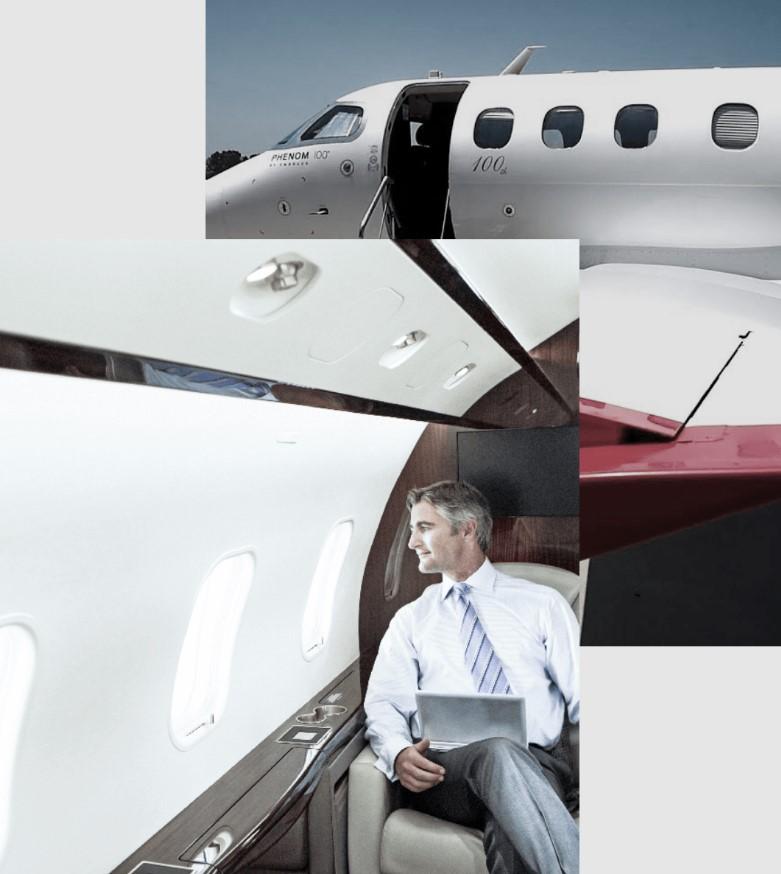
Buying a share of an aeroplane sounds clever at dinner parties. Pay a fraction of the purchase price, receive guaranteed flight hours every year, skip the headaches of full ownership while casually mentioning that a jet sits waiting with your name partially on the fuselage. Fractional jet ownership has attracted corporate flight departments and ambitious frequent flyers for decades on exactly that pitch. The sales presentation is always polished. The accountant's review afterward tends to be considerably less enthusiastic.
Is Fractional Jet Ownership Worth It for Business Travel?
The answer depends entirely on how often the aircraft actually flies. Fractional jet ownership starts making financial sense somewhere around 200 flight hours per year. Below that number, the fixed costs — management fees, crew retainers, hangar charges, insurance, maintenance reserves — spread across too few hours and the per-hour cost balloons past what chartering the identical aircraft would cost outright.
Above 200 hours, the calculation shifts. Those fixed costs dilute across enough usage that the effective hourly rate drops below comparable charter pricing. But reaching 200 hours means roughly four flights per week, which describes a fairly narrow slice of business travellers whose schedules genuinely demand that volume consistently.
The hidden expense that blindsides buyers arrives labelled "management fees." Monthly charges covering maintenance oversight, crew scheduling, insurance administration and operational management. They land regardless of whether the aircraft flies or sits parked collecting dust. A quiet quarter generates the same management invoice as a busy one, and fractional jet ownership carries that bill for twelve months running without a single discount for inactivity.
How Does Fractional Jet Ownership Compare to Private Jet Charter?
Charter charges per flight with zero commitment beyond that trip. Fractional jet ownership charges monthly whether the aircraft moves or not. That structural difference determines which option suits which travel pattern, and confusing the two wastes money in either direction.
Charter scales down beautifully. Flying twice this month and zero times next month costs for two flights, full stop. Fractional jet ownership still sends the management fees, insurance premiums and maintenance reserve invoices during that empty month without blinking. Charter scales up too — need a larger aircraft for one specific trip, and the operator simply provides it. A fractional share locks the owner into a specific aircraft class unless the programme offers upgrade flexibility, which typically costs extra per flight hour.
Depreciation Hits the Balance Sheet
Aircraft lose value. A one-sixteenth share of a jet that cost sixty million depreciates alongside the full airframe. Selling the share years later means accepting whatever the resale market offers, which sits below the purchase price unless the specific model has appreciated — something that happens occasionally with popular types but should never feature in the buying decision as an assumption. Fractional jet ownership ties capital to a depreciating asset in ways that chartering simply never does.
Who Benefits From Ownership
Companies flying 200-plus hours annually on predictable routes. Executives whose schedules demand guaranteed availability on peak days when charter aircraft get scarce. Organisations willing to stomach the fixed-cost structure in exchange for knowing an aircraft sits ready regardless of market demand. Fractional jet ownership rewards high-volume users and punishes occasional travellers — the programme brochure rarely emphasises that second half with equal enthusiasm.
The JetClub card model offers a middle ground worth examining. Prepaid flight hours with flexibility to move between aircraft types — larger cabin for one trip, lighter jet for the next — without the capital commitment, management fees or depreciation exposure that ownership demands. The hours sit on a balance, the aircraft shows up when the phone rings, and the quarterly accounting conversation stays considerably shorter.
Luxwing flies the Praetor 600 and Phenom 300 to more than 20,000 destinations, and pairs on-demand charter with JetClub card programmes, a personal concierge and round-the-clock availability. The logistics get handled, and there's no aircraft to own. Whether fractional ownership beats paying per trip is a math problem rather than a matter of taste.

 English
 Arabic
 French
 Spanish
 Portuguese
 Deutsch
 Turkish
 Italiano
 Russian
 Romaian
 Portuguese (Brazil)
 Greek
Greek
 Bengali