


OEM-Compatible Dust Collector Filter Cartridges: Fit, Performance & Value
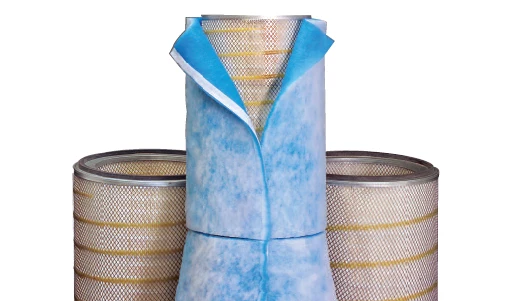
Dust collectors only run as good as the filters in them. Pressure drop climbs or dust starts getting past and the cartridge is usually the first thing you look at. OEM ones cost more. Compatible replacements that match the same size and media often do the same job for less money. Plant guys who buy these regular know the difference between cheap junk and ones that actually fit and hold up. Here’s the practical side.
Why Fit Beats the Brand Name
A dust collector filter cartridge has to seat right. Outer diameter, length, end caps, gaskets—all of it. Seal is off even a little and dirty air bypasses. Whole system suffers. OEM-compatible versions get made to the same measurements as the original. Donaldson Torit, Camfil, Clarcor, the usual ones. Drop in, same pulse cleaning, same airflow. Bad fit kills performance faster than media quality ever does. Measure twice or cross-reference the part number before you order.
Media Choices and What They Really Do
Cellulose-poly blends are the everyday ones. Fine for dry dust at normal temps. Spunbond polyester handles more moisture and abrasion. Nanofiber coatings catch finer particles and clean easier so pressure drop stays lower longer. PTFE membrane is the higher end for sticky or very fine dust. Right media depends on what you’re pulling out of the air. Metal grinding dust is different from wood or pharma powder. Wrong media loads up fast and the cleaning system can’t keep up. Compatible cartridges come in the same media options as the OEM ones.
Performance That Lines Up With Original
Good aftermarket filters get built on the same lines or to the same specs. Efficiency numbers, dust holding, pressure drop curves—they match. Some last longer because the media is newer. The ones that fall short are the no-name cheap ones that cut corners on media or construction. Stick with suppliers who publish the specs and stand behind the fit. In real plants the difference shows up in how often you change them and whether the collector keeps its airflow.
The Money Side
OEM markup is real. Same filter, different label, 20 to 50 percent higher is common. Compatible versions cut that out. Over a year of changeouts the savings add up, especially if you run more than one collector. Lifecycle cost matters more than the single unit price. Filter that lasts longer or cleans better at lower pressure drop saves energy and labor too. Plants that switched and watched the numbers usually stay with the compatible ones once they see the performance holds.
Where Cutting Oil Systems Come In
Some shops run both dry dust collection and wet processes. Cutting oil filtration systems handle the mist and fine metal particles from machining. Principles are similar—right media, good seal, steady pressure drop. People who already order dust collector filter cartridge replacements often look at the oil side too when they’re buying. Same suppliers sometimes cover both. Keeping the air and the coolant clean cuts machine wear and keeps the floor safer. Not the same product but the maintenance thinking carries over.
Mistakes That Cost Extra
Ordering by brand name only instead of exact dimensions. Putting standard cellulose into a high-moisture job. Ignoring the differential pressure gauge until the system is already struggling. Buying the cheapest option that “looks close.” Those fail early or let dust through. Good suppliers ask about the dust type, temperature, and moisture before they quote. Use that. Part number from the old cartridge is the fastest way to get the right match.
How to Spec and Order Without the Runaround
Pull the make and model of the collector. Note the current filter part number if it’s still readable. Tell the supplier the dust you’re handling and any temperature or moisture issues. Ask for the media options and expected life under your conditions. Compare the full price including shipping. Some stock the common sizes and ship quick. Custom or less common ones take longer. Once you have a solid cross-reference, reordering gets simple.
When OEM Still Makes Sense
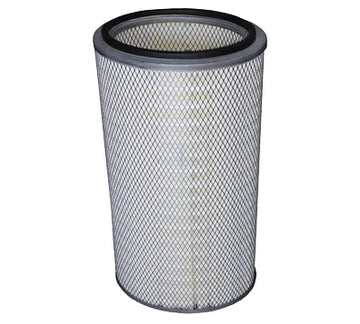
A few patented designs or very specialized media don’t have good matches yet. Warranty language sometimes pushes people back to OEM even though the law usually protects you if the replacement meets specs. If the collector is brand new and still under heavy warranty watch, some plants stick with OEM for the first cycle. After that most switch. Track your pressure drop and changeout intervals either way. Numbers tell you if the compatible version is doing the job.
Conclusion
OEM-compatible dust collector filter cartridges match the fit and performance of the originals in most cases and cost less. Right dimensions and the correct media keep the system running clean and efficient. Cheap imitations cause more problems than they solve. Value shows up over the full changeout cycle, not just the purchase price. Shops that also run cutting oil filtration systems often source both from the same reliable suppliers. Measure accurate, match the media to the dust, and the compatible route saves money without giving up airflow or filtration efficiency. Talk to a supplier who knows the cross-references and can speak to your specific dust load. That’s how the decision stays practical instead of guesswork.
FAQs
Do OEM-compatible dust collector filter cartridges fit the same?
Yes when they’re properly cross-referenced. Dimensions, end caps, and gaskets match so they seat and seal the same.
Is performance the same as OEM?
Quality ones match efficiency, pressure drop, and dust holding. Some newer media even last longer.
How much can you save?
Common range is 20 to 50 percent under OEM list depending on the brand and quantity.
What media works best for fine or sticky dust?
Nanofiber or PTFE membrane coatings handle finer particles and clean better than standard cellulose blends.
Can the same suppliers handle cutting oil filtration systems?
Many industrial filtration suppliers cover both dry dust cartridges and wet cutting oil systems. Ask when you order.
Will compatible filters void the collector warranty?
Generally no if the replacement meets the original specs. The Magnuson-Moss Act protects that in most cases.

 English
 Arabic
 French
 Spanish
 Portuguese
 Deutsch
 Turkish
 Dutch
Dutch
 Italiano
 Russian
 Romaian
 Portuguese (Brazil)
 Bengali