


Hockey Protective Equipment: Understanding Essential Player Safety Gear
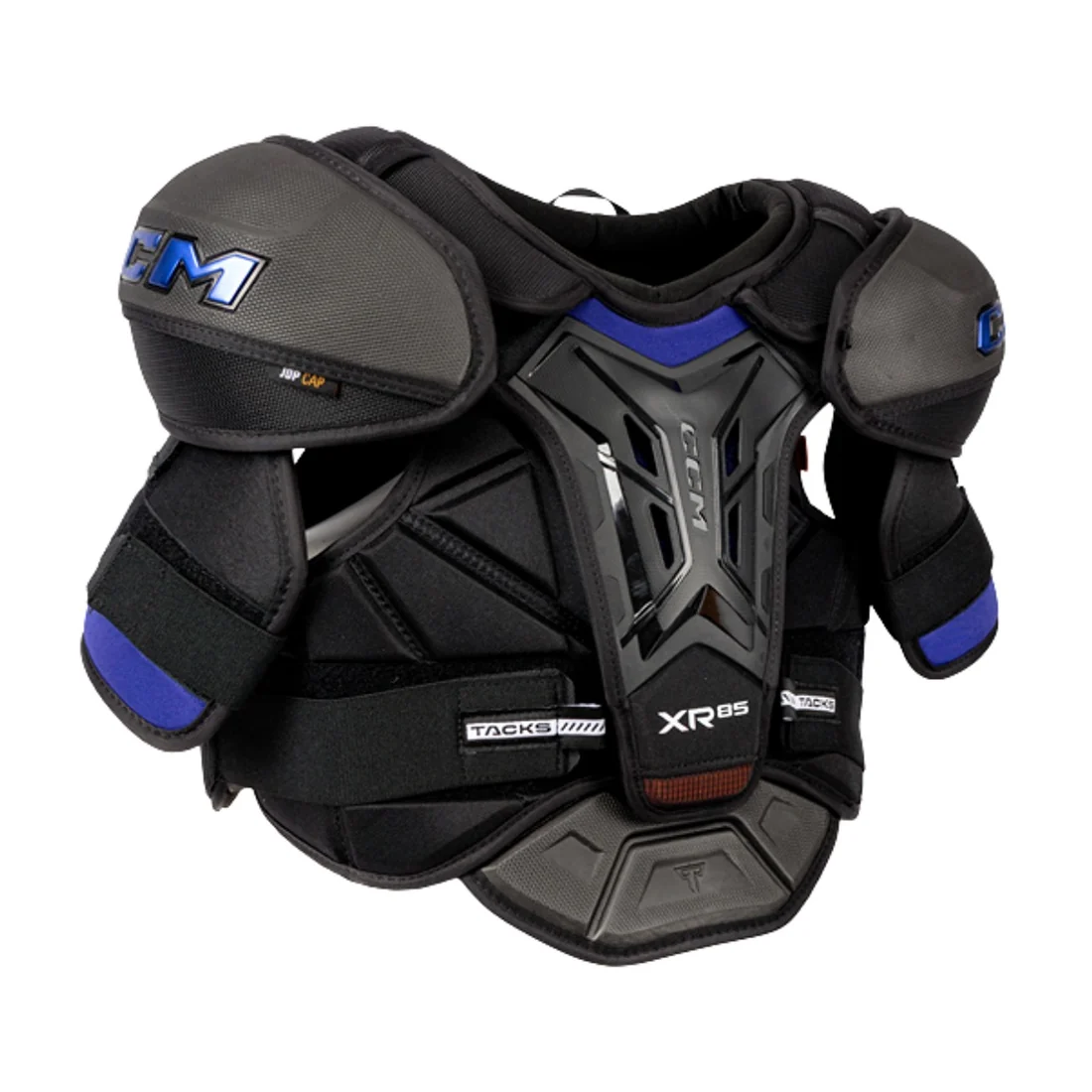
Ice hockey is a fast-paced sport that involves skating, puck handling, physical contact, and rapid changes in direction. Players need suitable equipment to help protect themselves during practices and games. Hockey Protective Equipment includes items such as helmets, gloves, shoulder pads, elbow pads, shin guards, and protective clothing designed for the demands of the sport. Understanding the purpose and fit of each component helps players, parents, and coaches make informed decisions about equipment selection and maintenance.
What Is Hockey Protective Equipment?
Hockey Protective Equipment refers to the protective gear worn by ice hockey players to help reduce exposure to common playing hazards, including impacts, falls, puck contact, and collisions with other players or equipment.
Different pieces of equipment protect different parts of the body. Helmets and facial protection cover the head and face, while pads and padded clothing are designed to protect areas such as the shoulders, elbows, hips, and lower legs. Requirements can vary by league, age group, and competition rules.
Essential Types of Hockey Protection
Helmets and Face Protection
A hockey helmet is designed to protect the head from certain impacts during play. Facial protection, such as a full cage or approved shield, can help protect the face and eyes from contact with sticks, pucks, and other hazards.
Players should follow their league's equipment requirements and check that the helmet fits correctly. A helmet should be maintained according to its manufacturer's instructions and replaced when necessary.
Shoulder Pads
Shoulder pads are designed to cover the shoulders and upper torso. Their construction may include protective cups, padding, and adjustable straps to help keep the equipment in position during movement.
The fit should allow comfortable arm movement without leaving intended protection areas improperly covered.
Elbow Pads
Elbow pads help protect the elbow joint and surrounding area during falls and contact. They commonly use padded sections and adjustable straps to keep the pad positioned correctly.
An elbow pad should remain secure while a player bends and extends the arm.
Hockey Gloves
Hockey gloves protect the hands, fingers, and wrists while allowing players to grip and control the stick. Padding and reinforced sections can vary by design.
The gloves should provide sufficient finger movement and a secure fit without interfering with stick handling.
Shin Guards and Padded Pants
Shin guards cover the lower legs and are designed to help protect them from puck impacts, sticks, and contact. Padded hockey pants or girdles provide coverage around the hips and thighs.
The size and placement of these items should be checked to ensure that the intended areas are covered while the player skates and moves.
Choosing Equipment That Fits Correctly
Correct fit is an important part of equipment selection. Equipment that is too large may shift during play, while equipment that is too small may leave areas insufficiently covered or restrict movement.
Players should follow sizing charts and manufacturer guidance when selecting equipment. Trying on the gear with hockey clothing and other equipment can also help identify fit issues before practice or competition.
USA Hockey emphasizes the importance of properly fitted equipment and recommends that players use gear designed specifically for ice hockey. Requirements should always be checked against the rules of the relevant league or organization.
Protective Equipment for Goalkeepers
Goalkeepers require specialized equipment because they face frequent shots and must move quickly across the goal crease. Their equipment may include a mask, chest protector, blocker, catching glove, leg pads, and protective pants.
Goalkeeper equipment differs from standard player equipment in its shape, coverage, and construction. The correct size and fit are important for movement, visibility, and coverage. Goalkeepers should check their competition rules for equipment specifications.
Neck Protection and Additional Safety Gear
Neck protection is another consideration in ice hockey. Some leagues require players in specific age groups to wear neck laceration protectors during games and practices. For example, USA Hockey introduced a requirement effective August 1, 2024, for several non-adult player categories and certain officials. Requirements differ across organizations, so players should consult their current league rules.
Depending on league rules and individual needs, additional equipment may include a mouthguard, protective cup, cut-resistant apparel, or other approved protective items.
Equipment Inspection and Maintenance
Regular inspection helps players identify equipment that may need repair or replacement. Before playing, they can check straps, fasteners, padding, seams, helmet components, and other parts for visible wear or damage.
Equipment should be cleaned and dried according to the manufacturer's instructions. Damp gear should be allowed to dry properly between sessions, and damaged items should be assessed before being used again. Protective equipment should not be modified in ways that affect its fit or certification.
Sportsexcellence and Hockey Equipment
Sportsexcellence is associated with sporting goods and equipment for different sports, including hockey. When reviewing hockey gear, players and families can compare equipment categories, sizes, construction details, and intended uses.
The selection process should focus on the player's age, level of play, league requirements, and fit. Product descriptions and sizing guidance can help users understand the differences between equipment options.
Conclusion
Hockey protective gear serves different purposes, from covering the head and face to protecting the shoulders, elbows, hands, hips, and lower legs. Each component should fit correctly, remain in good condition, and meet the rules of the player's league.
Understanding equipment functions, checking fit, following manufacturer instructions, and reviewing current competition requirements can help players prepare for practices and games with greater awareness of safety considerations.

 Arabic
 French
 Spanish
 Portuguese
 Deutsch
 Turkish
 Dutch
Dutch
 Italiano
 Russian
 Romaian
 Portuguese (Brazil)
 Greek
Greek
 Bengali