


What Is the Difference Between Eyelid Fat Prolapse and Under-Eye Swelling?
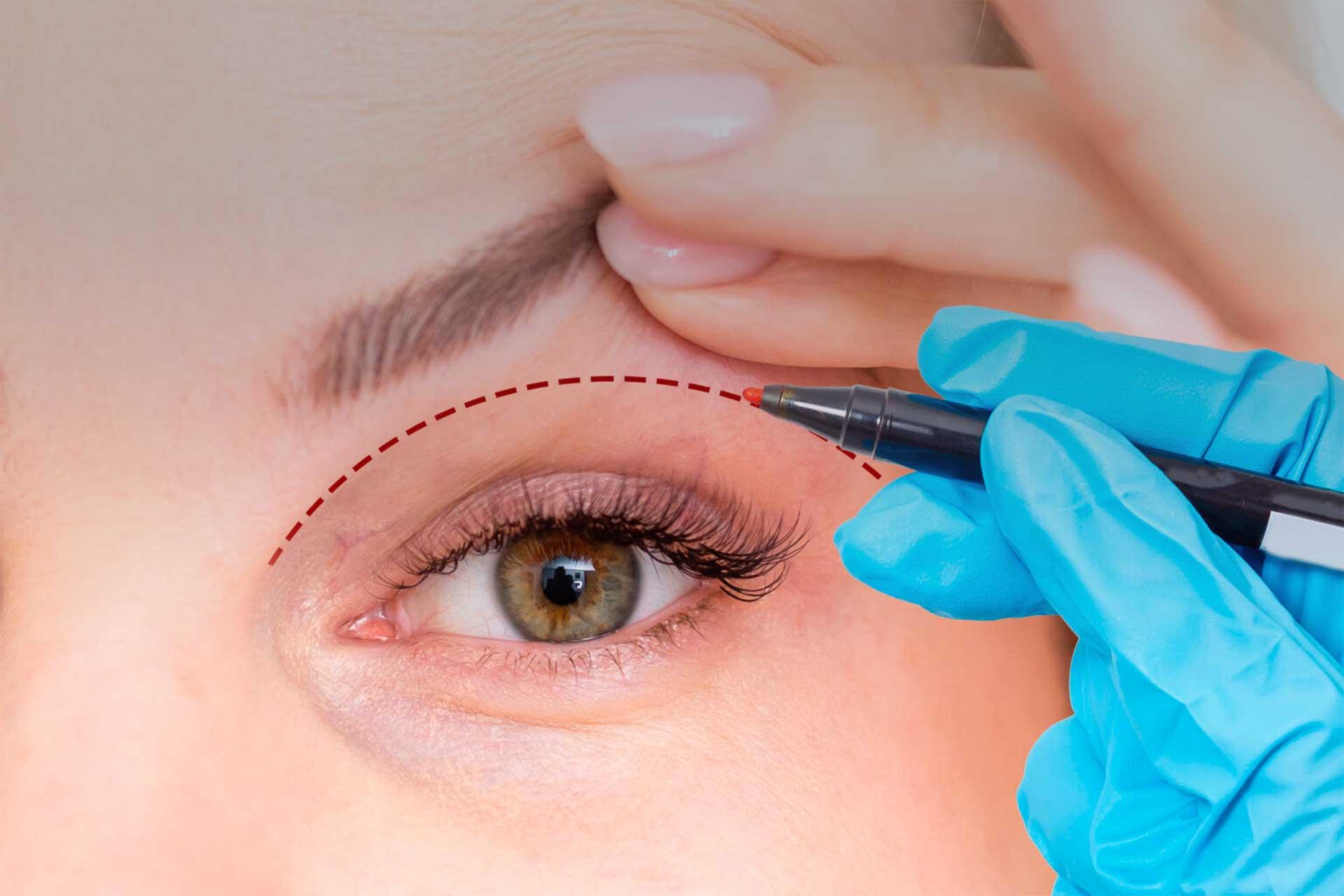
Have you ever noticed puffy areas beneath your eyes that make you look tired, even after a full night's sleep? Sometimes, these changes are caused by temporary swelling, while in other cases, they result from fat that has become more prominent around the lower eyelids. Although both concerns can look similar, they have different causes and may require different approaches.
Understanding the difference between eyelid fat prolapse and under-eye swelling can help you decide what to discuss with a healthcare professional. For people considering Eyelid Surgery in Islamabad, recognising the source of under-eye puffiness is an important step towards choosing an appropriate treatment.
What Is Eyelid Fat Prolapse?
Eyelid fat prolapse occurs when the natural fat compartments surrounding the eye become more prominent beneath the lower eyelid. These fat compartments normally help cushion and protect the eyeball, but changes in the supporting tissues can allow them to bulge forward.
The condition often becomes more noticeable with age as the tissues around the eyes gradually change. Genetics can also influence how early under-eye bags develop and how prominent they appear.
Eyelid fat prolapse is usually associated with a persistent bulge rather than temporary fluid accumulation. The puffiness may remain visible throughout the day and can create a rounded or bag-like appearance beneath the eyes.
What Is Under-Eye Swelling?
Under-eye swelling refers to an increase in fluid or inflammation in the tissues around the lower eyelids. It can occur temporarily and may become more noticeable after waking up, eating a salty meal, experiencing allergies, or getting insufficient sleep.
Fluid can accumulate in the delicate tissues around the eyes, creating a puffy appearance that may change throughout the day. In many cases, mild swelling improves as the underlying cause settles.
Under-eye swelling is not always caused by excess fat. Allergies, irritation, infections, certain medications, and some medical conditions can also contribute to puffiness, so persistent or unusual swelling should not automatically be treated as a cosmetic concern.
Eyelid Fat Prolapse vs Under-Eye Swelling: The Main Difference
The main difference is what causes the puffiness and how it behaves over time. Fat prolapse involves prominent fat compartments, while swelling generally involves fluid accumulation or inflammation in the surrounding tissues.
Fat-related under-eye bags tend to remain relatively consistent, although their appearance can change slightly with facial position and lighting. Fluid-related puffiness may fluctuate, appearing more noticeable in the morning and improving later in the day.
The appearance alone cannot confirm the cause. Some people have both prominent under-eye fat and fluid retention, which is why a proper assessment can be more useful than relying on photographs or home observations.
What Causes Eyelid Fat Prolapse?
Several factors can contribute to prominent lower eyelid fat. Age-related changes in the tissues supporting the fat compartments are common, while inherited facial anatomy can make under-eye bags visible at a younger age.
Some people naturally have fuller lower eyelids because of how their facial structures are shaped. Others develop more noticeable bags as the tissues around the eyes change over time.
Genetics and natural anatomy can influence under-eye appearance as much as ageing does. This explains why prominent lower eyelid bags can occur even in people who maintain healthy sleep, hydration, and skincare routines.
What Causes Under-Eye Swelling?
Under-eye swelling has a wider range of potential causes. Temporary fluid retention may follow poor sleep, high salt intake, or sleeping in a position that encourages fluid accumulation around the face.
Allergies can also cause swelling, particularly when accompanied by itching, redness, or watery eyes. Irritation from cosmetics and skincare products may contribute, while persistent swelling can sometimes be associated with infections or underlying health conditions.
Treating the cause of swelling is more important than simply trying to reduce its appearance. If puffiness is persistent, painful, one-sided, or associated with other symptoms, a healthcare professional should assess it before any cosmetic treatment is considered.
How Can You Tell Which Condition You Have?
Observing when the puffiness appears and whether it changes during the day can provide useful clues, but it cannot establish a diagnosis. Persistent, rounded bags may suggest prominent fat, whereas swelling that fluctuates may be related to fluid retention or inflammation.
A qualified healthcare professional can examine the lower eyelids, surrounding skin, and facial structures to identify likely causes. They may also ask about allergies, medications, sleep habits, medical history, and any accompanying symptoms.
A professional assessment is especially important before considering surgery. Under-eye puffiness caused by an allergy or another medical condition should be managed according to its cause rather than treated as excess fat.
Eyelid Surgery in Islamabad: What Treatment Options Are Available?
Treatment depends on the underlying problem. If prominent lower eyelid fat is responsible for persistent bags, a surgeon may discuss lower blepharoplasty, which can involve carefully removing or repositioning fat to improve the transition between the lower eyelid and cheek.
When swelling is caused by fluid retention or allergies, surgery generally does not address the underlying cause. Treatment may instead involve managing the trigger, adjusting skincare habits, or receiving medical care where appropriate.
People considering Eyelid Surgery in Islamabad should understand the difference before choosing a procedure. During a consultation, the surgeon may discuss:
- The underlying cause: Whether the puffiness is associated with fat prolapse, fluid retention, loose skin, or a combination of factors.
- Suitable treatment options: Whether surgery, conservative care, or assessment by another healthcare professional is more appropriate.
- Expected results: What improvement may be possible and which concerns may remain after treatment.
- Potential risks: Including bruising, swelling, asymmetry, dry eyes, changes in lower eyelid position, and other procedure-specific complications.
- Recovery and follow-up: How healing will be monitored and when normal activities may be resumed.
The best treatment plan is based on an accurate assessment rather than the appearance of puffiness alone. Not everyone with under-eye bags needs surgery, and the benefits should be weighed against the possible risks.
Can Skincare or Home Remedies Help?
Some simple measures may help reduce mild, temporary under-eye swelling. Getting adequate sleep, moderating salt intake, managing known allergies, and using a cool compress may improve puffiness caused by fluid accumulation.
Gentle skincare and sun protection can also support the appearance and health of the surrounding skin. However, creams and home remedies cannot reliably remove or reposition prominent fat compartments beneath the eyes.
A treatment that helps fluid-related puffiness may have little effect on fat prolapse. Avoid applying harsh products near the eyes or using unverified remedies that promise to eliminate under-eye bags permanently.
When Should You Seek Medical Advice?
Occasional mild puffiness is common, but persistent swelling deserves attention when its cause is unclear. A healthcare professional can determine whether the problem is cosmetic or related to another condition that needs treatment.
Seek urgent medical attention if swelling develops suddenly with severe pain, fever, significant redness, double vision, or changes in eyesight. Swelling accompanied by difficulty breathing or swelling of the lips or tongue may indicate a serious allergic reaction and requires emergency care.
Eye health should always come before cosmetic improvement. Identifying the cause early can help you avoid unsuitable treatments and receive appropriate care.
What Should You Know Before Choosing Eyelid Surgery?
Lower eyelid surgery can improve the appearance of selected patients with prominent fat bags, but it cannot stop the natural ageing process or guarantee perfectly smooth under-eye skin. The outcome depends on individual anatomy, skin quality, surgical technique, and healing.
A consultation should cover your expectations, medical history, eye health, and possible complications. It is also important to ask whether fat removal or fat repositioning is more suitable for your anatomy.
A natural-looking result depends on careful planning and realistic expectations. The objective is to create a balanced transition between the lower eyelid and cheek while preserving eyelid function.
Final Thoughts
Eyelid fat prolapse and under-eye swelling may look alike, but they have different causes and require different approaches. For Eyelid Surgery in Islamabad, Dynamic Clinic PK offers professional expertise, board-certified surgeons, and advanced surgical techniques to help patients understand their under-eye concerns and explore suitable treatment options based on individual assessment.
Meta Description
Learn the difference between eyelid fat prolapse and under-eye swelling, and explore treatment options with Eyelid Surgery in Islamabad.

 English
 Arabic
 French
 Spanish
 Portuguese
 Deutsch
 Turkish
 Italiano
 Russian
 Romaian
 Portuguese (Brazil)
 Greek
Greek
 Bengali