


Sigma Gas Tight Valve Manufacturer in India
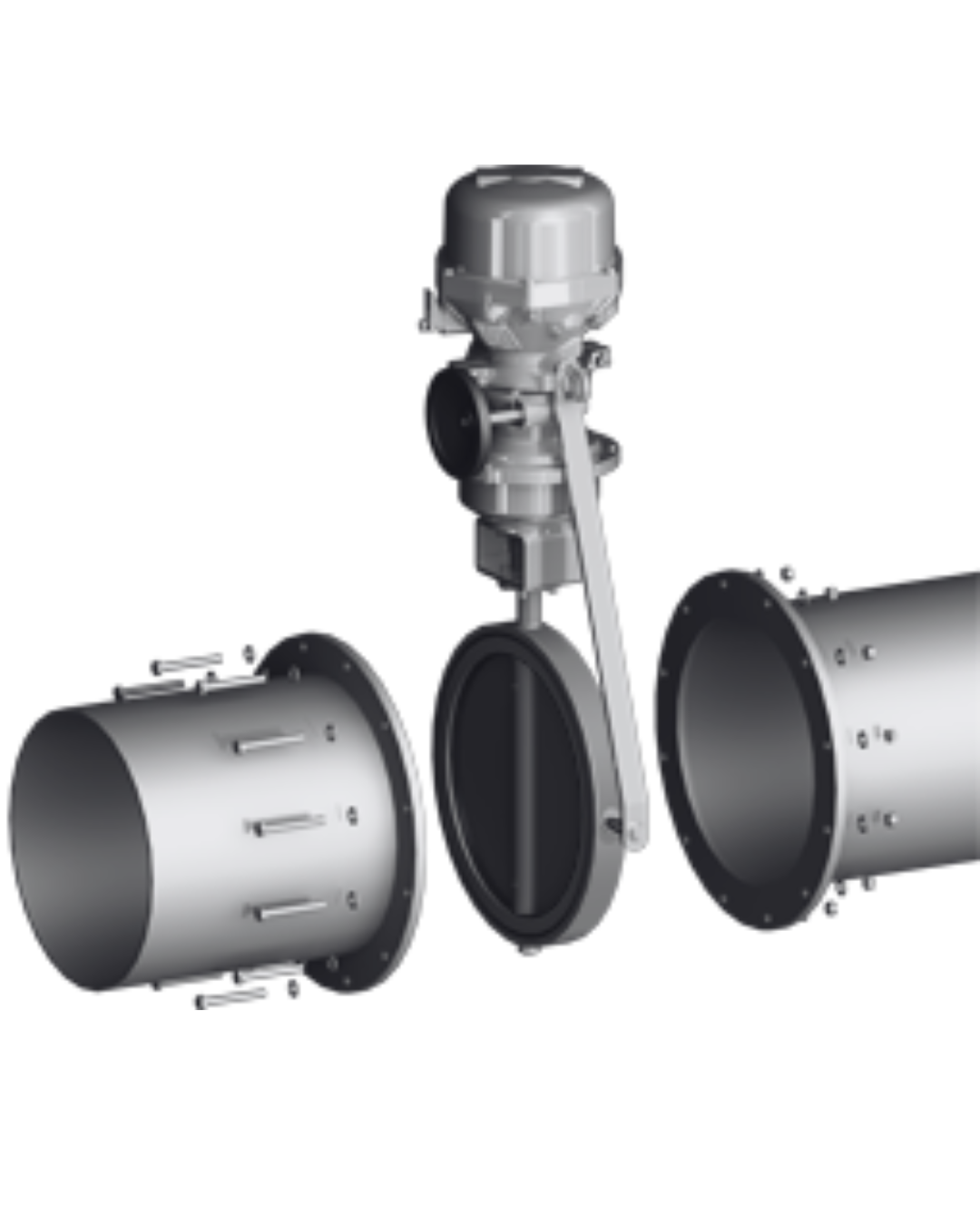
A hazardous chemical leak occurs inside a processing plant located next to an underground control room. Within moments, the ventilation system must isolate contaminated air before it reaches operators or emergency personnel. In such critical situations, a gas tight valve is not just another HVAC component—it becomes a life-saving barrier that prevents toxic gases from entering protected spaces. Whether installed in a defence bunker, industrial facility, or CBRN shelter, choosing a reliable manufacturer is essential for ensuring long-term safety, performance, and regulatory compliance.
Understanding Gas-Tight Valves
A gas-tight valve is a specialised isolation valve engineered to stop airflow with extremely low leakage rates. Unlike conventional dampers that regulate ventilation, gas-tight valves are designed to completely isolate sections of a ventilation system whenever hazardous gases, smoke, or airborne contaminants are detected.
These valves are widely used in critical environments where maintaining clean air is essential. From military shelters and underground command centres to pharmaceutical plants and nuclear facilities, a high-quality gas tight valve plays a vital role in protecting both people and infrastructure.
How Gas-Tight Valves Work
During normal operation, gas-tight valves remain open, allowing fresh air to circulate through the ventilation network.
When an emergency occurs, the valve closes using a manual handle, electric actuator, pneumatic actuator, or spring-return mechanism. Once activated, precision-engineered sealing surfaces compress tightly against the valve body to create an airtight seal with minimal leakage.
The valve remains securely closed until authorised personnel intentionally reopen it after the hazardous condition has been eliminated. This dependable sealing mechanism makes gas-tight valves a critical component of protective ventilation systems.
Top Features of a Reliable Gas Tight Valve Manufacturer
Selecting the right Gas tight valve manufacturer requires evaluating both product quality and engineering expertise. The following features distinguish trusted manufacturers from ordinary suppliers.
Precision Sealing Technology
The primary function of a gas-tight valve is preventing air leakage. Reliable manufacturers use precision-machined sealing surfaces, high-performance gaskets, and rigorous quality control processes to achieve extremely low leakage rates even under demanding operating conditions.
High Pressure Resistance
Ventilation systems in industrial and defence facilities often experience varying pressure conditions. A dependable manufacturer designs valves capable of maintaining structural integrity and sealing performance during pressure fluctuations and emergency overpressure events.
Corrosion-Resistant Construction
Industrial plants, coastal installations, and chemical facilities expose equipment to moisture and aggressive chemicals. High-quality stainless steel, protective coatings, and corrosion-resistant materials significantly extend service life while reducing maintenance requirements.
Reliable Actuation Options
A professional manufacturer offers manual, electric, pneumatic, and spring-return actuation systems to match different operational requirements. Reliable actuation ensures rapid valve closure during emergencies, even under challenging operating conditions.
Emergency Durability
Gas-tight valves must continue performing after years of service. Manufacturers should validate repeated operating cycles, mechanical strength, and sealing reliability to ensure dependable performance whenever an emergency occurs.
Integration with Protective Ventilation
Modern protective facilities rely on integrated systems rather than standalone components. Reliable manufacturers design valves that work seamlessly with filtration units, overpressure systems, and Gas tight valve HVAC installations for complete contamination control.
Where Gas-Tight Valves Are Used
Gas-tight valves protect a wide variety of high-risk environments.
In defence infrastructure, a Gas tight valve for bunker helps isolate military bunkers, underground command centres, and Gas tight valve CBRN shelter ventilation systems from hazardous airborne threats.
Commercial and industrial buildings incorporate Gas tight valve HVAC systems to isolate contaminated ventilation zones while maintaining clean airflow in protected areas.
Chemical processing plants, pharmaceutical manufacturing facilities, oil refineries, and hazardous material storage facilities depend on these valves to prevent dangerous gases from spreading through ventilation systems.
Critical infrastructure, including nuclear facilities, government research laboratories, emergency response centres, and high-security installations, also requires dependable gas-tight isolation to maintain operational continuity during hazardous events.
Factors Affecting Gas Tight Valve Price in India
Several engineering considerations influence Gas tight valve price, making product quality far more important than initial purchase cost alone.
Material selection plays a major role. Premium stainless steel and advanced corrosion-resistant coatings increase durability and long-term reliability.
The actuation method also impacts pricing. Manual valves generally cost less than electric or pneumatic models, while automated systems provide faster emergency response and remote operation capabilities.
Precision manufacturing and certified low-leakage performance require specialised machining, testing, and validation, which contribute to overall cost.
Custom engineering for unique duct dimensions, pressure ratings, and installation requirements also affects pricing.
Compliance with recognised testing standards and installation complexity further influence project costs. Investing in quality usually reduces maintenance expenses and improves operational reliability throughout the system's lifespan.
How to Choose Gas-Tight Valve Manufacturers in India
Buyers should evaluate manufacturers based on their technical capability rather than marketing claims alone.
Experience in CBRN protection systems, defence infrastructure, and industrial ventilation demonstrates practical knowledge of demanding applications.
Manufacturers should provide complete engineering support for integrating valves with filtration units, pressure control systems, and ventilation networks.
Independent leakage-rate testing, pressure validation, and documented quality assurance indicate consistent manufacturing standards.
Compliance with recognised industry certifications provides additional confidence in product performance and reliability.
The ability to customise valve dimensions, pressure classes, and actuation systems ensures compatibility with specific project requirements.
Strong after-sales technical support, commissioning assistance, maintenance guidance, and spare parts availability are equally important. Solutions such as Sigma Power Tech Gas tight valve products are commonly selected for projects requiring engineered integration with protective ventilation infrastructure and long-term operational support.
Common Mistakes to Avoid
One of the biggest mistakes is selecting products based only on Gas tight valve price instead of sealing performance and reliability.
Many buyers also overlook compatibility with existing HVAC and filtration systems, leading to installation challenges and reduced efficiency.
Ignoring actuation reliability during power failures can compromise emergency response, especially in critical facilities.
Using ordinary dampers instead of certified gas-tight valves in hazardous environments significantly increases contamination risks.
Finally, neglecting routine inspection, maintenance, and periodic leakage testing can gradually reduce valve performance and compromise overall system protection.
Conclusion
A reliable gas-tight valve manufacturer delivers far more than a mechanical component. They provide engineering expertise, validated sealing performance, durable construction, and dependable integration with protective ventilation systems. By evaluating technical capability, testing standards, customisation options, and long-term support instead of focusing solely on price, organisations can build safer facilities that maintain airtight isolation during emergencies. Investing in high-quality gas-tight valves ultimately strengthens contamination control, protects critical infrastructure, and ensures reliable performance across defence, industrial, and CBRN applications for many years.

 Arabic
 French
 Spanish
 Portuguese
 Deutsch
 Turkish
 Dutch
Dutch
 Italiano
 Russian
 Romaian
 Portuguese (Brazil)
 Greek
Greek
 Bengali