


Round Ferrite Magnets for Practical Design Solutions
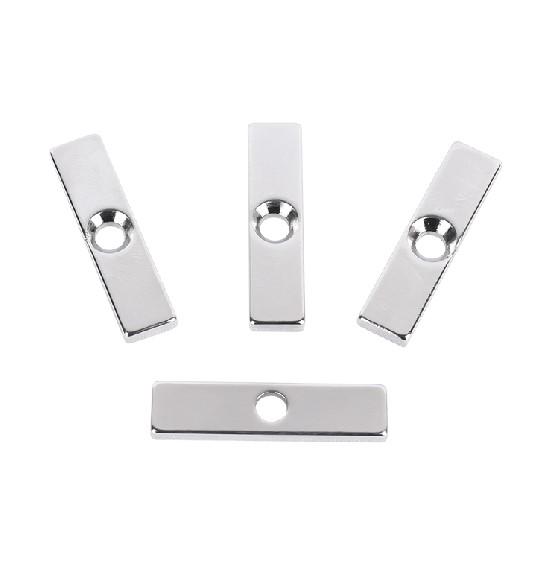
When product teams need a straightforward magnetic component, material choice can influence cost, assembly, and long-term usability. Round Ferrite Magnets offer a practical option for designs that require permanent magnetic properties without relying on more expensive materials in every application. By evaluating Round Ferrite Magnets in the context of product function, installation space, and operating conditions, manufacturers can identify suitable components for everyday products and industrial assemblies. The key is to understand how the magnet will be used, rather than selecting a size based on appearance alone.
Supporting Simple and Functional Product Designs
Round magnets can fit naturally into products with circular recesses, compact housings, or symmetrical layouts. Their shape may be useful for magnetic closures, positioning features, small fixtures, and components that need to stay in a defined location. Designers can often plan the mounting area around a consistent diameter and thickness.
However, the surrounding structure should be considered from the beginning. The magnet needs enough space for installation, while its distance from the target surface can affect the magnetic connection. Product developers should also account for any adhesive, cover, or protective holder. These small design decisions can make the difference between an easy-to-assemble product and one that requires repeated adjustments.
Balancing Material Costs and Performance
Ferrite is widely used in permanent magnet applications where practical performance and material cost are important considerations. It can be suitable for products that do not require the high magnetic strength of certain alternative materials. This makes it worth considering for applications such as household accessories, magnetic holders, and selected industrial components.
Still, cost should not be the only deciding factor. The required holding force, available installation space, temperature exposure, and mechanical conditions all influence material selection. If a design needs strong attraction within a very limited area, engineers may need to compare different magnet types before making a decision. Defining the actual performance requirement helps avoid choosing a component that is either unsuitable or unnecessarily expensive.
Planning for Handling and Product Protection
Ferrite magnets are hard but brittle, which means they can chip or crack under excessive impact or pressure. This property should be considered during storage, transportation, and assembly. A magnet that is handled roughly may be damaged before it reaches the finished product, creating avoidable waste.
Protective housings and suitable mounting arrangements can help reduce direct impact. Assembly openings should be designed to avoid forcing the magnet into a space that is too small. Where adhesives are used, the bonding process should suit both the magnet and the surrounding material. Clear handling instructions can also help production teams install components consistently, especially when many units are assembled in one run.
Exploring Magnet Options with ML Magnet
Before requesting a quotation, buyers should prepare basic technical information about the intended application. Useful details include the required diameter and thickness, the mounting method, expected operating conditions, order quantity, and any specific magnetic performance needs. A drawing or sample can help explain installation constraints that are difficult to communicate in words.
ML Magnet provides a starting point for businesses exploring ferrite magnet products for different designs. Buyers can confirm available dimensions, tolerances, packaging, and inspection arrangements before placing an order. For recurring production, maintaining a clear record of approved specifications helps reduce confusion between batches and makes supplier communication more efficient. This preparation also gives purchasing teams a more consistent basis for comparing available options.
Checking Fit Before Production Expands
Testing a sample in the actual product can reveal issues that may not appear in a standalone magnet test. Engineers should check whether the component fits its mounting area, delivers the intended attraction, and remains secure during normal use. If the magnet works through a cover or coating, the test should include that material and the actual gap.
Feedback from assembly staff can be useful as well. Difficult insertion, inconsistent positioning, or damage during installation may indicate that the mounting design needs adjustment. Making changes during the prototype stage is generally easier than correcting a problem after a large production batch has been completed. A simple test plan helps teams verify essential requirements before moving forward.
Choosing the right ferrite magnet means balancing design requirements, material cost, installation conditions, and expected performance. Clear specifications and sample testing help manufacturers make informed decisions while reducing avoidable changes during production. To explore ferrite magnet products and available options, visit https://www.mlmagnet.com/

 English
 Arabic
 French
 Spanish
 Portuguese
 Deutsch
 Dutch
Dutch
 Italiano
 Russian
 Romaian
 Portuguese (Brazil)
 Greek
Greek
 Bengali