


Is There a Better Way to Enjoy Bread on a Low-Carb Diet?
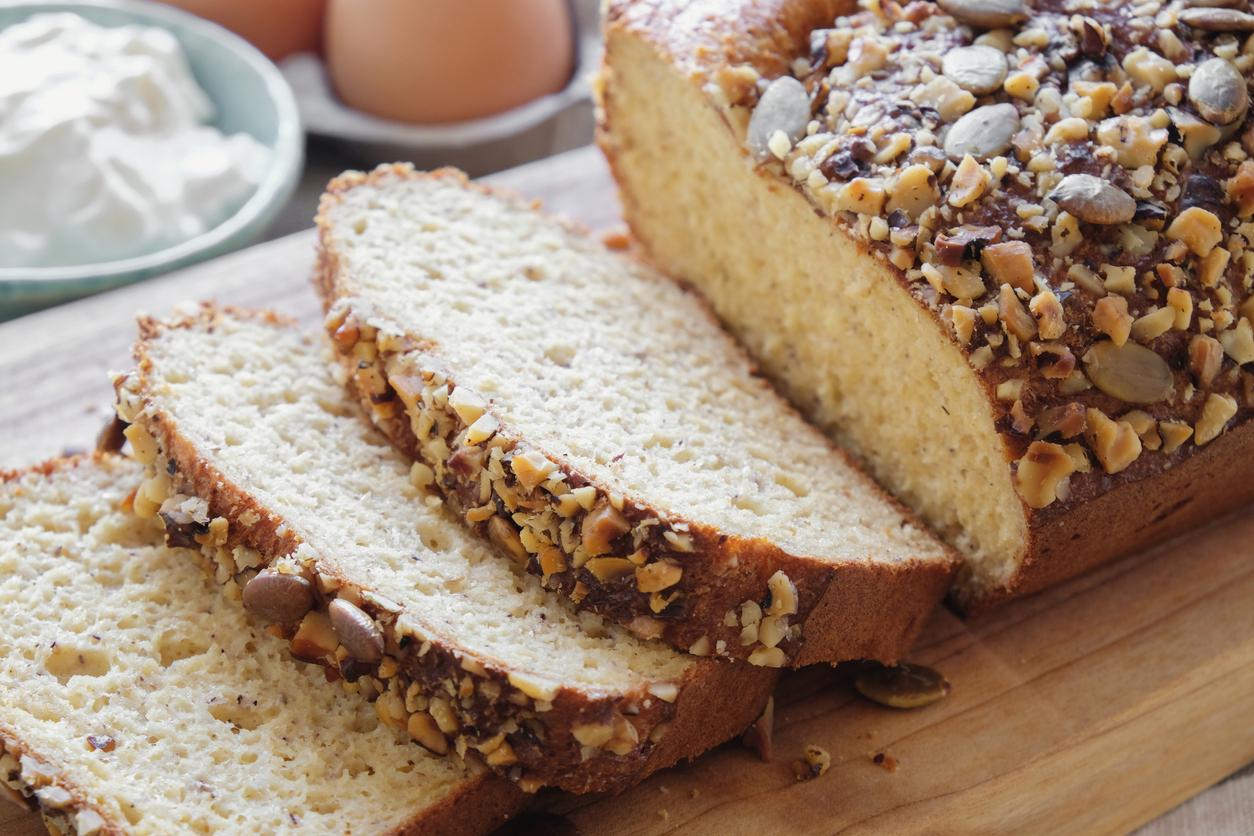
Giving up bread can be one of the hardest parts of changing eating habits. From morning toast to lunchtime sandwiches, bread is a familiar part of everyday meals. When reducing carbohydrate intake becomes a priority, however, traditional bread may no longer fit comfortably into a person's daily nutritional goals.
The good news is that enjoying bread and being mindful of carbohydrates do not have to be mutually exclusive. With thoughtfully selected low carb breads, it is possible to keep favorite meals on the menu while paying closer attention to nutritional content, ingredients, and portion sizes.
Rethinking Bread Without Giving Up Its Familiar Comfort
Bread is more than a source of carbohydrates. It provides convenience, texture, and versatility that make everyday meals easier to prepare. The challenge is finding an option that fits individual dietary preferences without losing the qualities that make bread enjoyable.
Low Carb Avenue focuses on bread and baked goods designed around different nutritional priorities, including lower net carbohydrates, protein, fiber, and calories. Its product selection offers alternatives for people who want to rethink their bread choices while still enjoying familiar foods.
Rather than removing bread from every meal, a more practical starting point is to compare available options and understand what each loaf offers.
What Makes Low-Carb Bread Different?
The main distinction is its nutritional composition. Traditional bread made primarily with conventional flour can contribute a substantial amount of carbohydrates per serving. Low-carb alternatives use different ingredient combinations and formulations to reduce the net carbohydrate content.
Low Carb Avenue's range includes breads made with ingredients such as high-fiber wheat flour, wheat protein, almond flour, oat fiber, flaxseed, and olive oil, depending on the product.
These ingredients serve different purposes, from contributing protein and fiber to helping create the texture and flavor expected from bread.
When comparing products, it is useful to examine the nutrition label rather than relying on the product name alone. Total carbohydrates, dietary fiber, serving size, protein, and calories can all help determine whether a particular loaf suits an individual's eating plan.
How to Choose Bread That Fits Your Goals
Not everyone approaches a low-carb diet in the same way. Some people focus primarily on net carbohydrates, while others also consider protein, calories, ingredients, or taste.
Here are three factors worth considering when choosing bread.
1. Look Beyond the Carbohydrate Number
Net carbohydrates are often considered by people following low-carb or ketogenic eating patterns. They are commonly calculated by subtracting dietary fiber from total carbohydrates, although individual products and labeling practices should be reviewed carefully.
Check the serving size and the full nutrition panel before making a comparison. This helps avoid choosing a product based on a headline number that does not tell the whole nutritional story.
2. Consider Protein and Fiber
Bread can contribute more to a meal than carbohydrates alone. Protein is an important nutrient, while fiber can be a valuable part of a balanced eating pattern.
For example, Low Carb Avenue offers multigrain bread with 1 gram of net carbohydrates and 7 grams of protein per slice, according to its product information. Individual products differ, so the package label remains the best reference for the exact bread being purchased.
3. Choose a Texture You Enjoy
A nutritional profile is only one part of the decision. If bread is going to remain a regular part of meals, taste and texture matter, too.
Some people prefer a soft sandwich loaf, while others enjoy a heartier multigrain slice or a crusty sourdough. Choosing a style that suits the meals you actually prepare can make a new eating routine feel more natural.
Can Low-Calorie Bread Make a Difference?
Carbohydrate intake and calorie intake are related to overall food choices, but they are not the same thing. Someone watching calories may have different priorities from someone primarily monitoring carbohydrates.
That is where low calorie bread can be worth considering. Low Carb Avenue lists bread options with around 60 calories per slice, with nutritional details varying by product.
A lower-calorie slice can be useful for people comparing bread options as part of a calorie-conscious eating pattern. However, the total meal still matters. Toppings, spreads, fillings, and serving sizes all contribute to the overall nutritional value.
The goal is not simply to choose the lowest number on a label. It is to find an option that fits your preferences and works with the rest of your meals.
Why Sourdough Deserves a Place in the Conversation
For people who enjoy a more distinctive bread flavor, low carb sourdough bread offers another style to explore.
Low Carb Avenue's sourdough range includes loaves described as having a crisp crust and a soft, chewy interior. Its product information lists certain sourdough varieties at 3 grams of net carbohydrates, 6 grams of protein, and 3 grams of fiber per slice.
These details can make a sourdough option worth comparing with other breads, particularly for people who value both flavor and nutritional composition.
It is important to remember that sourdough is not automatically low in carbohydrates. Traditional sourdough can still contain substantial carbohydrates, so the specific ingredients and nutrition facts matter more than the name alone.
Simple Ways to Enjoy Low-Carb Bread
Once the right loaf has been selected, incorporating it into everyday meals does not need to be complicated.
-
Breakfast: Toast a slice and pair it with toppings that complement your nutritional goals.
-
Lunch: Use a suitable bread for a sandwich with vegetables and a protein source.
-
Afternoon snack: Enjoy a slice with a topping that fits your preferences and portion needs.
-
Dinner: Serve bread alongside soup, salad, or another meal component.
These ideas keep bread practical and versatile. They also make it easier to think about the complete meal instead of treating one ingredient as the sole measure of its nutritional quality.
Finding a Bread Option That Works for You
There is no single bread that suits every person or eating pattern. The best choice depends on nutritional needs, ingredient preferences, taste, and how bread fits into the rest of the diet.
Low Carb Avenue offers a range of bread and baked goods for people exploring lower-carbohydrate and protein-conscious options. Comparing its varieties can help shoppers identify products that align with their priorities without automatically giving up familiar meals.
Ultimately, a better way to enjoy bread on a low-carb diet begins with informed choices. By checking nutrition labels, considering protein and fiber, and choosing a texture that makes meals enjoyable, bread can remain a flexible part of a more carbohydrate-conscious lifestyle.

 English
 Arabic
 French
 Spanish
 Portuguese
 Turkish
 Dutch
Dutch
 Italiano
 Russian
 Romaian
 Portuguese (Brazil)
 Greek
Greek
 Bengali