


Contrast Therapy at Home: A Safe Routine for Beginners
Contrast therapy sounds simple: get hot, get cold, repeat. In practice, beginners often ask the same questions. How long should each phase last? How cold is too cold? Should you finish on heat or cold? And what does the research actually say about benefits?
This guide gives a cautious, practical routine for beginners, explains temperatures and timing, covers safety points that matter and lists the mistakes that cause problems. It's general information, not medical advice, and anyone with health concerns should speak to a doctor before starting.
What Is Contrast Therapy, and What Does the Evidence Say?
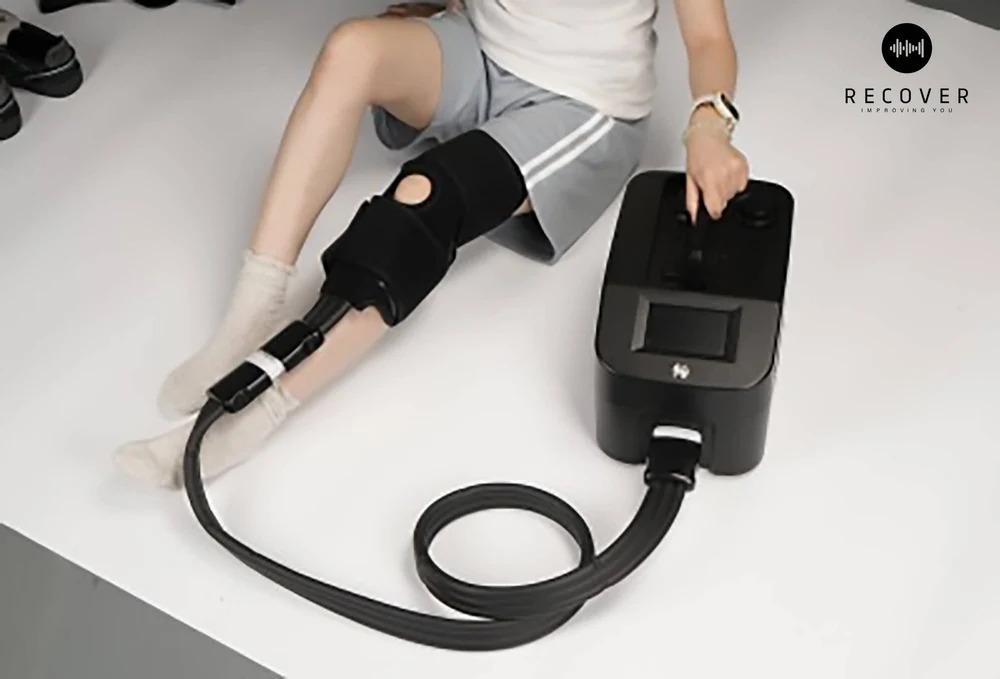
Contrast therapy alternates heat and cold exposure in one session. At home, that usually means a sauna followed by a cold plunge, though a hot shower and cold tub, or a hot and cold compression device for a single joint, can also work.
People often describe feeling relaxed and alert afterwards. The research is more modest. Some studies suggest contrast water immersion may reduce perceived muscle soreness compared with rest, but the benefit over cold alone is unclear.
The popular claim that alternating hot and cold "pumps" blood or fluid through the body is not well proven. A sensible approach is to treat contrast therapy as a routine you enjoy and judge it by how you feel over several weeks.
A Simple Beginner Routine
A common starting pattern is 10–15 minutes of heat, one to three minutes of cold, then a short rest, repeated for two rounds. Experienced users sometimes do three, but beginners don't need to.
Cut the first session shorter than that if you're new to either heat or cold. Five to ten minutes in the sauna and a brief plunge is a perfectly good start. Build up over several weeks rather than days.
Finish whichever way feels better. Some people end on cold for alertness, while others end on heat to relax before bed. Then rest, rehydrate and let your body settle before getting on with your day.
Temperatures and Timing
Traditional saunas typically run around 70–100°C, while infrared cabins often run lower in air temperature. You don't need the hottest setting to benefit, so choose a level you can tolerate comfortably.
For the cold phase, many beginner guides suggest water around 10–15°C. Much colder water raises the shock to the body without clear extra benefit, and the lowest temperatures a chiller can reach are not a target.
Timing matters. If you're building muscle, some research suggests cold immersion straight after strength training may blunt muscle-growth adaptations, so you might prefer to use it on rest days or separate it from lifting by several hours.
Safety Points That Matter
Hydrate before and after, and avoid alcohol, which raises the risk of dehydration, fainting and poor judgement. Don't use heat or cold when you feel unwell, feverish or very tired.
Move carefully between phases. Wet, hot skin and cold water make slips more likely, and some people feel dizzy when they stand up quickly after heat. Sit if you feel lightheaded, and don't plunge alone until you're confident.
Anyone who is pregnant, or who has heart disease, high or low blood pressure, circulation problems or another medical condition, should speak to a doctor first. Stop immediately if you feel chest pain, severe dizziness, confusion or difficulty breathing.
Setting Up for Consistency
A routine you can repeat easily is worth more than a perfect one you avoid. Keep towels, water, a timer and a seat within reach, and make the route between hot and cold short and clear.
If you're planning to buy equipment, think about how often you'd really use it. A system built for daily use needs adequate power, drainage and maintenance, and suppliers should be able to explain all three. You can see how a packaged option is described in contrast therapy systems for home use, including a portable hot and cold compression unit and a sauna and ice bath package.
Recover is one UAE retailer listing these, and it's worth comparing specifications and warranty terms with other suppliers before deciding.
Frequently Asked Questions
How long should a contrast therapy session last?
Beginners often aim for 20–30 minutes in total, including two rounds of heat and cold. Shorten it if you're new, and build up gradually.
Should I end on hot or cold?
Either is fine. Cold tends to feel alertness-boosting, while heat is more relaxing. Choose based on the time of day and how you feel.
How often can I do contrast therapy?
Many people do two to four sessions a week. Individual tolerance varies, so rest days are sensible, especially at first.
Is it safe if I have a medical condition?
Only with medical advice. Heat and cold both stress the heart and circulation, so ask your doctor before starting.
Conclusion
Contrast therapy at home works best as a modest, consistent habit. Start with short phases and moderate temperatures, hydrate well and move carefully between hot and cold.
Keep expectations realistic, since evidence for recovery benefits is mixed, and speak to a doctor if you have any health concerns. Judge the routine by how you feel after several weeks, and adjust accordingly.

 English
 Arabic
 French
 Spanish
 Deutsch
 Turkish
 Dutch
Dutch
 Italiano
 Russian
 Romaian
 Portuguese (Brazil)
 Greek
Greek
 Bengali