


The Ultimate Guide to Baby Clothing Fabrics and Everyday Comfort
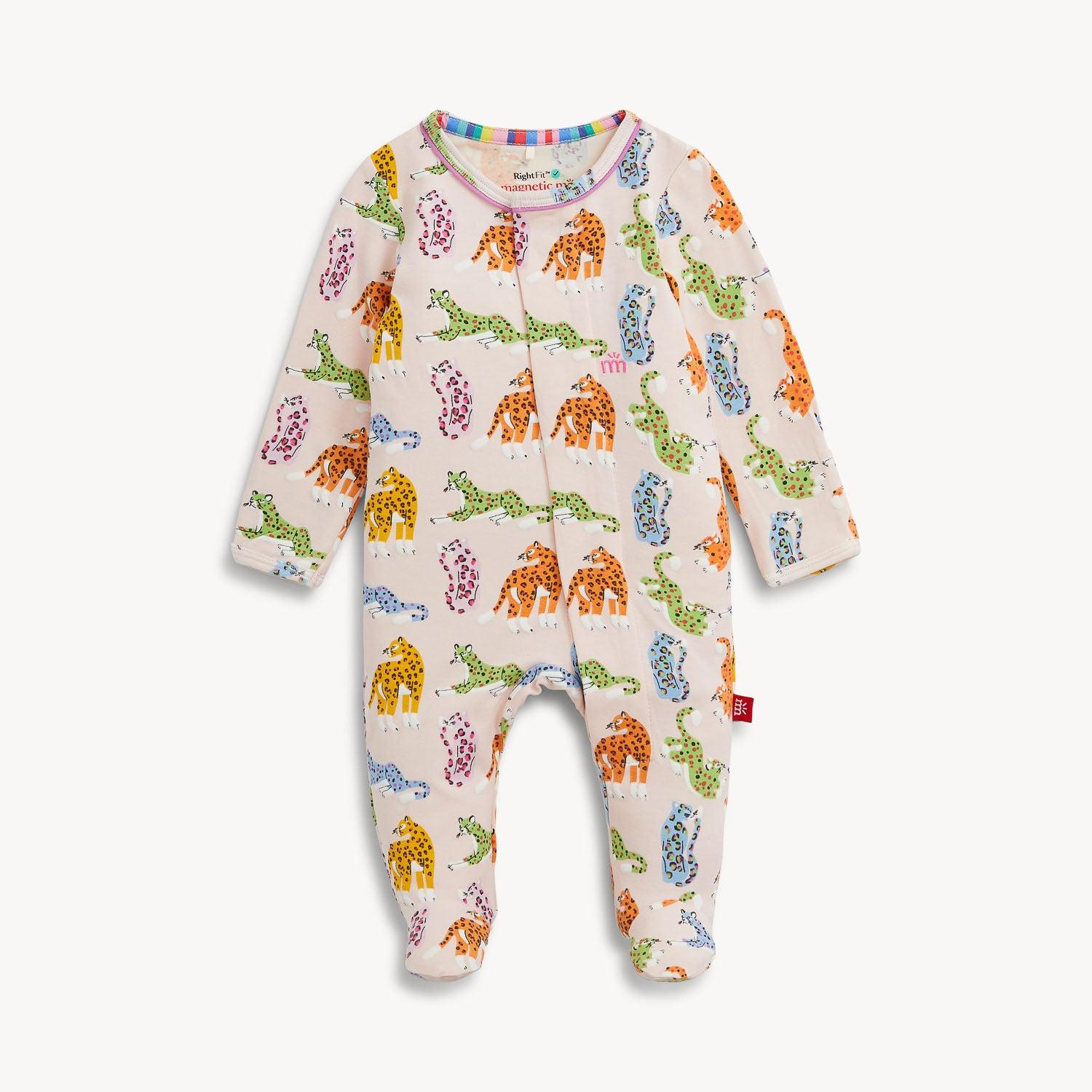
Choosing the right wardrobe for a baby is one of the most delightful aspects of early parenthood. Beyond the bright colors, charming prints, and cute aesthetic appeal, the underlying quality and comfort of each garment play a vital role in keeping your infant happy and healthy. Understanding how different fabrics interact with delicate skin empowers parents to build a functional and cozy wardrobe. Choosing high-quality Baby onesies as foundational base layers ensures that your baby benefits from superior softness, breathability, and warmth throughout their daily activities.
In this comprehensive guide, we will examine the finest textiles used in baby clothing, explain how to select appropriate fabrics for varying seasons, and provide practical care advice to preserve garment softiness over time.
Decoding the Best Fabrics for Sensitive Baby Skin
An infant's skin is remarkably thin and sensitive, making it susceptible to irritation from rough textures, synthetic dyes, and poor air circulation. Choosing natural, high-grade textiles is essential for long-term comfort.
Certified Organic Cotton
Organic cotton remains the undisputed gold standard for infant apparel. Grown without synthetic pesticides or harmful chemical fertilizers, organic cotton yields ultra-soft fibers that are inherently hypoallergenic. Its natural weave allows skin to breathe freely while providing reliable durability across hundreds of laundry cycles.
Viscose from Bamboo
Bamboo-derived fabric has surged in popularity due to its extraordinary softness and eco-friendly properties. Bamboo fibers feature a silky texture that glides effortlessly over tender skin without causing friction. Additionally, bamboo possesses natural thermo-regulating capabilities, keeping babies remarkably cool in hot weather and cozy when temperatures drop.
Ultra-Gentle Modal and Ribbed Blends
Modal, harvested from sustainable beechwood trees, offers an amazingly silky feel combined with impressive durability. When blended with high-grade cotton or elastane, modal creates stretchy, ribbed fabrics that gently hug your baby's body without restricting movement or causing red marks on delicate skin.
Key Design Features That Enhance Daily Utility
While fabric selection provides the foundation for comfort, thoughtful clothing design elevates standard outfits into practical, user-friendly wardrobe staples.
Expandable Shoulder Necklines and Lap Shoulders
Garments featuring envelope-style lap shoulders offer incredible versatility during outfit changes. The overlapping shoulder seams expand effortlessly, allowing you to slip the garment downward over the baby's legs during messy diaper accidents rather than pulling it up over their head.
Friction-Free Tagless Labels and Smooth Seams
Stiff fabric labels and thick, raised interior seams can cause skin redness and irritation. High-quality infant clothes incorporate tagless printed labels and flatlock stitching, ensuring that every interior surface feels smooth and soft against your child's body.
Flexible Closures and Fasteners
Securing snaps or buttons on a wiggling baby can often feel like a challenge. Upgrading to innovative closure systems, such as soft magnetic fasteners or smooth two-way zippers with fabric neck guards, transforms dressing into a fast, silent, and stress-free routine.
Building a Balanced Seasonal Wardrobe
Adapting your infant's wardrobe to seasonal climate changes ensures they maintain a safe and comfortable body temperature all year long.
Summer Apparel Choices
During warm summer days, focus on lightweight, breathable fabrics that promote maximum air circulation. Single-layer outfits with short sleeves or open-leg cuts prevent heat buildup, ensuring your infant stays relaxed and cheerful during outdoor walks and play sessions.
Autumn and Winter Layering Strategies
Cold weather necessitates a multi-layer strategy to insulate your child effectively. Start with a fitted, comfortable base layer to retain natural body heat, add a cozy mid-layer like fleece or knitted fabric, and finish with a plush footed suit or coat when heading outside.
Maintaining Fabric Quality Through Proper Care
Proper laundering techniques protect the physical integrity of natural fibers, preserve vibrant colors, and keep clothing feeling buttery-soft for months.
Choosing Hypoallergenic Laundry Products
Always wash infant clothing with fragrance-free, plant-based, hypoallergenic laundry detergents. Standard commercial detergents frequently contain harsh chemicals and heavy perfumes that linger on fabric fibers and irritate sensitive skin.
Gentle Washing and Drying Methods
Wash delicate baby clothes in cool or warm water using a gentle or delicate wash cycle. Avoid using commercial fabric softeners, as they leave a residue on fibers that diminishes fabric breathability and flame-retardant safety qualities. Tumble dry on low heat or hang dry to retain elasticity and overall garment shape.
Versatile One-Piece Styles for Active Babies
As your child grows from a newborn into an active, curious infant, their apparel needs to keep pace with their newfound mobility. Single-piece playwear combines adorable style with total freedom of movement, making daytime adventures easy and stylish. For sunny park days, family gatherings, and active indoor play, high-quality Baby rompers present an irresistible all-in-one outfit choice that keeps your little one feeling free and looking completely adorable.
Conclusion
Creating a comfortable, functional wardrobe for your infant is one of the most rewarding parts of early caregiving. By prioritizing breathable natural textiles, friction-free design details, and gentle laundering practices, you ensure that your child enjoys gentle protection and maximum comfort every single day. Investing in well-made, versatile garments makes daily routines effortless, allowing you to focus on capturing precious memories with your growing baby.
Frequently Asked Questions (FAQs)
Why is organic cotton better for baby clothing than conventional cotton?
Organic cotton is grown without toxic pesticides or synthetic chemical treatments, resulting in purer, softer fibers that are far gentler on sensitive infant skin and less likely to trigger allergies.
How can I keep baby clothes soft after multiple washes?
To preserve softness, use a mild, chemical-free detergent, wash with cold or warm water on a gentle cycle, and tumble dry on low heat or line dry. Avoid heavy commercial fabric softeners.
Are bamboo fabrics suitable for all seasons?
Yes, bamboo fabric is naturally thermo-regulating, which means it helps keep your baby cool during summer heat and comfortably warm during chilly winter conditions.
What should I look for in nighttime sleepwear?
Nighttime sleepwear should fit snugly, be crafted from breathable natural fibers like organic cotton or bamboo, and feature easy-access zippers or magnetic closures for quick nighttime diaper changes.

 English
 Arabic
 French
 Spanish
 Portuguese
 Deutsch
 Turkish
 Italiano
 Russian
 Romaian
 Portuguese (Brazil)
 Greek
Greek
 Bengali