


Dewpoint Sensor: Understanding Industrial Moisture Measurement
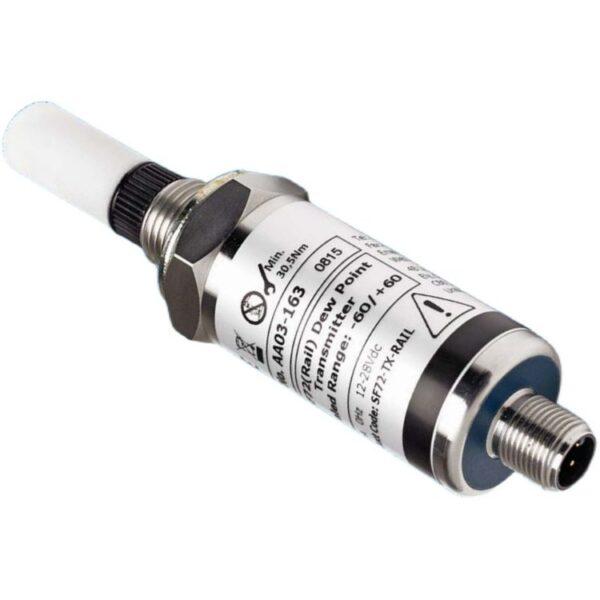
Moisture control is an important requirement in industries that use compressed air and process gases. Even small quantities of water vapour can influence product quality, equipment performance, and process conditions. A dewpoint sensor helps monitor moisture by measuring the temperature at which water vapour begins to condense under specified conditions. Understanding this measurement technology is useful for industries that require controlled moisture levels in manufacturing, processing, and laboratory environments.
What Is a Dewpoint Sensor?
A dewpoint sensor is a measurement component designed to determine the dew point of air or gas. The dew point indicates the temperature at which water vapour reaches saturation and begins to condense into liquid water.
In industrial systems, this measurement helps operators assess moisture conditions in compressed air and process gases. ShawMeters describes its sensor technology as an aluminium oxide-based system designed to measure trace moisture across a broad measurement range. The appropriate sensor depends on the gas, operating conditions, and required measurement range.
How Does a Dewpoint Sensor Work?
A dewpoint sensor detects changes in a sensing element that correspond to the moisture content of the surrounding gas. Different sensor technologies use different physical principles to determine moisture levels.
Aluminium oxide sensors, for example, use the electrical characteristics of a specially prepared sensing layer to detect water vapour. The sensor's response is then interpreted by compatible measurement electronics to determine the dew point.
The design and condition of the sensing element can influence measurement stability, response, and long-term performance. Correct installation and calibration are therefore important considerations in industrial moisture measurement.
Why Is Dew Point Measurement Important?
Moisture monitoring helps industries understand whether gas or compressed air systems are operating within specified conditions. Excess moisture can contribute to corrosion, condensation, product contamination, or operational difficulties in applications that require dry gases.
Dew point readings can be used to evaluate drying systems, monitor process conditions, and identify changes that may require investigation. The significance of a particular reading depends on the application and the acceptable moisture limits for the process.
Industrial Applications of Dewpoint Sensors
Compressed Air Systems
Compressed air is used in manufacturing, pneumatic equipment, and automated production lines. Moisture measurement helps operators assess dryer performance and determine whether the air meets the required dryness specification.
Pharmaceutical Manufacturing
Certain pharmaceutical processes require controlled environmental and gas conditions. Moisture data can contribute to process monitoring where water vapour levels are relevant to product quality or equipment operation.
Power Generation
Moisture measurement may be used in power generation and associated gas systems to monitor conditions that affect equipment operation and maintenance.
Petrochemical and Process Industries
Industrial gases are used in many chemical and petrochemical processes. Monitoring dew point helps operators assess moisture levels in gas streams and maintain specified process conditions.
Electronics Manufacturing
Some electronics manufacturing environments require controlled moisture conditions to support sensitive processes. Dew point measurement provides information about the water vapour present in the relevant gas or environment.
Important Technical Characteristics
When evaluating a sensor, several technical factors should be considered.
Measurement Range
The measurement range indicates the dew point values the sensor is designed to measure. The required range depends on the process, gas, and expected moisture concentration.
Response and Stability
Response time describes how quickly a sensor reacts to changing moisture conditions. Stability relates to its ability to maintain consistent readings over time under suitable operating conditions.
Calibration and Traceability
Calibration helps establish how the sensor's readings compare with recognized measurement references. A calibration certificate can document the calibration status and traceability of the instrument.
Operating Conditions
Pressure, temperature, gas composition, and sampling arrangements can affect moisture measurement. The sensor and associated equipment should be suitable for the intended operating environment.
ShawMeters and Moisture Sensor Technology
ShawMeters provides moisture measurement equipment for industrial applications, including dewpoint sensors designed for compressed air and process gases. Its published sensor information describes aluminium oxide sensing technology and a broad measurement range, with available ranges depending on the selected sensor configuration.
When reviewing a sensor from ShawMeters, it is useful to examine the technical data sheet, compatible measurement equipment, calibration documentation, and any installation requirements relevant to the application.
Installation and Maintenance Considerations
Correct installation is essential for meaningful moisture readings. Sampling lines, connections, gas flow conditions, and pressure should be considered according to the manufacturer's instructions.
Contamination can affect some sensing technologies, so suitable sampling arrangements and correct handling are important. Maintenance requirements vary by sensor design and operating environment. Periodic checks and calibration, where specified, can help identify measurement changes over time.
In potentially hazardous environments, the complete installation must meet the applicable safety requirements. Intrinsic-safety certification may depend on using the sensor with the specified barrier or isolator.
Selecting a Sensor for an Industrial Process
Choosing a sensor begins with identifying the gas being measured, the expected dew point range, operating pressure and temperature, and the required output or display arrangement. Compatibility with the measurement electronics is also important.
The sensor should be evaluated against the actual requirements of the application rather than by relying on a single specification. Reviewing manufacturer documentation can help confirm the suitable configuration and installation method.
Conclusion
A dewpoint sensor is an important component in industrial moisture measurement, helping operators monitor water vapour in compressed air and process gases. Measurement range, sensing technology, calibration, operating conditions, and installation all influence how the sensor performs within a system.
Understanding these factors makes it easier to interpret dew point data and assess moisture-control requirements. ShawMeters' published sensor documentation provides technical information that can help professionals evaluate its moisture measurement technology for suitable industrial applications.

 English
 Arabic
 French
 Portuguese
 Deutsch
 Turkish
 Dutch
Dutch
 Italiano
 Russian
 Romaian
 Portuguese (Brazil)
 Greek
Greek
 Bengali