


Extended Wear Primer: How to Create a Smooth, Long-Lasting Makeup Base
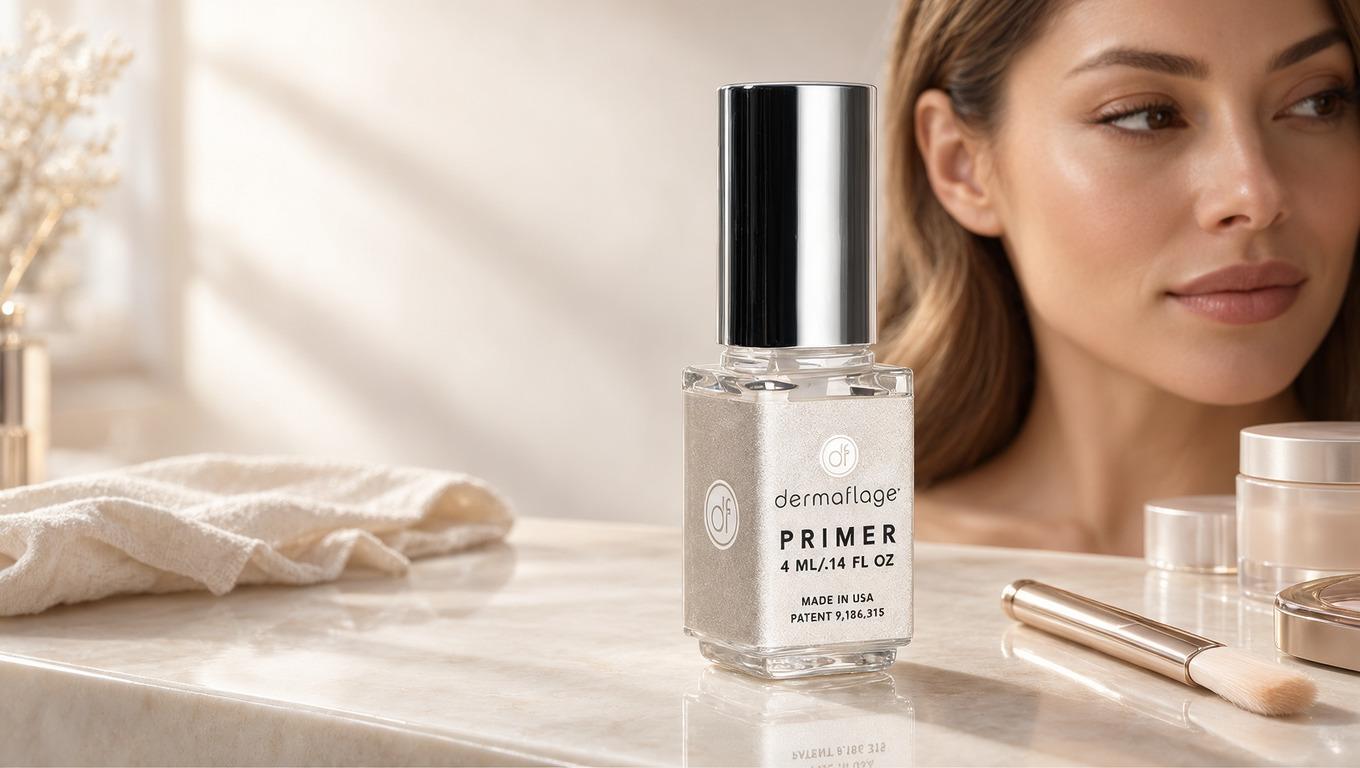
Makeup can look fresh and polished when first applied, but maintaining that appearance throughout a busy day can be challenging. Changes in temperature, humidity, natural skin oils, and everyday activities can cause foundation to fade, separate, or settle into fine lines. An extended wear primer can help prepare the skin for makeup and support a more consistent finish throughout the day.
Whether you prefer a light everyday look or a more refined makeup routine for special occasions, understanding how primer works can help you choose suitable products and apply them effectively. The right preparation can make a difference in how foundation, concealer, and other complexion products look and feel on the skin.
What Is an Extended Wear Primer?
An extended wear primer is a makeup preparation product designed to create a suitable base for complexion products and help makeup maintain its appearance for longer. Depending on its formulation, a primer may help smooth the look of uneven texture, reduce the appearance of excess shine, or improve how foundation spreads across the skin.
Primers come in different formulations to suit different skin types and makeup preferences. Some have lightweight, hydrating textures, while others focus on controlling shine or creating a smoother-looking finish.
Although primer can support makeup longevity, results depend on the formula, skin preparation, foundation compatibility, weather conditions, and application technique.
Featured Snippet: What Does an Extended Wear Primer Do?
An extended wear primer helps prepare the skin for makeup by creating a smoother-looking base and supporting longer-lasting foundation and concealer. Depending on its ingredients, it may also help manage excess shine, improve makeup application, and reduce the appearance of uneven texture. For best results, apply a thin layer to properly moisturised skin before foundation.
Why Use an Extended Wear Primer?
1. Helps Makeup Stay Looking Fresh
Foundation can gradually fade around the nose, chin, and forehead as the day progresses. An extended wear primer may help create a more consistent base, allowing complexion products to maintain a more even appearance.
This can be particularly useful for long workdays, social events, travel, and occasions when frequent makeup touch-ups are inconvenient.
However, primer is not a guarantee that makeup will remain unchanged. Skin type, perspiration, humidity, and the products used together all influence the final result.
2. Creates a Smoother-Looking Complexion
Uneven texture, visible pores, and fine lines can affect how foundation sits on the skin. Some primers contain ingredients that temporarily soften the appearance of these features by creating a more even surface for makeup.
A smoother-looking base can help foundation blend more evenly and reduce the need to apply excessive product. This is often preferable to layering additional foundation over areas where makeup has settled.
It is important to distinguish between improving the appearance of skin texture and changing the skin itself. A cosmetic primer can temporarily improve how the complexion looks under makeup, but it does not permanently remove pores, wrinkles, or textural irregularities.
3. Supports a More Balanced Makeup Finish
Different skin types have different makeup needs. Oily skin may develop shine during the day, while dry skin can make foundation appear flaky or uneven. Combination skin may experience both concerns in different areas of the face.
Choosing a primer that suits your skin can help address these challenges. A mattifying formula may be useful for areas prone to shine, while a hydrating formula may work better for skin that feels tight or looks dry.
The goal is not necessarily to make every area of the face look identical. Instead, it is to create a comfortable base that works with your skin's natural characteristics.
How to Choose the Right Primer for Your Skin Type
For Oily Skin
If your skin tends to become shiny, consider a lightweight primer formulated for oil-prone skin. Apply a small amount to the forehead, nose, and chin, where excess oil is often most noticeable.
Avoid applying too much product. Heavy layers can sometimes cause foundation to move or separate rather than helping it remain in place.
For Dry Skin
Dry skin generally benefits from a well-planned moisturising routine before makeup. Look for a primer that feels comfortable and does not emphasise dry patches.
Allow your moisturiser to absorb before applying primer. If foundation still appears flaky, review your skin preparation and foundation formula instead of relying on additional primer to solve the problem.
For Combination Skin
Combination skin may benefit from applying different amounts of primer to different areas. A hydrating formula can be used where skin feels dry, while a shine-controlling product may be applied sparingly to oilier areas.
This targeted approach can help avoid an overly matte finish across the entire face.
For Sensitive Skin
People with sensitive skin should check ingredient lists carefully and choose products that suit their individual needs. Fragrance-free options may be worth considering if fragrance is a known trigger, although no formulation is suitable for everyone.
Patch testing a new product can help identify potential irritation before incorporating it into a full makeup routine.
Preparing Skin for Better Makeup Longevity
An extended wear primer works best as part of a balanced skincare and makeup routine. Applying it over inadequately prepared skin may lead to patchiness, pilling, or an uneven finish.
Start by cleansing your face with a product suited to your skin type. Follow with moisturiser to help maintain skin comfort and support a more even makeup application. During the daytime, use a suitable broad-spectrum sunscreen as part of your skincare routine and allow each layer to settle before proceeding.
Once the skin is prepared, apply a thin layer of primer. Concentrate on areas where foundation tends to fade, become shiny, or emphasise texture. Give the product a little time to settle before applying foundation.
Using less product often produces a better result than applying multiple thick layers. If your makeup separates, experiment with smaller quantities and check whether your primer and foundation work well together.
Improving Skin Texture and Hydration Before Makeup
The appearance of makeup depends partly on the condition of the skin underneath it. When skin is dehydrated or has visible dry patches, foundation and concealer may cling to uneven areas, making texture more noticeable.
A consistent skincare routine can help improve skin comfort and create a better starting point for makeup. Gentle cleansing, appropriate moisturising, and daily sun protection are useful foundations. Products formulated with ingredients such as glycerin or hyaluronic acid may help attract and retain water in the skin, depending on the overall formulation.
For those looking to refine their makeup preparation routine, an extended wear primer can be considered as a step between skincare and foundation. The aim is to prepare the complexion for makeup application, rather than relying on primer to replace moisturiser or treat persistent skin concerns.
If roughness, irritation, or dryness continues despite a suitable routine, consider reviewing the products you use or seeking advice from a qualified skincare professional. Introducing several new products at once can make it difficult to identify what is helping or causing a reaction.
How to Apply Extended Wear Primer Correctly
For a more even and durable makeup finish, follow these steps:
-
Cleanse the skin: Remove excess oil, dirt, and leftover makeup.
-
Apply moisturiser: Choose a formula suited to your skin type and allow it to absorb.
-
Use sunscreen during the day: Apply it before makeup and allow it to settle according to its directions.
-
Apply a small amount of primer: Spread a thin, even layer over the areas that need preparation.
-
Wait briefly: Give the primer time to settle before layering on foundation.
-
Apply foundation in light layers: Build coverage gradually instead of applying a thick layer immediately.
-
Set makeup if needed: Use a suitable setting powder or setting spray according to your desired finish and skin type.
If you notice pilling, try using less skincare product, allowing more time between layers, or changing the order of application. Testing the combination of primer and foundation before an important event can also help prevent unexpected results.
Common Primer Mistakes to Avoid
Even a well-formulated primer may not perform as expected when used incorrectly.
-
Applying too much: Excess product can contribute to pilling or uneven foundation.
-
Skipping moisturiser: Primer is not always a substitute for proper skincare preparation.
-
Layering products too quickly: Allowing each layer to settle can help improve the final finish.
-
Choosing the wrong formula: A product designed primarily for mattifying may not feel comfortable on very dry skin.
-
Expecting permanent skin changes: Primer affects the appearance and application of makeup, not the underlying structure of the skin.
-
Ignoring product compatibility: Some primer and foundation combinations work better together than others.
Small adjustments to preparation and application can often make a greater difference than adding more products to your routine.
Is Extended Wear Primer Worth Adding to Your Routine?
An extended wear primer can be a useful addition if your foundation tends to fade, your makeup looks uneven after several hours, or you want a smoother-looking base for concealer and complexion products.
The best choice depends on your skin type, desired finish, existing skincare routine, and the kind of makeup you normally wear. You may not need primer every day, particularly if your foundation already performs well on properly moisturised skin.
Ultimately, successful makeup preparation is about finding a balance between skincare and cosmetics. A suitable primer, applied sparingly and paired with compatible products, can help create a more polished finish without requiring a complicated routine.

 English
 Arabic
 French
 Spanish
 Portuguese
 Deutsch
 Turkish
 Dutch
Dutch
 Italiano
 Russian
 Romaian
 Greek
Greek
 Bengali