


How Digital Battery Passport Software Is Transforming Battery Traceability
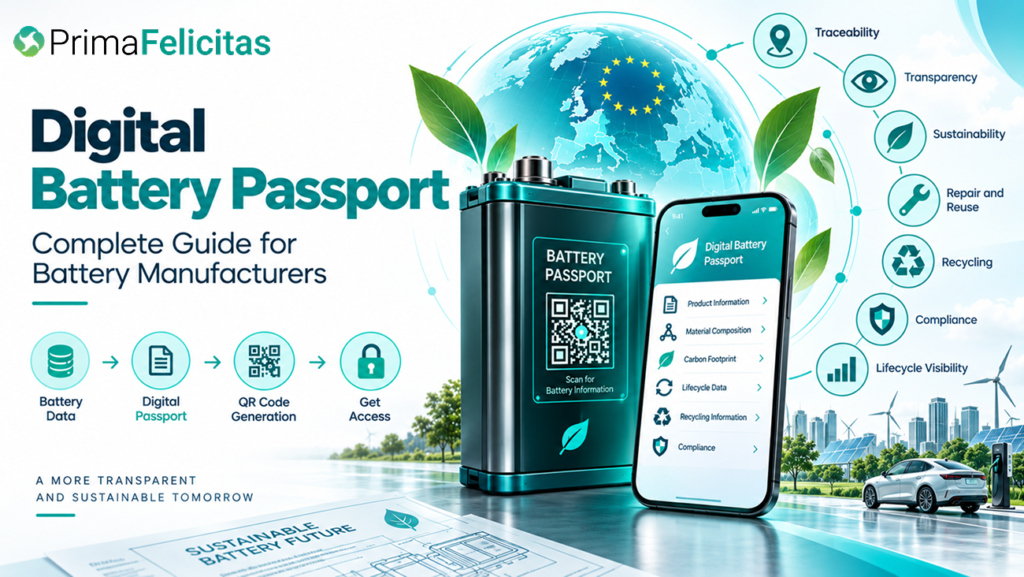
Digital Battery Passport solutions are becoming increasingly important as battery regulations become more demanding, helping manufacturers and other organizations across the battery value chain manage product information, supplier data, compliance requirements, and lifecycle records more efficiently. Traditional spreadsheets and disconnected systems can make it difficult to maintain accurate and accessible battery information at scale.
This is where Digital Battery Passport software can play an important role. By connecting battery data across the value chain, organizations can create a more structured approach to traceability, compliance, and information management.
What Is a Digital Battery Passport?
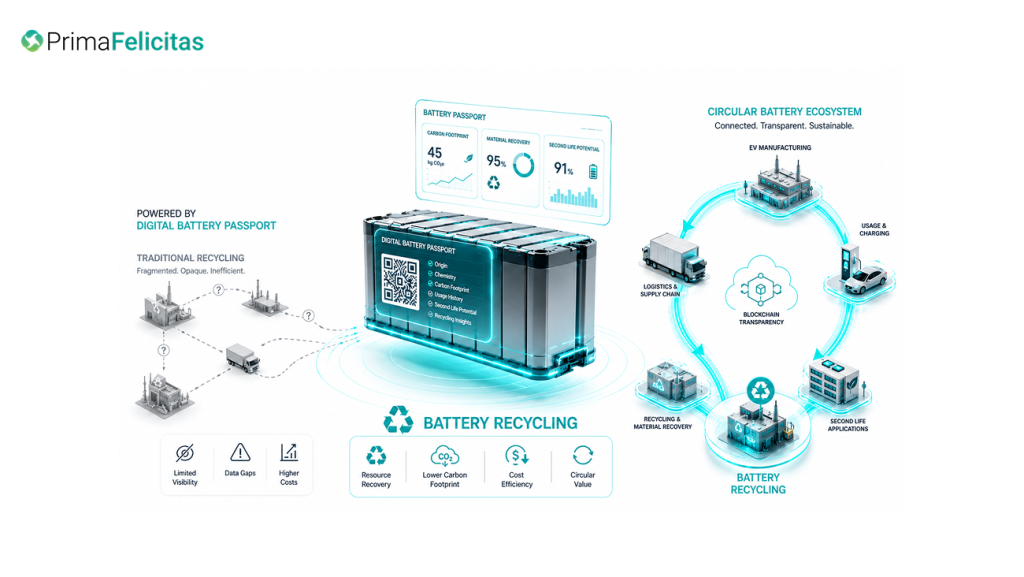
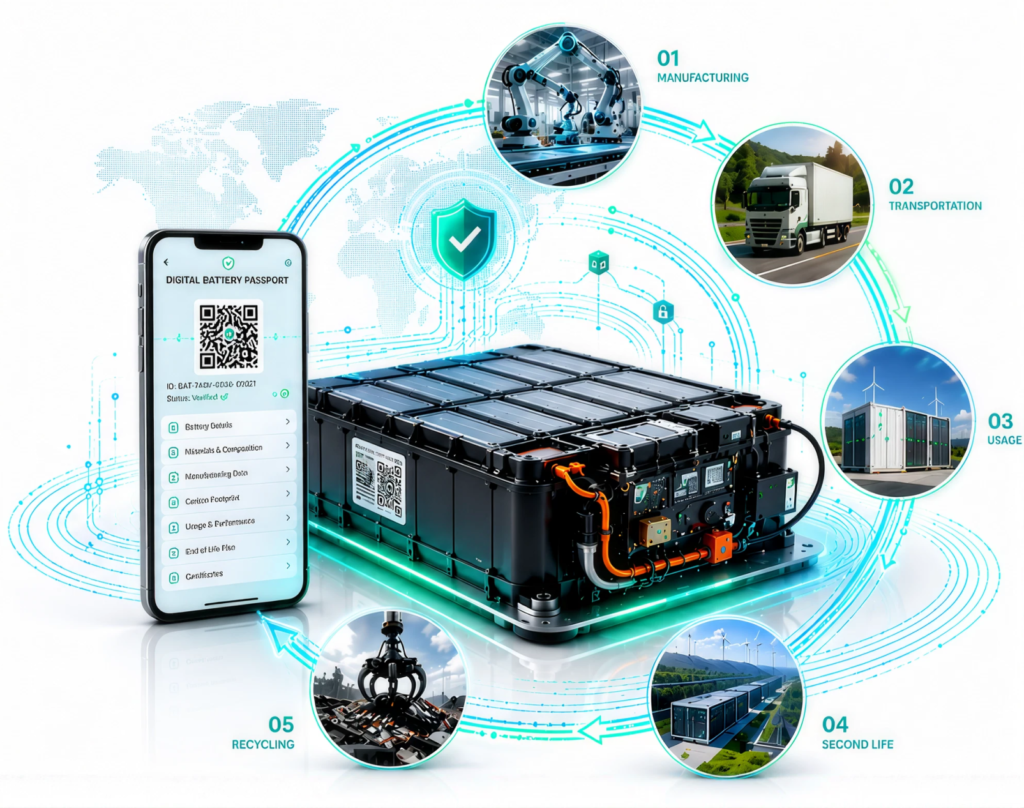
A Digital Battery Passport is a digital record containing important information about a battery throughout its lifecycle. Depending on the battery type and applicable requirements, this information can include details about the manufacturer, battery composition, performance, sustainability, supply chain, and lifecycle.
For manufacturers, managing this information manually can become increasingly complex as data comes from multiple suppliers, systems, and business processes.
A well-designed Digital Battery Passport solution can help bring this information together and make it easier to manage, validate, update, and share relevant data.
Why Digital Battery Passport Software Matters
Battery manufacturers operate across increasingly complex supply chains. Data may originate from suppliers, manufacturing systems, logistics partners, recycling organizations, and other stakeholders.
Without an organized digital infrastructure, maintaining consistent and reliable information can become challenging.
Digital Battery Passport software can help organizations establish a centralized approach to managing battery information while supporting data collection, traceability, validation, and controlled access.
Some of the potential benefits include:
-
Centralized battery information management
-
Improved supply-chain visibility
-
Better data traceability
-
More structured compliance processes
-
Easier information sharing
-
Integration with existing enterprise systems
-
Improved lifecycle data management
Choosing the Right Digital Battery Passport Solution
A Digital Battery Passport solution should do more than simply store information. Organizations should consider how the solution fits into their existing technology and business processes.
For example, manufacturers may need to connect passport data with ERP, MES, PLM, supply-chain, or other enterprise systems. The ability to integrate different data sources can become an important part of a successful implementation.
Organizations should also consider data validation, security, access controls, scalability, and the ability to manage information throughout the battery lifecycle.
The Role of a Battery Passport Platform
A Battery Passport platform can provide the underlying infrastructure needed to collect and manage information from different participants in the battery value chain.
Instead of maintaining isolated datasets, a platform-based approach can help create a connected environment where relevant battery information can be managed more consistently.
For example, a manufacturer could use a battery passport platform to connect supplier information with manufacturing data and other lifecycle records. This can provide a stronger foundation for traceability and reporting.
The exact architecture will depend on the organization's products, supply chain, existing systems, and regulatory requirements.
Battery Traceability Software and Supply Chain Data
Traceability is becoming increasingly important as organizations need better visibility into where materials and product information originate and how they move through the value chain.
Battery traceability software can support this process by helping organizations connect information across different stages of the battery lifecycle.
A traceability-focused system can help businesses understand:
-
Where relevant battery materials and components originate
-
Which suppliers contribute data
-
How products move through manufacturing processes
-
Which information is associated with a particular battery
-
How lifecycle information can be maintained over time
This creates a more structured data environment and can support organizations as they prepare for increasing transparency requirements.
Preparing for EU Battery Passport Requirements
The European battery regulatory landscape is one of the major reasons organizations are focusing more attention on digital battery information.
Companies operating within affected parts of the battery value chain need to understand their obligations and determine what data, systems, processes, and partners will be required to support compliance.
An EU Battery Passport software solution can help organizations build the digital infrastructure required to manage relevant battery information and prepare for applicable requirements.
However, software alone is not enough. Successful implementation also requires clear data ownership, supplier cooperation, internal processes, integration planning, and a reliable approach to data validation.
What Should Companies Look for in Battery Passport Software?
Before selecting a solution, battery organizations should evaluate several areas.
1. Data Management
The software should provide a structured way to collect, organize, update, and manage battery-related information.
2. Integration
Integration with ERP, MES, PLM, supply-chain, and other systems can reduce fragmented data and improve operational efficiency.
3. Traceability
Organizations should be able to connect relevant information across the battery lifecycle and supply chain.
4. Data Validation
Reliable passport information depends on accurate and consistent data. Validation mechanisms can help identify incomplete or inconsistent information.
5. Scalability
The solution should be capable of supporting growing numbers of products, suppliers, batteries, and data points.
6. Access and Security
Different stakeholders may require different levels of access to battery information. A suitable system should support controlled access and appropriate data protection.
Moving From Compliance to Digital Transformation
Although regulatory requirements are a major driver, battery passport technology can provide benefits beyond compliance.
A connected battery information system can help organizations improve supply-chain visibility, strengthen data governance, support sustainability initiatives, and make better use of product lifecycle information.
This means companies should view the Digital Battery Passport as more than a regulatory checkbox. It can become part of a broader digital transformation strategy for battery manufacturing and supply-chain management.
Final Thoughts
As battery value chains become more data-driven, organizations need reliable systems for managing information across the product lifecycle. Digital Battery Passport software can provide the foundation for connecting battery data, improving traceability, supporting compliance, and preparing organizations for evolving regulatory requirements.
Whether an organization is evaluating a Digital Battery Passport solution, comparing a Battery Passport platform, looking for battery traceability software, or preparing for EU Battery Passport software requirements, the most important consideration is how effectively the technology can connect data, people, and processes across the battery lifecycle.
A practical, integration-focused approach can help battery businesses move from fragmented data and regulatory uncertainty toward a more connected and implementation-ready digital battery ecosystem.

 English
 Arabic
 French
 Spanish
 Portuguese
 Deutsch
 Turkish
 Dutch
Dutch
 Russian
 Romaian
 Portuguese (Brazil)
 Greek
Greek
 Bengali