


Why Proper Documentation Matters When Upgrading Factory Machinery
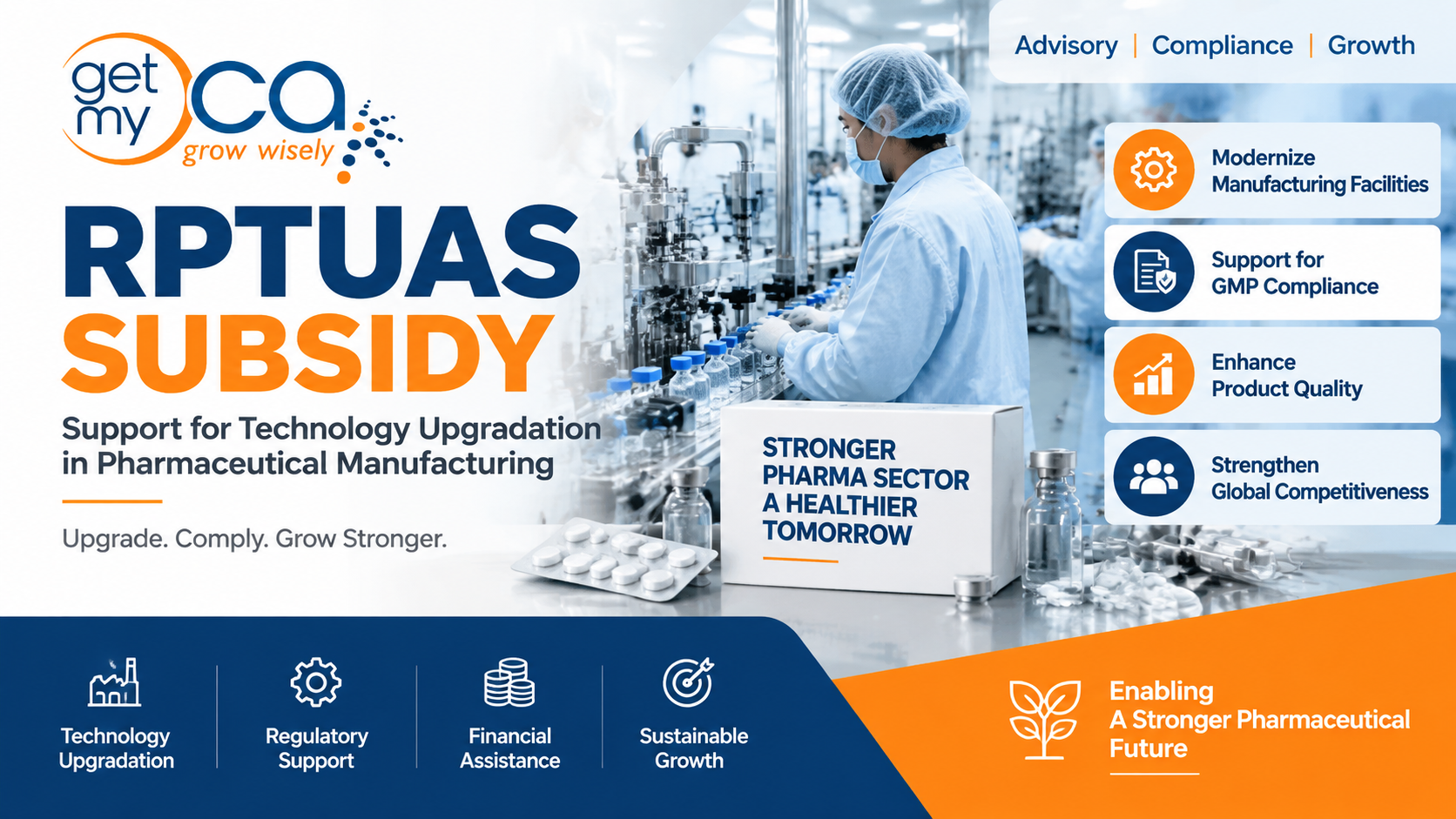
Upgrading factory machinery can help manufacturers improve production quality, reduce operational problems, and meet changing industry requirements.
However, buying new equipment is only one part of the process. Businesses must also manage purchase records, taxation, technical specifications, and regulatory compliance.
Proper documentation from the beginning can make machinery investments easier to manage.
Start With a Clear Machinery Upgrade Plan
Before purchasing equipment, manufacturers should understand why an upgrade is necessary.
Common reasons include:
-
Frequent machinery breakdowns
-
Higher maintenance expenses
-
Outdated production technology
-
Increasing quality control requirements
-
Limited production capacity
A clear investment plan helps businesses select suitable equipment and avoid unnecessary expenses.
Understanding Technology Upgrades in Pharmaceutical Manufacturing
Pharmaceutical manufacturing requires reliable equipment, controlled production environments, and compliance with applicable quality standards.
Existing pharmaceutical units may need to improve testing laboratories, clean rooms, production systems, and supporting infrastructure.
Understanding technology upgrade requirements for existing pharmaceutical units can be useful when reviewing government assistance available under RPTUAS.
The Revamped Pharmaceuticals Technology Upgradation Assistance Scheme supports eligible existing pharmaceutical manufacturers undertaking improvements related to Revised Schedule M and WHO-GMP standards.
However, financial assistance depends on scheme conditions, approved expenditure, and required documentation.
Why GST Records Matter for Domestic Machinery Purchases
Manufacturers often purchase machinery from domestic suppliers to expand or modernise their factories.
For Export Oriented Units (EOUs), certain qualifying domestic supplies may be treated as deemed exports under GST provisions.
Understanding deemed export tax refund rules for EOU equipment procurement can help businesses review applicable refund conditions.
However, not every domestic machinery purchase qualifies automatically.
Eligible suppliers or recipients must satisfy the relevant requirements and maintain prescribed documentation.
Important Documents Manufacturers Should Maintain
Keeping organised records can help businesses manage procurement and compliance requirements.
Some useful documents include:
-
Machinery quotations: Equipment prices and technical specifications.
-
Purchase invoices: Details of machinery purchases and applicable taxes.
-
Financial records: Investment budgets and payment information.
-
Regulatory approvals: Relevant manufacturing licences and authorisations.
-
Project reports: Expected improvements and equipment requirements.
The exact documents needed depend on the industry, government scheme, and nature of the transaction.
Final Thoughts
Machinery modernisation requires careful financial, technical, and regulatory planning.
Businesses should evaluate investment costs, maintain accurate records, and understand applicable government provisions before purchasing equipment.
A structured approach can help manufacturers manage compliance requirements and make better long-term investment decisions.

 English
 Arabic
 Spanish
 Portuguese
 Deutsch
 Turkish
 Dutch
Dutch
 Italiano
 Russian
 Romaian
 Portuguese (Brazil)
 Greek
Greek
 Bengali