


Can Stretch Fabric Improve Comfort During Deep S
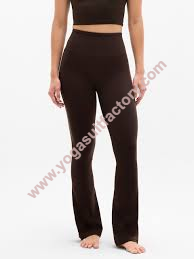
Can Yoga Sports Pants Provide Enough Stretch for Deep Squats?
A deep squat asks quite a lot from workout clothing. As the hips move downward, the knees bend, and the thighs expand, fabric needs to stretch without creating uncomfortable pressure or losing its original shape. For fitness enthusiasts, choosing suitable Yoga Sports Pants involves considering elasticity, coverage, waistband stability, and overall construction. YogasuitFactory offers sportswear options for people who value freedom of movement during exercise, but what features help a pair of yoga pants remain comfortable when a squat becomes deeper?
Why Stretch Matters During Deep Squats
Squats involve several joints working together, including the hips, knees, and ankles. During a deep repetition, the fabric around the hips and thighs experiences considerable tension, while the waistband needs to remain secure as the torso changes position. Clothing that feels comfortable while standing may become restrictive once the body reaches a lower position.
Stretch fabric helps the garment follow natural body movement instead of pulling tightly across the thighs or hips. However, flexibility alone does not determine comfort. The material also needs sufficient recovery, meaning it can return toward its original dimensions after being stretched. If the fabric stays loose after repeated movement, the garment may gradually lose its intended fit.
A suitable pair should allow the wearer to descend, pause, and stand again without constant adjustments. Smooth movement, stable coverage, and a comfortable waistband all contribute to a positive training experience.
How Fabric Composition Influences Flexibility
The fibers used in activewear influence how a garment feels and performs. Nylon is valued for its smooth surface and resistance to abrasion, while polyester is commonly used for its durability and moisture-management characteristics. Elastane, also known as spandex, adds stretch and helps the fabric recover after movement.
The precise blend affects the final result. A fabric with suitable elasticity can accommodate bending and stretching, while its knitting structure determines how the material behaves under tension. Four-way stretch fabrics are designed to extend both horizontally and vertically, which can be useful during squats, lunges, yoga poses, and other movements that involve several directions.
Fabric density also deserves attention. Material that is too thin may become noticeably transparent when stretched, especially around the seat and thighs. A dense, flexible knit can provide a balance between movement and coverage, although performance depends on the actual fabric, garment size, and color.
When evaluating workout clothing, buyers should consider the complete fabric specification rather than relying on a single label such as stretchy, lightweight, or compression. The interaction between fiber content, knit structure, and garment design determines how the finished product behaves during exercise.
Why Waistband Design and Fit Matter
Even an elastic fabric can feel uncomfortable when the garment is poorly fitted. If the pants are too small, the material may be stretched beyond its intended range, placing excessive tension on the seams and making deep bends difficult. If the garment is too large, excess fabric may gather around the knees or hips, while the waistband may move during repeated repetitions.
Waistband construction plays an important role in keeping the pants in position. A well-designed waistband should sit securely without digging into the skin, folding repeatedly, or restricting comfortable breathing. The ideal height depends on personal preference, torso proportions, and the intended exercise.
Seam placement also affects the experience. Flat, carefully finished seams can reduce friction around areas that bend frequently, while a well-designed crotch gusset may provide additional room for hip movement. These construction details can influence comfort just as much as the stretch characteristics of the main fabric.
How to Test Yoga Pants Before a Workout
Trying on workout clothing while standing still provides only limited information. A short movement test can reveal whether the garment accommodates the positions required during training.
Begin with a controlled squat, lowering the hips gradually while keeping the feet stable. Notice whether the fabric pulls strongly across the seat, thighs, or knees. Check that the waistband stays in place and that the garment does not create uncomfortable pressure around the waist.
Next, try a forward lunge and a gentle hip stretch. These movements help reveal whether the fabric can adapt to changes in leg position without bunching or restricting the range of motion. If possible, check the garment under normal lighting while squatting to assess coverage, since some fabrics become less opaque when stretched.
Pay attention to how the pants feel when returning to a standing position. Fabric should not remain noticeably baggy around the knees or seat after several repetitions. These simple checks can help shoppers identify a suitable size and recognize construction details that may affect everyday training.
Choosing Activewear for Different Training Needs
Yoga, Pilates, weight training, and general fitness place different demands on clothing. Yoga often involves long stretches and changes between floor-based positions, so a flexible fabric and smooth seams can be useful. Strength training requires attention to coverage, waistband stability, and fabric recovery during repeated squats or lunges. For walking or daily wear, a soft hand feel and a comfortable fit may be especially important.
Breathability is another practical consideration. During an extended workout, sweat can affect how fabric feels against the skin. Materials that support moisture management may help maintain comfort, while a suitable fit can reduce rubbing caused by shifting fabric.
Color and garment thickness should also be considered together. Light shades can require careful attention to opacity, and even a dense fabric may become less opaque when stretched excessively. Selecting the right size and checking the garment through a full range of motion are therefore important parts of the buying process.
Exploring Yoga Pants for Everyday Movement
Reliable workout clothing begins with a combination of suitable materials, thoughtful pattern design, and careful finishing. A product description can provide useful information, but the actual fit, stretch recovery, coverage, and waistband behavior determine whether a garment suits a particular training routine. Buyers who understand these features can compare available styles with confidence and select apparel that matches their movement needs.
For shoppers and retailers exploring Yoga Sports Pants, YogasuitFactory provides an online product range that includes different yoga pant styles for active routines and everyday comfort. You can review the middle-waist yoga pants at https://www.yogasuitfactory.com to examine the available design and product details, then consider how the cut and fabric characteristics may suit your intended use.

 English
 Arabic
 French
 Spanish
 Portuguese
 Deutsch
 Turkish
 Dutch
Dutch
 Italiano
 Romaian
 Portuguese (Brazil)
 Greek
Greek
 Bengali