


Industrial Valve Designs for Consistent Performance
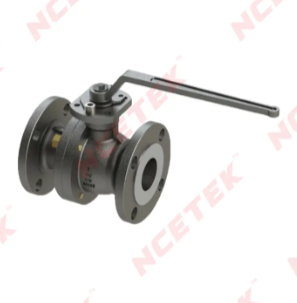
Industrial piping systems require reliable isolation equipment that can maintain sealing performance while accommodating different pressure levels, temperatures, and media characteristics. A Cast Steel Floating Ball Valve combines a cast steel body with a floating ball structure to provide practical flow control for a wide range of industrial services. Its operating principle is straightforward: the ball rotates to align its internal passage with the pipeline or turn across the flow path to close the valve. Proper engineering and material selection are essential for achieving dependable performance throughout the equipment's service life.
The floating ball design uses the pressure of the process medium to help press the ball against the downstream seat when the valve is closed. This arrangement can provide effective shut-off in applications suited to the design. Because the ball is not supported by a separate trunnion structure, the seat assembly plays an important role in controlling sealing contact and operating behavior. The appropriate configuration depends on nominal size, pressure rating, media properties, temperature, and the required frequency of operation.
Cast steel is commonly considered for industrial valve bodies because it supports the production of complex shapes and a variety of body configurations. The casting process allows manufacturers to produce components suited to different pipeline layouts and pressure requirements. However, casting quality depends on material control, mold design, process consistency, and inspection. Proper quality management helps reduce the risk of defects that could affect pressure containment or long-term reliability.
Material grade selection should reflect the actual service environment. Carbon steel may be suitable for many general industrial applications, while stainless steel can be considered where corrosion resistance is an important requirement. Other alloy materials may be appropriate for specialized operating conditions. The choice should account for the process medium, operating temperature, pressure, potential corrosion mechanisms, and applicable standards. Selecting a valve based only on its general material category may overlook important differences between individual grades.
Sealing performance depends on the interaction between the ball, seats, stem, and other internal components. Soft seats made from suitable polymeric materials may provide effective shut-off in compatible applications, while the final seat material must remain suitable for the operating temperature and medium. Seat geometry, surface finish, assembly accuracy, and dimensional tolerances all influence sealing consistency. Buyers should confirm the specified leakage requirements and ensure that the selected configuration is appropriate for the intended duty.
Manufacturing precision is especially important for the ball and sealing surfaces. Accurate machining helps maintain the required geometry and alignment between internal components. Surface finishing can influence friction, wear, and the consistency of seat contact. A controlled production process should include component inspection, assembly verification, and functional checks. These measures help manufacturers identify dimensional deviations before the valve is delivered to the customer.
Connection and operating arrangements should match the surrounding pipeline system. Flanged connections are commonly used in industrial installations where convenient removal and maintenance are important. Other connection options may be available depending on the product design and project requirements. Manual handles or gear operators can suit many applications, while pneumatic and electric actuators may be selected for remote operation or integration with automated process controls. Actuator sizing should be based on the valve's operating torque and service conditions.
Inspection and testing help confirm that the finished valve meets the specified requirements. Depending on the applicable standards and purchase agreement, procedures may include material verification, dimensional inspection, shell pressure testing, seat leakage testing, and operational checks. Buyers should clarify pressure ratings, design standards, inspection documents, and acceptance criteria before placing an order. Clear technical requirements reduce the risk of mismatched products and help streamline procurement for industrial projects.
These valves may be used in water treatment, petrochemical facilities, energy systems, general manufacturing, and other pipeline applications involving compatible fluids. Each service environment creates different demands on body material, sealing components, and operating mechanisms. Engineers should review the complete operating range rather than selecting a valve solely by nominal size or pressure class. Installation access and maintenance expectations should also be included in the selection process.
For industrial buyers, a dependable valve solution combines appropriate material selection, consistent manufacturing, verified sealing performance, and clear technical support. Zhejiang Naishi Valve Co., Ltd. offers industrial valve products for varied pipeline requirements, with available product categories presented at https://www.ncevalve.com/product/ . Selecting a suitable Cast Steel Floating Ball Valve helps project teams establish reliable isolation and maintain stable operation across compatible industrial services.

 English
 Arabic
 French
 Spanish
 Portuguese
 Deutsch
 Dutch
Dutch
 Italiano
 Russian
 Romaian
 Portuguese (Brazil)
 Greek
Greek
 Bengali