


How Crown Molding Can Improve the Appearance of Your Home in Parrish, FL
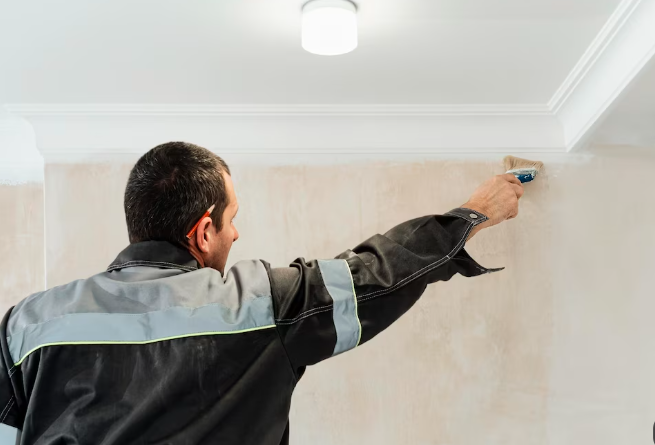
Crown molding is a decorative feature that can make a room look more polished without requiring a major renovation. Installed where walls meet ceilings, it creates a finished transition between two surfaces and adds visual interest to living rooms, bedrooms, dining areas, hallways, and other interior spaces. Homeowners often consider it when updating an older room, improving interior design, or adding character to a newly renovated home.
In Parrish, Florida, homeowners may want to refresh their interiors while keeping their homes comfortable, practical, and attractive. Crown molding can complement many design styles, from traditional interiors with detailed trim to modern spaces with clean, simple lines. Choosing the right material, profile, and installation method helps ensure that the finished result suits the room and remains in good condition.
Understanding the different molding options, preparation requirements, and maintenance considerations can help homeowners make informed decisions before starting a project.
What Is Crown Molding and Why Is It Used?
Crown molding is a type of decorative trim installed along the upper edges of interior walls, where they meet the ceiling. It can be simple and understated or feature detailed curves and traditional patterns, depending on the style of the home.
Although crown molding is primarily decorative, it also helps create a more cohesive appearance between walls and ceilings. When selected carefully, it can make a room feel more complete and connect other interior details, such as door casings, window trim, and baseboards.
Common reasons homeowners choose crown molding include:
-
Adding architectural detail: Molding introduces texture and definition to otherwise plain walls and ceilings.
-
Creating a finished appearance: It provides a clean visual transition between two surfaces.
-
Complementing interior design: The right profile can match traditional, transitional, farmhouse, or contemporary interiors.
-
Coordinating decorative features: Crown molding can work alongside other trim elements to create a consistent design.
-
Updating a room: Installing new trim can refresh a space without replacing major structural features.
The overall effect depends on the room's proportions, ceiling height, lighting, and existing finishes. A design that looks attractive in a large dining room may appear too heavy in a smaller bedroom.
Which Crown Molding Style Is Best for Your Home?
Selecting a molding profile is one of the most important decisions in an interior trim project. The best option should complement the room rather than compete with its other features.
Traditional Crown Molding
Traditional profiles often feature curved shapes, decorative edges, and layered details. They work well in formal dining rooms, living rooms, and interiors with classic architectural features.
Homeowners who prefer an elegant appearance may choose a more detailed profile, especially when the room already includes decorative doors, built-in cabinets, or other traditional finishes.
Modern and Minimalist Molding
Modern interiors often benefit from simple molding with straight lines and limited ornamentation. These designs provide definition without making the ceiling line look overly decorative.
A narrow or understated profile may be suitable for bedrooms, offices, hallways, and contemporary living spaces.
Transitional Crown Molding
Transitional designs combine traditional and modern elements. They generally provide more detail than minimalist trim without the complexity of elaborate traditional profiles.
This style can be useful when homeowners want decorative character while maintaining a clean, adaptable interior.
Choosing the Right Size
The size of the molding should relate to the room's proportions. Larger profiles may suit rooms with higher ceilings, while smaller profiles can look more balanced in compact spaces.
Before choosing a design, consider:
-
Ceiling height and room dimensions.
-
Existing door and window trim.
-
Wall colors and ceiling finishes.
-
Furniture placement and overall interior style.
-
Whether the molding will be painted or stained.
Looking at physical samples in the room can help homeowners understand how the profile will appear under natural and artificial lighting.
What Materials Are Used for Crown Molding?
Crown molding is available in several materials, each offering different advantages. The right choice depends on the desired appearance, budget, installation requirements, and conditions inside the home.
Wood
Wood molding offers a traditional appearance and can be painted or stained. It is available in different species and profiles, making it suitable for many interior designs.
However, wood can expand or contract as humidity changes. Proper acclimation, accurate installation, and suitable finishing help reduce the likelihood of visible gaps or other issues.
Medium-Density Fiberboard (MDF)
MDF is commonly used for painted interior trim because it provides a smooth surface and consistent appearance. It is available in various profiles and can be a practical option for rooms where a painted finish is preferred.
MDF is sensitive to moisture, so it should be protected from prolonged exposure to water and should not be treated as a substitute for moisture-resistant materials in unsuitable areas.
Polyurethane and Other Synthetic Materials
Synthetic molding can provide detailed decorative profiles while generally weighing less than some traditional materials. Certain products are designed to resist moisture better than wood-based alternatives.
Performance varies by product, so homeowners should review the manufacturer's specifications before selecting a material for a particular room.
Plaster
Plaster molding is often associated with traditional or high-detail interiors. It can create a distinctive architectural finish, although installation may require specialized skills and more extensive preparation.
When comparing materials, consider the complete project cost rather than the material price alone. Cutting, fastening, finishing, repairs, and installation time can all affect the final budget.
How Does Crown Molding Installation Work?
A successful installation requires more than attaching decorative pieces to a wall. Accurate measurements, careful cutting, and appropriate fastening methods are essential for clean joints and a consistent finish.
Step 1: Inspect and Measure the Room
The installer begins by measuring each wall and identifying corners, doorways, ceiling irregularities, and other obstacles. Walls and ceilings are not always perfectly straight, so the actual conditions may affect how the molding fits.
Accurate measurements also help determine the amount of material required and reduce unnecessary waste.
Step 2: Select the Profile and Material
The molding should suit the room's dimensions and interior style. Material selection should also account for the desired finish, installation conditions, and maintenance needs.
Homeowners should confirm the profile, dimensions, and finish expectations before installation begins.
Step 3: Prepare the Surfaces
Dust, loose paint, and other surface contaminants should be addressed before installation. The installer may also check for uneven surfaces or existing damage that could affect the finished appearance.
If repairs are needed, completing them beforehand can help produce a more consistent result.
Step 4: Cut and Fit the Molding
Corners are among the most challenging parts of crown molding installation. Inside and outside corners require suitable cuts, and the exact cutting technique depends on the molding profile and available tools.
The installer should test the fit before fastening each piece. Careful fitting helps minimize visible gaps and reduces the need for excessive filler or caulk.
Step 5: Fasten the Pieces Securely
The appropriate fasteners and attachment method depend on the molding material, wall construction, and manufacturer's recommendations. Pieces should be positioned consistently so that the trim follows the ceiling line.
Long wall sections may require careful planning to position joints where they are less noticeable.
Step 6: Fill, Caulk, and Finish
After installation, suitable nail holes and small gaps may be filled. Paintable joints can be caulked where appropriate, followed by sanding, priming, and painting as required by the material and finish.
A final inspection helps identify uneven joints, loose sections, or visible imperfections before the project is considered complete.
Why Professional Installation Can Make a Difference
Some homeowners may choose to install simple trim themselves, particularly in rooms with straightforward layouts. However, crown molding can be challenging when walls are uneven, corners are irregular, or the selected profile has complex curves.
Professional installation may be useful for projects that involve multiple rooms, detailed molding, difficult ceiling lines, or coordination with other renovation work.
Experienced installers can help with:
-
Selecting an appropriate molding profile.
-
Measuring and estimating material requirements.
-
Cutting accurate corner joints.
-
Managing transitions between wall sections.
-
Preparing surfaces for a clean finish.
-
Coordinating molding with other interior trim.
For homeowners researching Crown Molding Services In Parrish FL, it is helpful to compare the scope of work, material recommendations, preparation procedures, and finishing details included in each estimate. Ask whether the quoted price includes installation, caulking, painting, cleanup, and any necessary surface repairs.
A clear written estimate can reduce misunderstandings and help homeowners compare contractors based on the actual work involved rather than price alone.
How Crown Molding Works With Other Interior Trim
Crown molding often looks best when it coordinates with the other decorative details in a room. The profiles do not need to match exactly, but their proportions, finish, and overall style should work together.
Decorative Trim Installation
Decorative trim installation can include window casings, door frames, wall panel molding, and other architectural details. These features can introduce definition to plain surfaces and create a consistent design throughout the home.
For example, simple crown molding may complement understated window trim, while a traditional interior may benefit from more detailed profiles across several features.
Baseboard Installation
Baseboards cover the joint between walls and floors and help protect the lower part of the wall from everyday scuffs. Their appearance can influence how crown molding looks within the same room.
Coordinating baseboard height, molding style, and paint color can create a more balanced interior. However, matching every detail is not essential. A combination of simple baseboards and more decorative crown molding can work well when the proportions are carefully considered.
Interior Trim Work During Renovations
Combining several trim projects can be practical when a room is already being painted, remodeled, or updated. Completing related work within the same project may help coordinate measurements, materials, and finishing.
Homeowners planning a broader renovation can review their priorities and learn more about home improvement and remodeling considerations before deciding which updates should be completed together.
Planning the work in advance also helps prevent freshly painted walls or newly installed flooring from being damaged during later stages of the renovation.
What Should Parrish Homeowners Consider Before Installation?
Local conditions and the home's existing construction can influence material selection and maintenance requirements. Parrish experiences Florida's humid climate, so homeowners should pay attention to moisture conditions inside the property.
Crown molding is generally intended for interior use, but indoor humidity, plumbing leaks, roof leaks, and condensation can affect nearby building materials. Addressing moisture problems before installing new trim is important, particularly when selecting wood-based products.
Before starting a project, consider the following:
-
Indoor humidity: Maintain appropriate indoor humidity and investigate persistent condensation or dampness.
-
Existing damage: Repair water-damaged drywall or deteriorated surfaces before covering them with trim.
-
Material suitability: Follow product guidance for the intended room and environmental conditions.
-
Paint and sealants: Use compatible products recommended for the selected material.
-
Room design: Choose a profile that suits the home's architecture and ceiling height.
-
Future maintenance: Consider how easily the finish can be cleaned, touched up, or repaired.
New molding should not be used to hide unresolved structural or moisture problems. Correcting the underlying issue first helps protect the finished work and reduces the risk of needing repairs later.
How Much Does Crown Molding Installation Cost?
The cost of installing crown molding varies according to the room, material, design complexity, and amount of preparation required. A small room with simple corners may cost less than a large living area with numerous angles, high ceilings, or intricate profiles.
Common factors affecting the estimate include:
-
Total linear footage of molding.
-
Material type and profile.
-
Number of inside and outside corners.
-
Ceiling height and accessibility.
-
Existing wall or ceiling damage.
-
Labor for cutting, fitting, and fastening.
-
Caulking, filling, priming, and painting.
-
Removal and disposal of old trim, if required.
Homeowners should request an itemized estimate that identifies the materials and labor included. If painting or surface repairs are excluded, those costs should be considered when comparing estimates.
It is also useful to ask how unexpected problems will be handled and whether changes to the original scope require approval before additional work begins.
For those evaluating Crown Molding Services In Parrish FL, the most useful comparison considers workmanship, communication, material quality, and the complete scope of the project. The lowest initial price may not provide the best overall value if important preparation or finishing tasks are excluded.
How to Maintain Crown Molding After Installation
Proper maintenance helps preserve the appearance of decorative trim. Most painted interior molding requires only occasional cleaning and routine inspection.
Use a soft cloth or suitable duster to remove dust from the molding's surface. For washable finishes, a lightly damp cloth may be appropriate, provided excess moisture is avoided and the manufacturer's cleaning instructions are followed.
Homeowners should also inspect the molding periodically for:
-
Cracked caulk or separated joints.
-
Peeling or discolored paint.
-
Loose sections or visible fastener holes.
-
Swelling, staining, or other signs of moisture damage.
-
Gaps that develop as building materials move.
Small cosmetic issues may be repaired with compatible filler, caulk, or touch-up paint. However, recurring gaps or signs of water damage should be investigated to determine whether an underlying problem needs attention.
Routine inspection is especially helpful after significant interior changes, such as repainting, remodeling, or repairing a leak.
Conclusion
Crown molding can add definition, character, and a more finished appearance to a home's interior. The best results come from choosing a suitable profile, selecting materials that fit the room's conditions, and paying close attention to measurements, corner joints, and finishing details.
For homeowners in Parrish, Florida, planning the project around ceiling height, interior design, humidity, and the condition of existing surfaces can help prevent common installation problems. Coordinating crown molding with baseboards, door casings, and other decorative features can also create a more consistent appearance throughout the home.
Whether the goal is to update one room or coordinate trim throughout a larger renovation, careful planning and a clear installation estimate make it easier to understand the available options and set realistic expectations.
Frequently Asked Questions
1. Is crown molding suitable for every room?
Crown molding can work in living rooms, bedrooms, dining rooms, hallways, and many other interior spaces. The key is choosing a profile that suits the room's dimensions and design. Small rooms may benefit from simple, narrow molding, while larger rooms can accommodate more elaborate profiles.
2. Does crown molding make a room look larger?
Crown molding does not physically increase a room's size, but it can influence how the space feels. A simple profile with a finish that complements the walls and ceiling can create a clean, continuous appearance. Very large or dark molding may feel visually heavy in a small room.
3. Is MDF crown molding a good option in Parrish, FL?
MDF can be suitable for painted interior spaces when installed and maintained according to the manufacturer's instructions. However, it is sensitive to moisture and should be protected from leaks and prolonged dampness. Homeowners should compare its limitations with those of wood and suitable synthetic alternatives.
4. Can crown molding be installed on uneven ceilings?
Yes, but uneven ceilings can make installation more challenging. The installer may need to adjust measurements, fit individual sections carefully, and address visible gaps using appropriate methods. Significant surface irregularities should be assessed before work begins to determine the best approach.
5. Should crown molding match the baseboards?
The two features do not have to match exactly. However, coordinating their style, proportions, and finishes can create a more unified interior. Simple baseboards can work with detailed crown molding, provided the combination suits the room's architecture and overall design.
6. What should I ask before hiring a crown molding installer?
Ask about material recommendations, installation experience, corner-joint finishing, preparation, painting, cleanup, and the total project cost. Confirm which tasks are included in the written estimate and how additional repairs will be handled. Reviewing previous examples of similar work can also help you assess the installer's attention to detail.

 English
 Arabic
 French
 Portuguese
 Deutsch
 Turkish
 Dutch
Dutch
 Italiano
 Russian
 Romaian
 Portuguese (Brazil)
 Greek
Greek
 Bengali