


Why Multitasking Behind the Wheel Is Never Worth the Risk
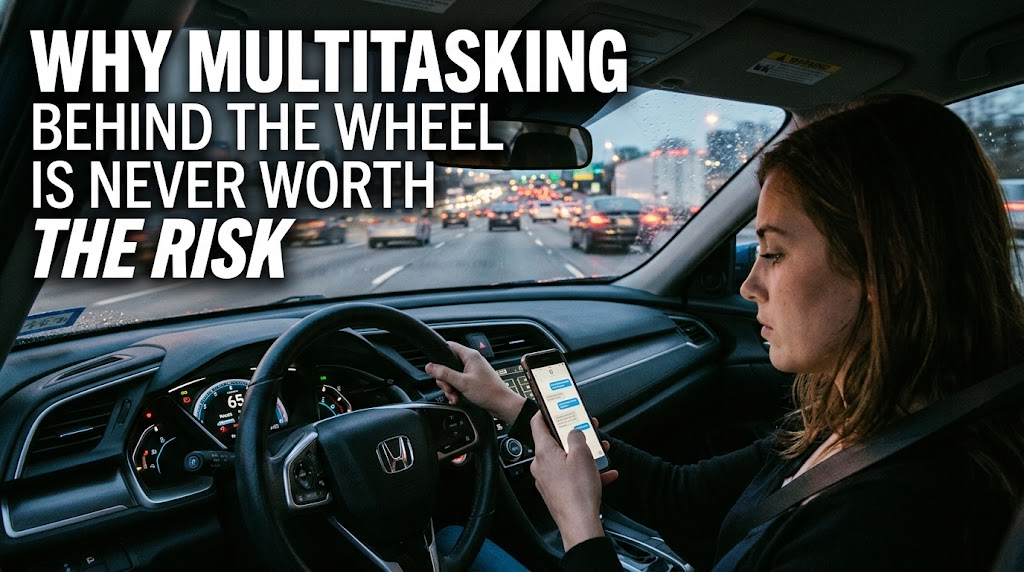
Driving often feels like a routine activity, especially when you have been behind the wheel for a while. You know your usual routes, recognize familiar intersections, and may feel comfortable handling everyday traffic. This familiarity can sometimes create a false sense of security. You might think checking a quick message, changing a song, or answering a passenger's question will not make much difference. After all, it only takes a few seconds, right?
Unfortunately, those few seconds can be enough to miss a changing traffic signal, overlook a pedestrian, or react too late when the vehicle ahead suddenly brakes. Driving requires constant attention, and even a momentary distraction can have serious consequences. For young drivers, learning to resist distractions is an essential part of developing safe habits. Quality Teen driver training Vancouver can help new drivers understand the dangers of divided attention and develop practical techniques for staying focused in different traffic conditions.
Multitasking behind the wheel is never worth the risk because driving demands more concentration than many people realize. Understanding why distractions are dangerous, recognizing common habits, and learning how to manage interruptions can help every driver make safer decisions.
What Does Multitasking Behind the Wheel Really Mean?
Multitasking is the attempt to perform multiple activities at the same time. In everyday life, people often switch between tasks while cooking, studying, working, or talking with friends. However, driving is different because it involves operating a moving vehicle in an environment that constantly changes.
A driver must monitor traffic, check mirrors, maintain a safe following distance, recognize road signs, anticipate other people's actions, and control the vehicle. These responsibilities require continuous visual, manual, and mental attention.
When another activity competes for that attention, driving performance can suffer.
For example, looking at a phone while approaching an intersection means you may not notice a pedestrian entering the crossing. Even if your eyes remain on the road, thinking deeply about a stressful conversation can prevent you from fully processing what is happening around you.
The problem is not simply doing two things at once. It is failing to give driving the attention it needs.
The Three Main Types of Driving Distractions
Understanding the different forms of distraction makes it easier to recognize risky behavior before it becomes a habit.
1. Visual Distractions
Visual distractions take your eyes away from the road. Common examples include:
- Reading or checking text messages.
- Looking at navigation instructions for too long.
- Searching for an item inside the vehicle.
- Watching something happening outside the car that is unrelated to driving.
- Looking down to adjust music or other controls.
Even a brief glance away can cause you to miss important information. Traffic conditions can change quickly, and the vehicle continues moving while your attention is elsewhere.
The safest approach is to set up navigation, music, and other essential controls before starting your journey. If you need to check something that requires looking away, pull over somewhere safe and legal first.
2. Manual Distractions
Manual distractions occur when you take one or both hands off the steering wheel to do something unrelated to controlling the vehicle.
Examples include holding a phone, opening food packaging, reaching into a bag, or trying to retrieve an object that has fallen onto the floor.
These actions can reduce your ability to steer smoothly or respond immediately to an unexpected situation. A small movement of the steering wheel can matter when you are traveling at speed or navigating a narrow road.
Keep loose objects secured and place frequently used items somewhere they cannot interfere with your driving.
3. Cognitive Distractions
Cognitive distractions affect your concentration and mental awareness. They can occur even when your hands are on the steering wheel and your eyes appear to be on the road.
Examples include:
- Having an emotionally intense conversation.
- Thinking about an argument or personal problem.
- Mentally preparing for an upcoming meeting.
- Becoming absorbed in a podcast or complicated discussion.
- Worrying about an exam, deadline, or family situation.
These distractions can be especially difficult to recognize because the driver may feel physically attentive. However, looking at the road does not automatically mean you are processing everything happening on it.
Safe driving requires your mind to remain engaged with the driving task.
Why Using a Phone While Driving Is So Dangerous
Mobile phones combine all three types of distraction. Checking a message takes your eyes off the road, handling the device takes your hands away from driving, and reading or composing a response occupies your mind.
This combination makes phone use particularly dangerous.
Imagine traveling through a busy neighborhood at 50 km/h. In just three seconds, your vehicle covers approximately 42 metres. If you spend those three seconds reading a notification, you may travel the length of several cars without properly observing the road ahead.
During that time, a child could step toward the road, a vehicle could change lanes, or traffic could come to a sudden stop.
Voice commands and hands-free systems can reduce the need to hold a device, but they do not eliminate mental distraction. A complicated conversation can still compete with the attention needed to recognize hazards and make timely decisions.
The simplest rule is also the safest: do not read, write, or interact with your phone while driving. If an important call or message requires your attention, stop in a safe, legal location before responding.
How Multitasking Affects Reaction Time and Decision-Making
Safe driving depends on noticing hazards early and responding appropriately. When attention is divided, both parts of this process can become less reliable.
Slower responses to unexpected hazards
A distracted driver may take longer to recognize that the vehicle ahead is braking or that a cyclist is approaching an intersection. That delay can reduce the time available to respond safely.
Poorer judgment
Distraction can make it harder to judge distances, identify gaps in traffic, or determine whether another vehicle is changing lanes. Drivers may also overlook subtle warning signs, such as a pedestrian looking toward a crossing or a vehicle slowing near a junction.
Reduced awareness of surrounding traffic
Drivers need to monitor more than the vehicle directly in front of them. They must also remain aware of nearby cyclists, pedestrians, motorcycles, and vehicles approaching from different directions.
When attention is divided, important details can go unnoticed.
Increased stress and loss of control
Trying to manage multiple activities can make driving feel more demanding. When something unexpected happens, a distracted driver may panic, brake harshly, or make an abrupt steering movement.
Staying focused helps drivers maintain smoother control and make more deliberate decisions.
Why Teen Drivers Need to Be Especially Careful
Teen drivers are often learning to manage several responsibilities that experienced drivers handle more automatically. They may still be developing their ability to anticipate hazards, judge traffic gaps, and respond confidently to unfamiliar situations.
Adding distractions makes these tasks even more difficult.
Social pressure can also play a role. A young driver may feel expected to answer friends quickly, respond to notifications, or participate in conversations with passengers. They might worry that ignoring a message will seem rude or that asking passengers to stay quiet will make the journey uncomfortable.
However, safe driving must come before social expectations.
Parents can help by setting clear rules about phone use, modeling distraction-free driving, and encouraging teens to speak up when a passenger becomes distracting. Practice should also include realistic situations, such as driving through busy intersections, managing navigation, and recognizing when it is better to stop before handling an interruption.
The goal is not simply to tell young drivers what they should avoid. It is to help them understand why these habits matter and give them the confidence to make safe choices independently.
Common Multitasking Habits Drivers Should Avoid
Some distractions seem harmless because they are part of everyday life. Recognizing them is the first step toward eliminating them.
Eating and drinking while driving
Opening containers, unwrapping food, or reaching for a drink can divert attention and interfere with vehicle control. Eat before leaving or take a break in a safe place when necessary.
Adjusting music and navigation
Searching through playlists or entering a new destination can draw your eyes and hands away from driving. Choose your music and enter your destination before moving. If the route needs to change, stop safely before adjusting the settings.
Reaching for objects
Trying to pick up a dropped phone, retrieve a wallet, or grab something from the back seat can cause sudden steering movements. Leave the object where it is until you can stop safely.
Talking with passengers
Conversations are not automatically dangerous, but loud arguments, jokes that demand visual attention, and emotionally intense discussions can distract a driver.
Passengers should respect the driver's need to concentrate. If a conversation becomes too demanding, it is perfectly reasonable to pause it until the vehicle is parked.
Driving while emotionally overwhelmed
Anger, anxiety, sadness, and exhaustion can affect concentration and judgment. If your emotions are making it difficult to focus, consider delaying the trip, asking someone else to drive, or taking time to settle down before leaving.
Practical Ways to Stay Focused Behind the Wheel
Avoiding distractions does not have to be complicated. A few consistent habits can make a meaningful difference.
Prepare before you start the engine
Adjust your seat, mirrors, and climate controls before moving. Set your navigation, choose your music, secure loose belongings, and make sure anything you need during the journey is accessible without reaching or searching.
Put your phone out of reach
Silence notifications, activate a driving mode, and place your phone in a bag or compartment where you cannot easily reach it. If you use navigation, set it up before departure and follow local laws regarding device use and mounting.
Allow enough time for your journey
Rushing increases stress and creates pressure to multitask. Leave early enough to account for traffic, parking, and unexpected delays. When you are not racing against the clock, it becomes easier to make calm, sensible decisions.
Keep passengers informed
Let passengers know that you need to concentrate. They can help by managing navigation, handling phone calls when appropriate, or waiting until the vehicle is parked before starting a demanding conversation.
Remember that a passenger should never distract the driver by holding a phone in a way that requires the driver to look at it or by encouraging unsafe behavior.
Take breaks on longer journeys
Fatigue makes it harder to maintain attention. On long trips, plan regular breaks, and stop sooner if you feel tired or mentally drained. If you are struggling to stay awake, do not rely on music, open windows, or conversation to make driving safe.
Practice focused driving
Make it a habit to scan the road, check mirrors, observe traffic signs, and anticipate what other road users might do next. When you notice your mind wandering, gently bring your attention back to the driving task.
If you need to deal with an interruption, find a safe and legal place to stop before doing so.
What Should You Do If You Become Distracted?
Even careful drivers can occasionally lose focus. What matters is recognizing the distraction and responding safely.
If you notice that your attention has shifted away from the road, stop the unrelated activity immediately. Return your eyes to the road, restore proper control of the vehicle, and assess the surrounding traffic.
Do not make a sudden maneuver simply because you realize you have missed something. If you have passed a turn, continue until you can change direction safely. If you need to respond to a message, find a suitable place to park.
If you are feeling overwhelmed, pull over safely when possible and take a moment to regain your composure.
Most importantly, avoid treating a near miss as proof that multitasking is manageable. Getting away with a distraction once does not mean it will be safe the next time.
Conclusion
Multitasking behind the wheel may seem convenient, but the potential consequences are far greater than the few seconds it saves. Whether you are checking a message, adjusting music, eating, or becoming absorbed in a conversation, divided attention can affect your awareness, reaction time, and ability to respond to unexpected hazards.
The good news is that safer driving habits are within everyone's reach. Prepare before each journey, keep your phone out of reach, manage passenger distractions, and make a commitment to give the road your full attention. Parents can reinforce these habits by setting a positive example, while young drivers can build confidence by practicing distraction-free driving from the beginning.
Developing these skills takes consistency, patience, and the willingness to put safety first. With guidance from experienced instructors and a commitment to responsible driving, learners can build habits that protect themselves and everyone around them. Benche Driving School can be a helpful starting point for learners looking to develop responsible driving habits and understand the importance of staying focused behind the wheel. Remember, reaching your destination safely will always matter more than answering a message or completing one more task along the way.

 English
 French
 Spanish
 Portuguese
 Deutsch
 Turkish
 Dutch
Dutch
 Italiano
 Russian
 Romaian
 Portuguese (Brazil)
 Greek
Greek
 Bengali