


How Does a GPR Survey Help Detect Underground Utilities Safely?
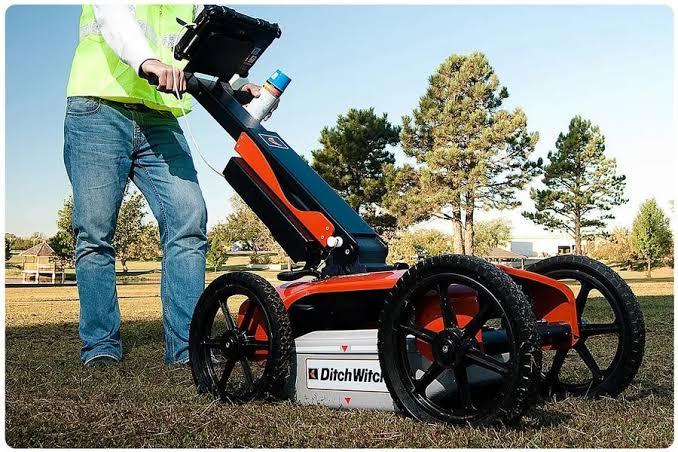
Improving Excavation Safety Through Underground Investigation
Underground utilities are essential for residential, commercial, and industrial infrastructure. Water pipelines, electrical cables, gas lines, and drainage systems often run beneath roads, buildings, and construction sites. Excavating without knowing their exact locations can cause serious accidents, expensive repairs, and unexpected project delays. Proper underground investigation helps construction teams understand potential risks before starting work. By identifying buried obstacles and reviewing existing utility records, contractors can make informed decisions, plan excavation routes, and protect important infrastructure. Early investigation also supports better coordination between engineers, site managers, and utility providers.
Understanding How Ground Penetrating Radar Works
Ground Penetrating Radar (GPR) is a non-destructive technology that uses electromagnetic waves to investigate underground conditions. During a Gpr Survey, specialized equipment sends radar signals into the ground and records the reflections produced by buried objects and changes in underground materials. Survey professionals analyze these signals to identify possible pipes, cables, voids, and other subsurface features. The process generally requires minimal surface disturbance, making it useful for roads, parking areas, industrial facilities, and developed properties. Its effectiveness depends on ground composition, moisture levels, target depth, and the characteristics of the objects being investigated.
Locating Different Types of Underground Utilities
One important benefit of GPR is its ability to investigate both metallic and certain non-metallic underground features. Depending on site conditions, it may help identify plastic pipes, concrete structures, electrical conduits, and other buried objects that conventional locating techniques might not detect easily. This capability makes GPR valuable when utility drawings are incomplete or existing infrastructure is poorly documented. However, detection results can vary in challenging soils, particularly those containing conductive clay or excessive moisture. Combining radar findings with electromagnetic locating equipment, available utility maps, and other verification techniques can improve the reliability of underground utility investigations.
Preventing Accidental Damage During Construction
Accidental contact with underground utilities can create dangerous situations for workers and surrounding communities. Damaged electrical cables may cause electric shock, while broken water pipelines can flood excavation areas and damage nearby structures. Gas line damage can present an especially serious safety risk. Conducting an underground survey before digging helps construction teams identify potential hazards and modify their work plans accordingly. It can also reduce repair costs, service interruptions, and unnecessary downtime. Although GPR cannot guarantee the detection of every buried utility, combining survey results with appropriate safety procedures and verification methods significantly improves excavation planning.
Supporting Accurate Survey Results and Reporting
Reliable underground detection requires more than collecting radar signals. Experienced survey professionals must interpret the data, distinguish possible utilities from other subsurface features, and consider the limitations of the equipment. Depending on the project, the final report may include marked utility locations, survey drawings, interpreted depths where reliable, and recommendations for further investigation. Clear reporting helps contractors understand areas of concern before excavation begins. It also improves communication between project stakeholders and supports more organized construction planning. Where utility locations remain uncertain, additional investigation or controlled exposure may be necessary to confirm their exact positions.
Integrating Ground Investigation With Other Testing Methods
Construction projects frequently require several types of investigation to evaluate different aspects of site safety and structural performance. For example, a Rapid Chloride Test helps assess chloride content in concrete or related samples, providing useful information when investigating possible reinforcement corrosion. Similarly, Residual Ring Shear testing measures the residual shear strength of soil and is particularly relevant to landslide investigations and slope stability assessments. These methods serve different purposes from GPR, which focuses on subsurface imaging. Using appropriate investigation techniques together helps engineers develop a broader understanding of site conditions and make better-informed decisions throughout construction and infrastructure maintenance projects.
Selecting the Right Approach for Utility Detection
Choosing an appropriate survey approach depends on the project's objectives, expected utility types, ground conditions, and excavation requirements. Before beginning, survey teams should review existing drawings, inspect the site, identify access restrictions, and determine suitable equipment and scanning coverage. Complex environments may require multiple locating techniques to improve confidence in the results. Clients should also understand the scope of the survey, reporting requirements, and any limitations that could affect detection accuracy. Planning these details in advance helps avoid unnecessary delays and supports safer construction practices. Most importantly, survey findings should be treated as part of a comprehensive utility safety process rather than a guarantee that every buried object has been identified.
Frequently Asked Questions
1. What is a GPR survey used for?
A GPR survey investigates underground conditions using radar technology. It can help identify buried utilities, pipes, cables, voids, and other subsurface features without immediately excavating the ground.
2. Can GPR detect plastic water pipes?
Yes, GPR can detect certain plastic pipes when their size, depth, surrounding materials, and ground conditions produce identifiable radar reflections. However, successful detection cannot be guaranteed at every site.
3. Is GPR safe for detecting underground electrical cables?
GPR is a non-destructive investigation method that can help locate underground electrical infrastructure. It supports safer excavation planning but should be combined with utility records, suitable locating equipment, and verification procedures.
4. How deep can ground penetrating radar detect utilities?
Detection depth depends on soil composition, moisture, antenna frequency, target size, and other site conditions. Survey professionals select equipment based on the expected depth and investigation requirements.
5. Can a GPR survey prevent all underground utility damage?
No survey method can guarantee the detection of every underground utility. Combining GPR with utility drawings, electromagnetic locating methods, careful excavation, and physical verification where necessary provides a more reliable safety approach.
6. When should a GPR survey be conducted?
A survey should generally be conducted before trenching, drilling, road cutting, foundation work, or other activities that disturb the ground. Early investigation allows project teams to address potential hazards before construction begins.
7. What factors affect GPR survey accuracy?
Soil type, moisture levels, conductive clay, buried object size, target depth, surface conditions, and nearby infrastructure can influence results. Professional data interpretation and complementary locating methods can help address these limitations.
8. Is GPR useful for commercial and industrial projects?
Yes, GPR can support utility investigations at factories, warehouses, office complexes, roads, parking facilities, and commercial properties. It helps project teams understand subsurface conditions before carrying out maintenance, renovation, or new construction.

 English
 French
 Spanish
 Portuguese
 Deutsch
 Turkish
 Dutch
Dutch
 Italiano
 Russian
 Romaian
 Portuguese (Brazil)
 Greek
Greek
 Bengali