


Gynaecomastia Surgery in Dubai: Compression Garments
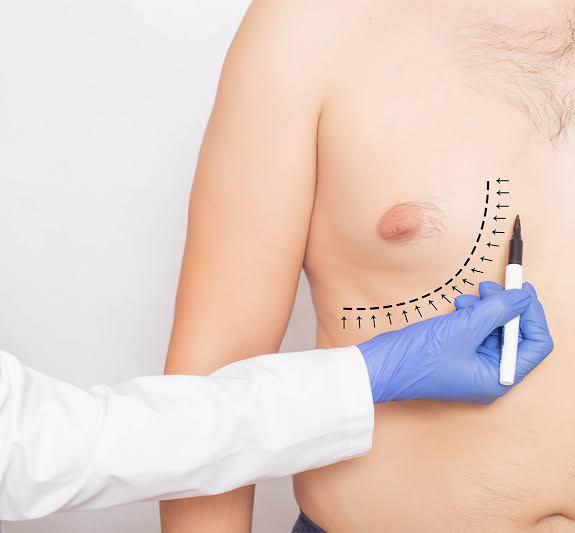
Compression garments are often recommended as part of recovery following male chest reduction. After gynaecomastia surgery in Dubai, a suitable garment may provide gentle support to the treated area while the body heals. However, the correct fit, wearing schedule, and duration depend on the procedure and the individual's recovery plan. Understanding how these garments are used can help patients manage postoperative care more comfortably.
What Is a Compression Garment After Gynaecomastia Surgery?
A compression garment is a close-fitting piece of clothing designed to apply controlled pressure to a specific area of the body. Following male chest surgery, it may be designed as a vest or chest wrap that covers the treated region.
The garment is intended to support the chest during the healing period. Depending on the surgical technique, it may also help manage swelling and reduce unnecessary movement of the treated tissues.
Not every patient requires the same type of compression. Your surgical team should explain whether a garment is recommended for your procedure and which design is appropriate for your chest.
Why Compression May Be Recommended
After tissue removal or liposuction, temporary swelling and fluid accumulation can occur. A properly fitted garment may provide support while these changes gradually settle.
Compression can also help the garment remain in place during routine movement, reducing friction against sensitive areas. Some patients find that gentle support makes everyday activities more comfortable during the initial recovery period.
However, compression garments do not guarantee a particular cosmetic result or prevent every complication. They should be considered one part of a broader aftercare plan that includes incision care, activity restrictions, and follow-up appointments.
How to Choose the Right Fit
The garment should fit securely without causing excessive pressure. A garment that is too loose may not provide the intended support, while one that is too tight can cause discomfort, skin irritation, or other problems.
When selecting a garment, follow the size and design recommendations provided by your surgical team. Consider whether the fabric allows comfortable movement and whether the fastenings make it easy to put on and remove without pulling on healing areas.
Do not choose a smaller size in an attempt to reduce swelling more quickly. Compression should be appropriate for your body and the procedure performed, not based on how tightly the garment can be fastened.
How Long Should You Wear It?
The recommended wearing schedule varies according to the surgical technique, the extent of tissue removal, and individual healing. Some patients may be instructed to wear the garment for much of the day during an initial period, while others may receive a different schedule.
Your healthcare provider should explain when it can be removed for bathing, dressing changes, and rest. Do not extend or shorten the prescribed schedule without discussing it with your care team.
As swelling decreases, the garment may begin to feel different. Ask whether the fit needs to be reviewed rather than changing to a tighter garment on your own.
Caring for the Garment During Recovery
Keeping the garment clean can help reduce irritation around the treated skin. Follow the manufacturer's washing instructions and any additional guidance from your surgical team.
If you have only one garment, ask how to manage washing and drying while still following the prescribed wearing schedule. Avoid using products that leave irritating residues on the fabric, particularly if your skin is sensitive.
Put the garment on carefully and avoid dragging it across incisions or dressings. If you need assistance, ask your care team to demonstrate a safe method before leaving your postoperative appointment.
Recognising Signs of Excessive Compression
A compression garment should not cause severe pain, numbness, unusual skin discolouration, or difficulty breathing. Persistent pressure marks, significant rubbing, or increasing irritation may also indicate that the fit needs assessment.
If the garment causes concerning symptoms, contact your surgical team promptly for advice. Difficulty breathing, severe chest pain, or sudden swelling requires urgent medical attention.
Do not assume that discomfort means the garment is working better. The purpose is appropriate support, not maximum tightness.
Compression Garments and Chest Contouring Results
The final chest contour depends on several factors, including the type of tissue removed, skin elasticity, surgical technique, and natural healing. A compression garment may support the recovery process, but it cannot compensate for every anatomical limitation or guarantee perfect symmetry.
Swelling can temporarily make the chest appear uneven or fuller than expected. The appearance generally becomes clearer as the tissues settle, although the timeline differs between patients.
Continue attending follow-up appointments so your healthcare provider can assess the developing contour and advise whether compression is still needed.
What to Ask Before Surgery
Before gynaecomastia surgery in Dubai, ask whether compression will be part of your aftercare plan, which garment is recommended, and how long you should wear it. Clarify how to manage bathing, washing, and any dressing changes.
You should also ask what to do if the garment becomes uncomfortable, how to recognise an unsuitable fit, and when its use can be reduced or stopped. Having clear instructions in advance can make the first days of recovery easier to manage.
Final Thoughts on Compression Garments After Gynaecomastia Surgery in Dubai
Compression garments may provide useful support during male chest reduction recovery when they are fitted correctly and used according to professional guidance. The best approach is to follow an individual wearing schedule, monitor your skin, and report any unusual discomfort. TAJMEELS CLINIC can be part of your research as you explore gynaecomastia surgery in Dubai and prepare questions about postoperative garments, recovery expectations, and ongoing care.
For More Details, Contact Us Through:
WhatsApp: +971 56 203 8751
Phone: +971 4 373 9000
Social Media:

 English
 Arabic
 French
 Spanish
 Portuguese
 Turkish
 Dutch
Dutch
 Italiano
 Russian
 Romaian
 Portuguese (Brazil)
 Greek
Greek
 Bengali