


How to Get Rid of Face Pigmentation?
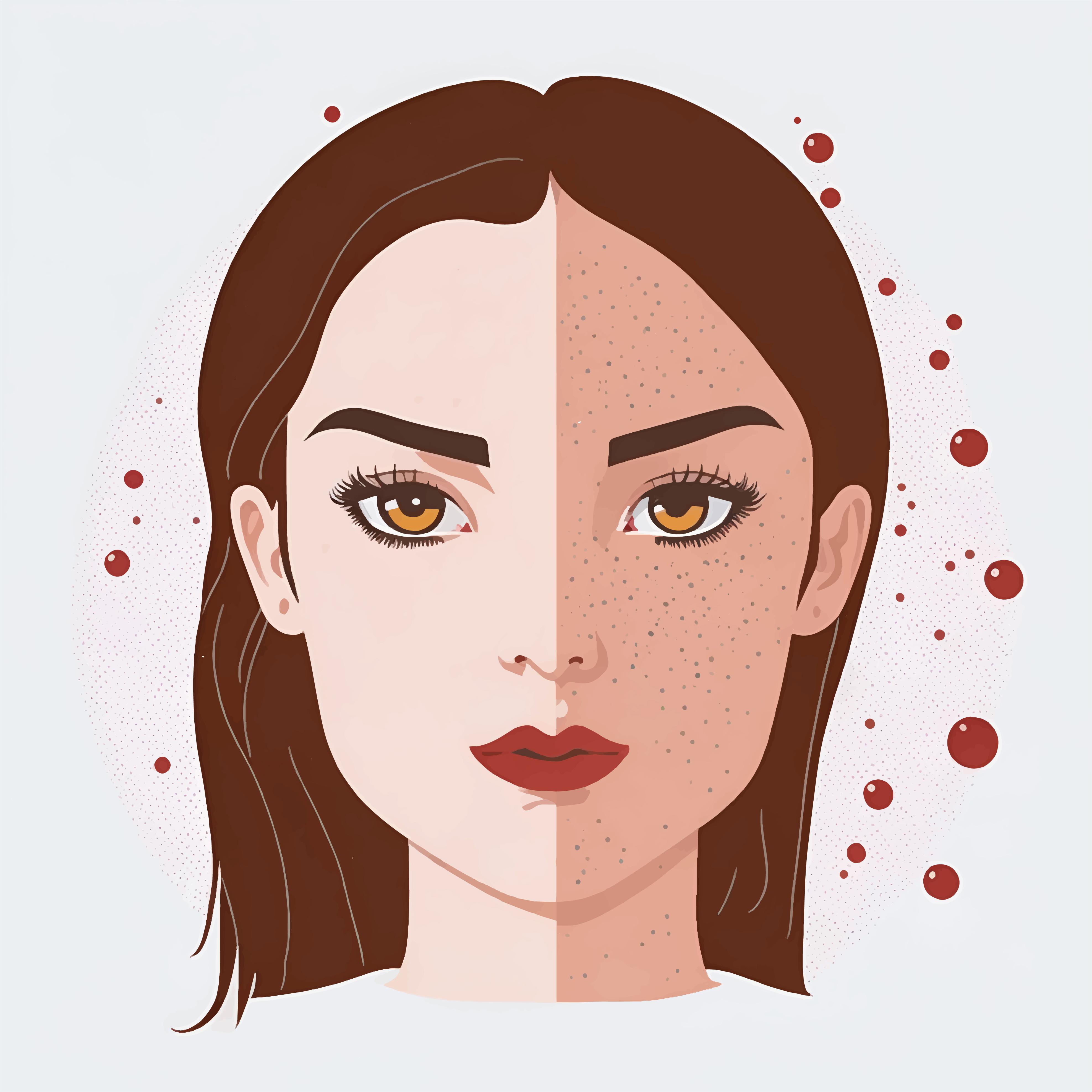
Dark patches, uneven skin tone, and brown spots on the face are common concerns for many people. Face pigmentation can appear on the cheeks, forehead, upper lip, nose, or around the mouth. While it is usually not harmful, it can make the skin look uneven and may affect confidence.
The good news is that pigmentation can often be managed with the right skincare habits and suitable treatment. However, the first step is understanding why it has appeared and what may be making it worse.
What Causes Pigmentation on the Face?
Pigmentation happens when the skin produces more melanin than usual in certain areas. Several everyday factors can contribute to this change.
Sun Exposure
Regular exposure to sunlight is one of the most common reasons for increased pigmentation. UV rays can stimulate melanin production, making existing dark spots more noticeable.
Hormonal Changes
Hormonal changes can sometimes lead to conditions such as melasma. This may cause brown or greyish patches, particularly on the cheeks, forehead, nose, and upper lip.
Acne and Skin Injuries
Dark marks can remain after pimples, cuts, burns, or other skin irritation. This is known as post-inflammatory pigmentation and may gradually fade with time.
Incorrect Skincare Products
Using harsh scrubs, strong products, or unsuitable skincare ingredients can irritate the skin. Repeated irritation may make pigmentation appear darker or last longer.
Age and Lifestyle
Pigmentation can also become more noticeable with age. Stress, lack of sleep, and certain lifestyle habits may affect overall skin health, although they are not always the direct cause of pigmentation.
Simple Ways to Manage Face Pigmentation
There is no single solution that works for every type of pigmentation. A consistent routine can, however, help prevent the problem from becoming worse.
Use Sunscreen Every Day
Daily sunscreen is one of the most important steps. Choose a broad-spectrum sunscreen and apply it to exposed areas of the face. If you spend time outdoors, reapplication may be needed.
Remember that sunscreen is useful even when the weather is cloudy. UV exposure can still occur during the day.
Avoid Picking or Scratching the Skin
Picking pimples or repeatedly rubbing irritated areas can leave darker marks. Allow blemishes and irritated skin to heal naturally instead of trying to remove them aggressively.
Keep Your Skincare Routine Simple
A gentle cleanser, moisturiser, and sunscreen can form the basic routine. Avoid adding several active ingredients at once, especially if your skin is sensitive.
Be Careful With Home Remedies
Many home remedies for pigmentation are shared online, but natural does not always mean safe for the skin. Ingredients such as lemon juice or undiluted essential oils may cause irritation and can potentially make pigmentation worse.
When Should You Consider Professional Treatment?
If pigmentation does not improve despite consistent skincare, it may be worth consulting a qualified skin specialist. Professional assessment can help identify whether the pigmentation is related to sun exposure, acne, hormones, or another cause.
Depending on the type and depth of pigmentation, a dermatologist may recommend options such as topical treatments, chemical peels, or laser-based procedures. The right option depends on the individual's skin type and the cause of pigmentation.
For people looking for professional Pigmentation Treatment, an assessment before starting treatment is important. It helps determine the most suitable approach instead of choosing a treatment based only on online recommendations.
How Long Does It Take for Pigmentation to Improve?
Pigmentation usually does not disappear overnight. Some mild dark marks may gradually become lighter over several weeks or months, while deeper or recurring pigmentation can take longer.
Consistency is important. Even after the skin starts looking clearer, continuing sunscreen and following a suitable skincare routine can help reduce the chances of pigmentation returning.
Can Pigmentation Come Back?
Yes. Pigmentation can return, especially when the original trigger is still present. Sun exposure, hormonal changes, acne, and skin irritation can all contribute to recurrence.
This is why treatment should not be viewed as the only step. Protecting the skin from sunlight and maintaining a gentle skincare routine are equally important for long-term results.
Conclusion
Getting rid of face pigmentation requires patience and the right approach. Start with daily sun protection, avoid harsh skincare practices, and pay attention to the possible cause of the pigmentation. If dark patches continue or keep returning, professional evaluation can help you understand the problem and choose a suitable treatment plan. With consistent care, uneven skin tone can often be improved and healthier-looking skin can be maintained.

 English
 Arabic
 French
 Spanish
 Portuguese
 Deutsch
 Turkish
 Dutch
Dutch
 Russian
 Romaian
 Portuguese (Brazil)
 Greek
Greek
 Bengali