


How Can a Wooden Door Match Your Home Interior?
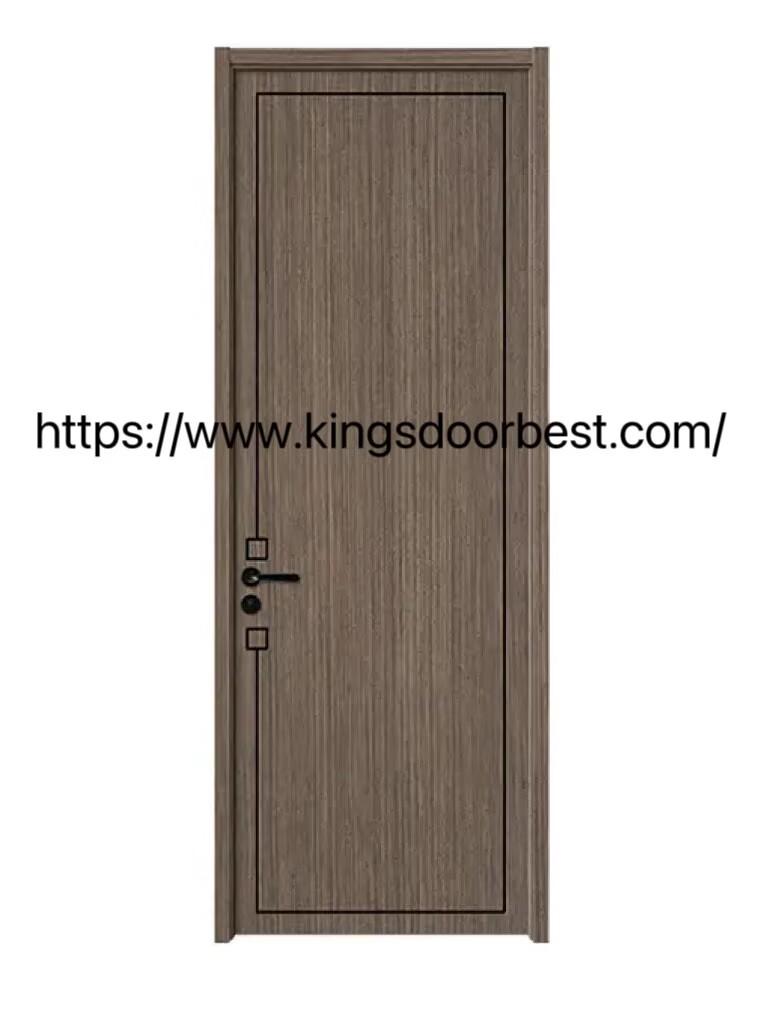
Wooden Door selection involves several considerations beyond color and appearance. Buyers should review construction, surface treatment, dimensions, hardware compatibility, and intended use before confirming an order. For homeowners, contractors, distributors, and property developers, these details help connect product choices with practical project requirements. Preparing specifications in advance also makes communication with manufacturers more efficient and helps reduce avoidable changes during purchasing and installation.
Identify the Material and Construction
Before comparing designs, clarify the materials used in the product. Interior models may feature solid timber, engineered panels, composite structures, or combinations of different materials. Each construction has its own characteristics, so buyers should not assume that similar-looking products have identical internal structures.
Ask the manufacturer about the core, frame, panel thickness, and assembly method. These details can influence weight, handling, hardware installation, and suitability for the intended space. If the project has particular requirements for sound separation, moisture exposure, or fire safety, confirm the relevant specifications before ordering.
It is also useful to request a technical sheet or product drawing. Written documentation allows purchasing teams, designers, and installers to work from consistent information rather than relying on photographs or informal descriptions.
Evaluate Surface Finishes and Colors
The finish plays an important role in how an interior looks and feels. Natural grain patterns, painted surfaces, decorative films, and textured treatments can create different visual effects. Available options depend on the model and the manufacturer's customization arrangements.
Consider the existing flooring, furniture, wall colors, cabinetry, and lighting before choosing a finish. A warm tone may complement neutral furniture, while a darker shade can coordinate with contrasting decorative elements. The goal is to create a consistent interior scheme without requiring every surface to match exactly.
Request samples or detailed photographs when possible. Lighting can change the perceived color, and grain patterns may vary between individual pieces. For projects involving multiple rooms, discuss acceptable finish variations and confirm the selected color before production.
Maintenance should also be considered. Ask about recommended cleaning methods and whether certain chemicals or abrasive materials could affect the surface. This information helps buyers select a finish that suits the expected usage and care routine.
Check Measurements and Fitting Requirements
Accurate measurements help prevent installation delays and additional work. Before placing an order, record the opening width, height, wall thickness, and available frame space. If an existing frame will remain in place, check its condition and compatibility with the planned product.
Hardware details should be confirmed at the same time. Buyers should specify hinge positions, handle styles, lock preparation, opening direction, and any special fitting requirements. These decisions can affect both installation and the final appearance.
For customized projects, provide measurements in writing and review the technical drawing carefully. Confirm whether the stated dimensions refer to the panel itself, the frame, or the complete assembly. If the opening is uneven or the site has unusual conditions, share this information with the manufacturer before production begins.
A clear approval process is especially useful for contractors and property developers managing multiple units. It allows the purchasing team to verify the specification before manufacturing and coordinate installation arrangements in advance.
Match the Design to the Building
The selected style should complement the architecture and the room's intended purpose. Flat panels and restrained colors may suit contemporary apartments, while decorative profiles can work with traditional interiors. The appropriate choice depends on the design plan, available space, and preferences of the property owner.
Consider how the product will look alongside wardrobes, wall panels, skirting boards, flooring, and other interior features. Also think about the opening direction and nearby furniture, especially in compact rooms where space is limited.
For commercial projects, visual consistency across rooms may be important. Buyers can prepare a schedule listing the required sizes, finishes, and styles for each area. Reference images and interior drawings can help the manufacturer understand the design requirements and reduce confusion during customization.
Compare Quotations and Customization Options
A quotation should explain what is included in the purchase. The total cost may depend on materials, dimensions, construction, surface treatment, hardware, customization, order quantity, packaging, and delivery arrangements. Comparing prices without checking these details may result in an incomplete assessment.
Ask suppliers to document the agreed specifications and identify any additional charges. If the project requires a non-standard size, special color, or particular panel arrangement, confirm whether the option is available and whether it affects the production schedule.
For larger orders, discuss minimum quantities, payment terms, packaging methods, and estimated dispatch dates. Buyers should also clarify how changes are handled after approval. Keeping updated written records helps the manufacturing team follow the latest requirements and supports smoother coordination between all parties.
Consider the Manufacturer's Communication and Service
The supplier's communication process is an important part of purchasing. Buyers can ask about product documentation, sample availability, customization procedures, inspection arrangements, packaging, and shipping coordination. Clear responses help establish expectations before an order is confirmed.
kingsdoorbest provides interior product options for residential and commercial projects. When discussing a purchase, share the intended application, estimated quantity, dimensions, preferred finish, and hardware requirements. These details give the manufacturer a clearer understanding of the project and help the team respond to specific needs.Before final approval, check the quotation, technical drawing, and order details together. Confirm that all agreed specifications are recorded and that delivery arrangements match the project schedule. To review available products and discuss your requirements, visit https://www.kingsdoorbest.com/ and contact the team with your preferred design, dimensions, quantity, and intended application.

 English
 Arabic
 French
 Spanish
 Portuguese
 Deutsch
 Turkish
 Dutch
Dutch
 Italiano
 Russian
 Romaian
 Portuguese (Brazil)
 Bengali