


Botox in Islamabad: Which Less-Common Treatment Areas Can Be Considered?
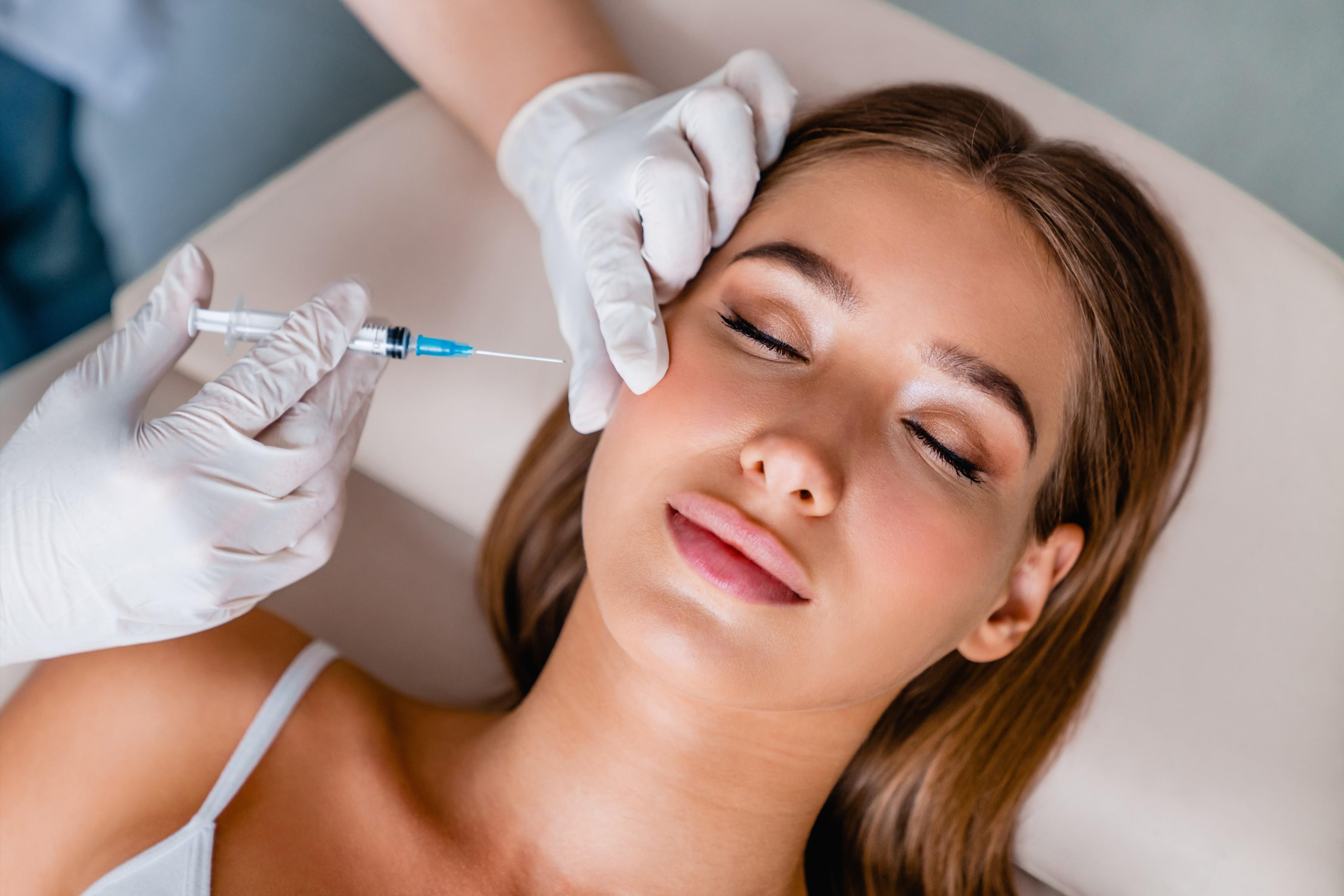
When most people hear about Botox, they immediately think about forehead lines and wrinkles around the eyes. However, Botox In Islamabad can also be considered for several less-common cosmetic and medical concerns when muscle activity or nerve signaling contributes to the problem. These treatment areas require careful assessment because they often involve smaller muscles or more sensitive anatomical regions.
From the chin and jaw to the neck, nose, and even excessive sweating, Botox has applications beyond traditional wrinkle reduction. The important point is that not every treatment is suitable for every patient, and results depend heavily on anatomy, technique, and the reason behind the concern.
Why Is Botox Used Beyond Wrinkle Treatment?
Botox is a purified form of botulinum toxin that temporarily affects nerve signals responsible for muscle contraction. This basic mechanism is why it can be useful for concerns that are not necessarily related to traditional facial wrinkles.
When a specific muscle is excessively active, reducing its movement can sometimes improve the appearance or symptoms associated with that activity. The treatment works by modifying muscle or nerve activity rather than physically changing the underlying tissue.
This makes Botox different from treatments such as dermal fillers, which primarily add volume or restore contours.
Botox In Islamabad: Which Less-Common Areas May Be Considered?
Depending on the patient's concerns and medical suitability, Botox may be discussed for several areas outside the most familiar facial wrinkle zones.
- Masseter muscles: Botox may reduce excessive masseter activity and gradually soften a wide or square-looking lower face.
- Chin: It can sometimes help reduce chin dimpling or a cobblestone-like texture caused by mentalis muscle activity.
- DAO muscles: Treating the depressor anguli oris may soften a downward pull at the corners of the mouth.
- Platysma bands: Botox may reduce visible vertical neck bands caused by platysma muscle contraction.
- Bunny lines: Carefully placed Botox may soften dynamic wrinkles that appear along the sides of the nose.
- Gummy smile: In selected cases, reducing excessive upper-lip movement may decrease the amount of gum visible when smiling.
- Underarm sweating: Botox can temporarily reduce excessive sweating by affecting nerve signals to sweat glands.
- Facial asymmetry: It may help balance certain movement-related differences when one muscle is significantly more active than the other.
These applications are highly individualized. The potential benefit depends on whether the specific concern is actually caused by the muscle or nerve activity that Botox can influence.
Masseter Botox for a Wider Jaw
The masseter muscles are powerful chewing muscles located along the sides of the jaw. When they become particularly prominent, they can contribute to a wider or more square-looking lower face.
Botox can temporarily reduce masseter activity, and the muscle may gradually become less bulky with reduced use. This can create a softer and potentially narrower-looking jawline without surgical bone reduction.
However, Botox cannot reshape a naturally broad jawbone. Patients whose facial width is primarily skeletal may therefore see limited changes.
Botox for Chin Dimpling
A dimpled or uneven chin can sometimes be related to excessive activity of the mentalis muscle. When this muscle contracts, it can pull the overlying skin and create a rough or cobblestone-like texture.
Carefully administered Botox may relax excessive mentalis activity and allow the skin to appear smoother. The goal is to soften muscle-related texture while maintaining normal lower-lip and chin movement.
The treatment may not completely remove texture caused by skin quality or underlying anatomy, so realistic expectations are important.
Botox for a Downturned Mouth
Some people naturally have corners of the mouth that point downward, creating a serious, sad, or tired-looking expression. In certain cases, the depressor anguli oris muscle contributes to this appearance.
Botox can temporarily reduce the downward pull of this muscle. Relaxing excessive DAO activity may allow the mouth corners to sit in a more neutral-looking position.
Because several muscles work together around the mouth, treatment requires particularly careful placement and conservative dosing.
Botox for Platysma Bands
The platysma is a thin muscle extending across the front and sides of the neck. When it contracts strongly, vertical bands can become more visible, particularly during facial expressions or neck tension.
Botox may reduce the strength of these contractions and make the bands appear softer. For selected patients, this can also create a smoother transition between the jawline and neck.
However, Botox does not remove loose skin or excess fat. If these are the main causes of poor neck definition, another treatment approach may be more appropriate.
Botox for Bunny Lines
Bunny lines are small dynamic wrinkles that appear along the sides of the nose when a person smiles, wrinkles the nose, or makes certain facial expressions.
In selected cases, Botox can reduce excessive movement of the muscles responsible for these lines. The objective is to soften the movement without interfering with natural nasal or facial expression.
Because the nose is a relatively delicate treatment area, precision and appropriate dosing are particularly important.
Botox for a Gummy Smile
A gummy smile occurs when more gum than desired becomes visible while smiling. One contributing factor can be excessive upward movement of the upper lip.
In selected patients, Botox may reduce the activity of muscles responsible for excessive upper-lip elevation. This can limit how far the upper lip rises and potentially reduce visible gum exposure.
However, a gummy smile can have several causes, including tooth position, gum proportions, lip anatomy, and jaw structure. Botox is therefore not suitable for every case.
Botox for Excessive Underarm Sweating
Botox is not limited to facial treatments. It can also be used for excessive underarm sweating, medically known as axillary hyperhidrosis.
The injections can interfere with nerve signals that stimulate sweat production in the treated area. This can temporarily reduce excessive sweating and make everyday activities more comfortable.
The effect is temporary, and treatment may need to be repeated when sweating gradually returns.
Botox for Facial Muscle Asymmetry
Natural facial asymmetry is common, but differences in muscle activity can sometimes make one side move more strongly than the other.
For example, one eyebrow may rise higher, one side of the mouth may pull more strongly, or one muscle may create deeper expression lines. Botox can sometimes balance these differences by reducing excessive movement on the stronger side.
This requires individualized treatment because the goal is not to make the face perfectly symmetrical, but to improve overall visual balance.
Are Less-Common Botox Treatments Safe?
Botox can be used in many treatment areas, but less-common applications require particularly careful assessment. Small facial muscles can influence important functions such as smiling, speaking, chewing, and swallowing.
Temporary redness, swelling, bruising, or tenderness can occur after injections. Incorrect placement or excessive dosing can also affect nearby muscles, which is why anatomical expertise is essential.
Patients should provide complete information about medications, allergies, medical conditions, previous Botox treatments, and other cosmetic procedures during consultation.
Why Technique Matters in Unusual Treatment Areas
Treating less-common areas is not simply about knowing where to inject Botox. The practitioner needs to understand how individual muscles interact and how reducing one muscle's activity may affect surrounding structures.
The amount used may also differ considerably from one patient to another. A conservative, anatomy-based approach can help preserve natural movement while targeting the specific concern.
This is especially important around the mouth, jaw, and neck, where several muscles work together.
What Should You Discuss During Consultation?
A consultation should focus on the actual cause of the concern rather than simply selecting a treatment based on appearance. The practitioner may assess muscle activity, facial movement, skin quality, anatomy, and previous treatments.
Patients should also explain what they want to change and what they want to preserve. Clear expectations help create a treatment plan that aims for subtle and proportionate results.
If Botox is unlikely to address the underlying problem, another option may be more appropriate.
Final Thoughts
Botox has applications far beyond traditional forehead and eye-area wrinkles. Depending on individual anatomy, it may be considered for the masseters, chin, mouth corners, platysma bands, bunny lines, gummy smile, excessive sweating, and certain forms of facial muscle asymmetry.
For patients considering Botox In Islamabad, Dynamic Clinic PK offers professional expertise, board-certified surgeons, and advanced techniques relevant to modern aesthetic and medical Botox applications, with treatment plans tailored to individual needs and facial anatomy.
Meta Description:
Explore less-common Botox In Islamabad treatment areas, including the jaw, chin, neck, mouth, bunny lines, gummy smile, and excessive sweating.

 English
 Arabic
 French
 Portuguese
 Deutsch
 Turkish
 Dutch
Dutch
 Italiano
 Russian
 Romaian
 Portuguese (Brazil)
 Greek
Greek
 Bengali