


Could ShanghaiMsd PVC Inflatable Boat Fabric Suit Your Boat Project?
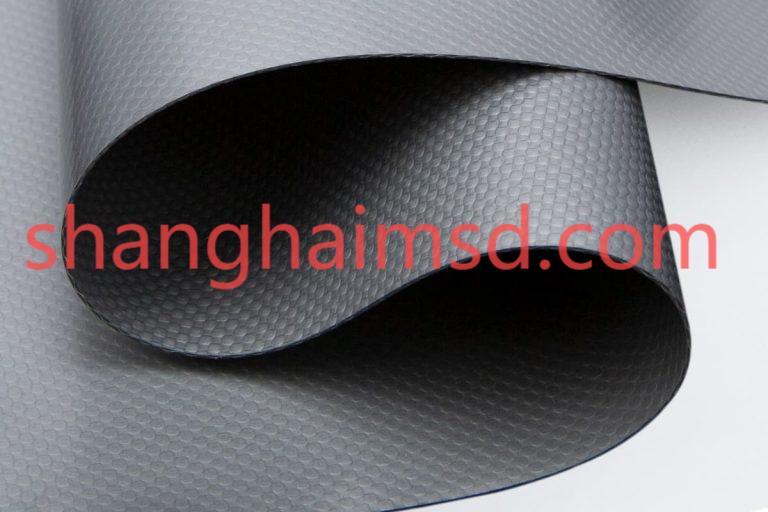
When a watercraft design depends on flexible construction, PVC Inflatable Boat Fabric can become an important material choice, while ShanghaiMsd provides coated fabric solutions intended for manufacturers developing inflatable boats and related marine products. The material is closely connected with the way a vessel is designed, assembled, inflated, handled, and stored. For manufacturers, choosing an appropriate coated fabric is not simply about appearance; it involves considering fabrication methods, flexibility, surface characteristics, seam construction, and the environment in which the finished watercraft will be used.
Inflatable boats have a distinctive construction method. Instead of relying on a rigid hull alone, they use flexible chambers to create their form and buoyancy. This places particular attention on the material surrounding those chambers. The fabric needs to cooperate with production processes while remaining suitable for repeated handling and practical use.
PVC-coated fabrics are widely considered for inflatable products because their layered structure can combine a textile base with a protective polymer coating. The textile contributes reinforcement, while the coating creates a surface designed for contact with moisture and everyday environmental conditions. Depending on the application, manufacturers may evaluate flexibility, coating adhesion, abrasion resistance, weldability, and surface finish before selecting a material.
Seam construction is another essential part of inflatable boat manufacturing. Individual fabric sections must be joined carefully to create chambers capable of retaining air. Depending on the material formulation and production process, techniques such as heat welding can be used to create connected sections. A well-planned joining process can contribute to consistent assembly and help manufacturers maintain the intended shape of the finished product.
Different watercraft concepts may require different design approaches. Recreational boats, fishing boats, rescue craft, tender boats, training vessels, and floating equipment can each involve different construction priorities. Some designs may emphasize compact storage, while others may require additional seating, handles, protective components, attachment points, or integrated accessories. The selected fabric should therefore be evaluated as part of the complete product rather than as an isolated component.
Portability is another factor that influences inflatable boat design. Flexible watercraft can be deflated and folded or rolled for storage and transportation, offering a different handling approach from rigid vessels. This characteristic can be valuable for users who need to move their equipment between storage locations, vehicles, shorelines, or launch areas.
Surface appearance also has a role in product development. A suitable coated fabric can provide a consistent base for colors, graphics, identification marks, and decorative elements. For commercial manufacturers, visual details can help establish a recognizable product style while allowing the material to remain closely connected with the functional construction.
Marine environments can present changing conditions. Water, sunlight, temperature variation, contact with different surfaces, and repeated folding may all influence how a finished inflatable product is handled. Manufacturers can consider these factors early in the material selection process and match the fabric construction with the expected application.
Production efficiency should also be part of the conversation. Cutting, welding, printing, folding, assembly, and finishing all interact with the selected material. A fabric that fits the intended manufacturing process can help production teams work with greater consistency, while early communication with a supplier may help identify suitable material characteristics before fabrication begins.
For product developers, material selection can become an opportunity to refine the entire boat concept. The relationship between fabric, chamber design, seams, accessories, and intended use can influence the final structure. Thinking about these elements together allows manufacturers to approach development from both practical and creative perspectives.
A flexible watercraft begins as an idea, but the right material can give that idea a workable form. If you are planning an inflatable boat, marine accessory, or new water-based product, take a moment to see what material possibilities may fit your concept. Visit https://www.shanghaimsd.com/product/ and let your next design journey start with a closer look at the surface beneath the idea.

 English
 Arabic
 French
 Spanish
 Deutsch
 Turkish
 Dutch
Dutch
 Italiano
 Russian
 Romaian
 Portuguese (Brazil)
 Greek
Greek
 Bengali