


What Should Buyers Check Before Choosing Flat Pallets
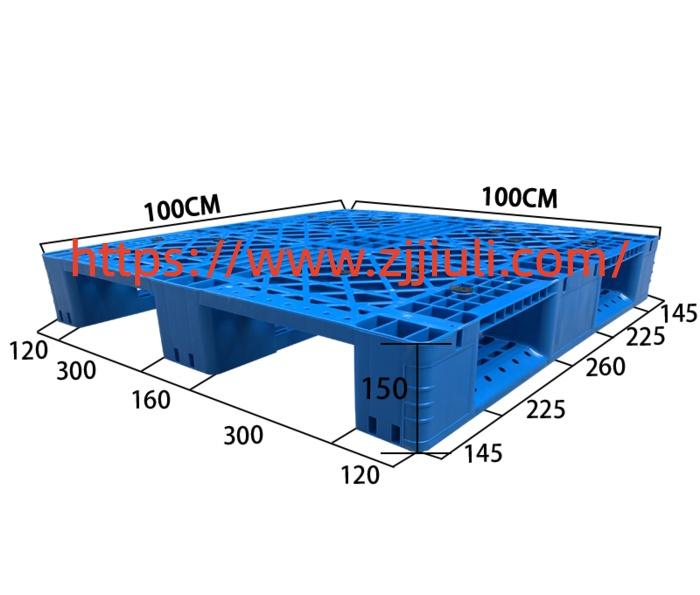
Flat Pallets should be evaluated according to the actual requirements of the goods, warehouse layout, transportation method, and handling equipment. For purchasing teams, selecting a suitable product involves more than checking dimensions or appearance. Factors such as material, load capacity, entry configuration, surface structure, cleaning requirements, and intended usage can all influence whether a solution fits a particular logistics process. A careful assessment at the beginning can help businesses make a more suitable purchasing decision.
The first point to review is the size of the goods being transported. Cartons, bags, containers, and industrial components can have very different footprints. A suitable base should provide enough supporting area without creating unnecessary unused space. Buyers can measure typical loads and consider how products are arranged before selecting dimensions. This is especially useful when goods need to pass through fixed aisles, storage positions, loading areas, or vehicle compartments.
Load requirements also deserve close attention. Businesses should consider both the weight of individual loads and how that weight is distributed. A concentrated load can place different demands on a product compared with evenly distributed cartons. Purchasing teams should review manufacturer specifications and compare them with actual operating conditions. Static storage, dynamic movement, and racking applications may also involve different requirements.
Material is another important consideration. Plastic products are available in different material formulations and structural designs, and the appropriate choice depends on the working environment. Indoor warehouses, export operations, food related applications, and areas exposed to moisture may have different needs. Buyers can review resistance to moisture, cleaning procedures, temperature conditions, and expected handling frequency before making a decision.
Entry configuration is particularly relevant when forklifts and pallet jacks are part of the workflow. Operators need equipment access that matches the way goods are moved within the facility. Buyers should consider entry direction, opening dimensions, equipment type, and handling practices. A mismatch can make routine movement less convenient, so compatibility should be checked before purchasing larger quantities.
Surface design can affect load placement as well. Some goods require a more stable contact area, while other applications may benefit from drainage or easier cleaning. The type of merchandise should guide this decision. Products that are frequently washed or exposed to moisture may require construction that supports practical maintenance. Businesses should connect these characteristics with their actual working conditions rather than selecting a design based only on appearance.
Warehouse layout is another factor that should not be overlooked. Purchasing teams can check aisle widths, rack dimensions, loading zones, staging areas, and available storage positions. When product dimensions correspond well with the existing layout, employees can move goods through the facility with fewer adjustments. Consistent sizing can also make classification easier, allowing different goods to be assigned to clearly defined areas.
Transportation requirements should be considered at the same time. Goods may travel by truck, container, rail, or other shipping methods, and each route can create different space limitations. Buyers can review how units are positioned during loading and unloading and whether their dimensions allow practical use of available vehicle space. For international shipments, weight, handling practices, and destination requirements can also influence purchasing decisions.
Durability and repeated use are worth examining for businesses that operate returnable logistics systems. Instead of looking only at the initial purchase cost, companies can consider expected service conditions, handling frequency, cleaning routines, storage practices, and maintenance needs. This broader view can help purchasing teams estimate how the product will fit into their regular logistics cycle.
Another useful step is to consider future operational changes. A warehouse may introduce new handling equipment, modify storage arrangements, or expand its distribution activities. Selecting products that can work with the existing process while allowing reasonable flexibility can make later adjustments easier. Buyers should discuss anticipated changes with manufacturers when specifications are not fully defined.
For manufacturers and distributors, practical product design should respond to real warehouse requirements. Dimensions, material characteristics, structural design, load conditions, and equipment compatibility can all influence how a product performs within a logistics process. Buyers can compare these details with their own operating environment and select a configuration that matches their intended application.
A thoughtful purchasing process can reduce the chance of selecting equipment that does not fit the intended workflow. Start by identifying the goods, measuring available spaces, reviewing load conditions, checking handling equipment, and considering cleaning and transportation requirements. These steps provide a practical framework for comparing different options and planning a consistent logistics system. Businesses evaluating suitable products can visit https://www.zjjiuli.com/ to review available product information and connect their purchasing decisions with specific storage, handling, and transportation requirements.

 English
 Arabic
 French
 Spanish
 Portuguese
 Deutsch
 Turkish
 Dutch
Dutch
 Italiano
 Romaian
 Portuguese (Brazil)
 Greek
Greek
 Bengali