


Mice in the Engine Bay: How Edmonton's Winter Rodents Wreck Cars — and Their Resale Value
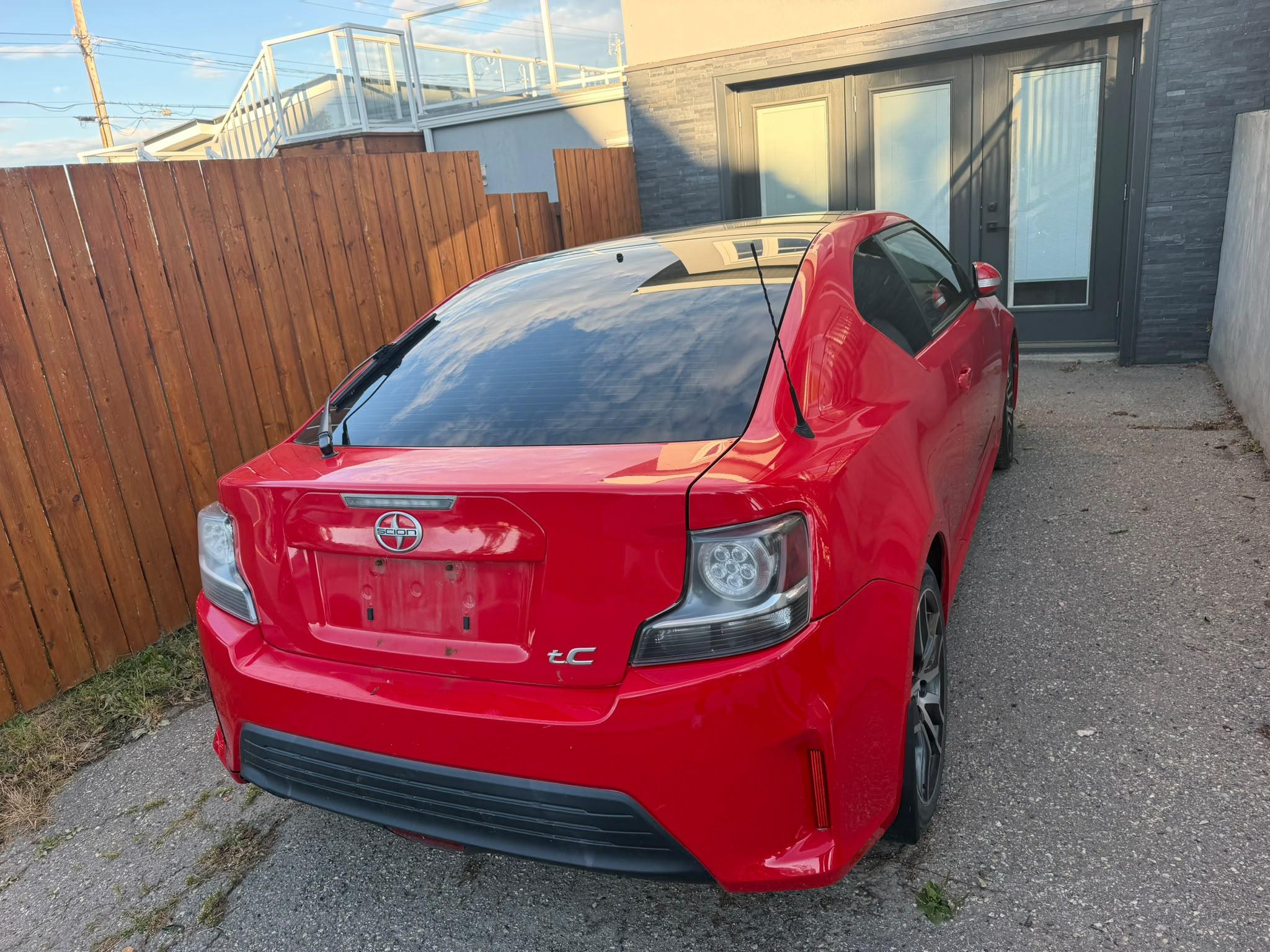
It usually starts with something small. A strange smell from the vents when you turn on the heat. A few seeds and shredded paper on top of the engine. Then one morning the car won't start, the dashboard lights up like a Christmas tree, and the mechanic calls to say the wiring has been chewed through in a dozen places.
Every fall, as Edmonton nights turn cold, mice and other small rodents start looking for somewhere warm, dry and sheltered to spend the winter. A parked car — especially one in a garage, near a field, or that doesn't get driven often — can look like the perfect home. This guide explains why rodents move into cars, how to spot the signs early, what the damage really costs, how to clean up safely, and what to do if the repair bill turns out to be more than the car is worth.
Why Mice Love Edmonton Cars in the Fall
From a mouse's point of view, a parked car offers almost everything it needs:
• Warmth. An engine that was recently driven stays warm for hours, and a block heater adds even more heat on cold nights.
• Shelter. The engine bay, air filter box and cabin air intake are dark, enclosed and protected from wind and snow.
• Nesting material. Insulation, seat foam, carpet fibres and paper receipts all make good nesting material.
• Food. Crumbs, fast-food bags and pet food in the car, or bird seed and grain stored in the garage nearby.
The risk is highest for cars that sit for days or weeks without being driven — second cars, project cars, vehicles stored over winter — and for homes on the edge of the city, near fields, ravines and the river valley, where rodent populations are naturally higher.
The Warning Signs: Check Your Car This Week
1. Droppings. Small dark pellets on top of the engine, in the trunk or in the glove box.
2. Nests. Shredded insulation, paper, leaves or grass packed into the air filter box, the cabin air intake below the windshield, or corners of the engine bay.
3. A musty or urine smell. Especially noticeable when you switch on the heat or fan.
4. Chewed wires or hoses. Bite marks on wiring, vacuum lines or insulation under the hood.
5. Food stashes. Seeds, nuts or dog food hidden in odd places, like the spare tire well or behind panels.
6. New warning lights. Sudden electrical faults, sensor warnings or a car that won't start can all be caused by chewed wiring.
7. Weak airflow. A blocked cabin air filter can cut airflow from the vents and leave windows fogging up.
If you spot two or more of these, it's worth opening the hood and checking the air filter box before you drive much further.
What Rodent Damage Actually Costs
Some rodent damage is a nuisance. Some can total an older car. Here's a rough idea of the range:
|
Damage |
Typical impact |
Example repair cost |
|
Nest in the air filter or cabin filter |
Smell, poor airflow |
$50 – $200 to replace filters and clean |
|
Chewed insulation or hood pad |
Mostly cosmetic |
$100 – $400 |
|
A few chewed wires |
Warning lights, sensor faults |
$200 – $800 |
|
Damaged wiring harness |
Car may not start or run properly |
$1,000 – $3,000+ |
|
Contaminated interior and vents |
Lingering odour, health concerns |
$300 – $1,500 for deep cleaning |
Wiring harness damage is the real budget-breaker. Modern cars have complicated wiring, and tracing every chewed wire takes time. On a car worth $2,000 or $3,000, a harness repair can easily cost more than the car is worth.
Costs are example ranges for illustration. Get a written estimate for your own vehicle.
Clean Up Safely: Don't Just Sweep It Out
This part matters. In Alberta, deer mice can carry hantavirus, which people catch by breathing in particles from rodent urine, droppings or saliva. The risk to the public is low, but the province recommends simple precautions when cleaning up after mice:
• Open the doors and hood and let the car air out for at least 30 minutes before you start.
• Wear rubber gloves.
• Soak droppings, nests and any dead mice with a bleach solution (one part bleach to nine parts water) or a household disinfectant, and leave it for five minutes.
• Never vacuum or sweep dry droppings or nests — that can send particles into the air.
• Wipe up the soaked material with paper towels, seal it in a bag, and put it in a bin with a tight lid.
• Wash your gloves before taking them off, then wash your hands.
For a heavy infestation or contaminated ventilation system, consider a professional cleaning — and replace the cabin air filter either way.
Will Insurance Pay for It?
Sometimes. Rodent damage is often treated as a comprehensive claim rather than a collision claim, so it depends on whether you carry comprehensive coverage and what your policy says. Call your insurer, ask how rodent damage is handled, and check your deductible. On an older car, a deductible of $500 or $1,000 can wipe out most of the benefit.
How to Keep Mice Out This Winter
• Drive it regularly. Cars that move every day are far less attractive than cars that sit.
• Clean out the food. Remove wrappers, crumbs, pet food and anything edible from the car.
• Fix the garage. Seal gaps around doors and walls, and store bird seed, grass seed and pet food in sealed metal or hard plastic containers.
• Set traps around the car. Place them along garage walls near the vehicle, not inside it, and check them often.
• Check under the hood weekly. A quick look at the air filter box and engine bay catches nests before they do damage.
• Ask your mechanic about deterrents. Some shops offer rodent-deterrent tape or wiring wraps for vehicles stored long-term.
Repair or Sell? A Simple Decision Guide
|
Situation |
Usual best move |
|
Nest found early, no wiring damage |
Clean it safely, replace filters, keep driving |
|
Minor chewed wires, car runs fine |
Repair it if the cost is well below the car's value |
|
Harness damage on a newer or valuable car |
Repair, and check your insurance coverage |
|
Harness damage on an older car |
Get a repair estimate and a buyer quote, then compare |
|
Car won't start, interior contaminated |
Selling as-is is often the sensible choice |
If the repair estimate is close to or higher than the car's value, you don't have to fix it to get something for it. You can sell a rodent-damaged car in Edmonton as it is. Buyers price these cars on their parts, metal and condition, not on whether every wire works. If it won't start at all, look for a buyer that offers cash for non-running cars with free towing, so you're not paying to move it.
Quick Answers
Do cash for cars Edmonton buyers take rodent-damaged vehicles?
Yes. Rodent damage lowers a car's value but doesn't stop a sale. Be upfront about the damage so the quote doesn't change at pickup.
Do peppermint oil or dryer sheets keep mice away?
Some people swear by them, but results are mixed. Regular driving, removing food and trapping around the car are more reliable.
Is it safe to drive a car that had mice in it?
Clean it safely and replace the cabin air filter first. If you see warning lights or smell burning, have the wiring checked before driving.
The Bottom Line
To a mouse, your parked car looks like a warm, sheltered winter home. Check under the hood this fall, keep food out of the car, trap around it, and clean up safely if you find signs. Catch it early and it's usually a cheap fix. But if the damage has already reached the wiring harness on an older car, don't throw good money after bad. Compare the repair estimate with a cash for cars Edmonton quote, and let the numbers make the decision.

 English
 Arabic
 French
 Spanish
 Portuguese
 Deutsch
 Turkish
 Dutch
Dutch
 Russian
 Romaian
 Portuguese (Brazil)
 Greek
Greek
 Bengali