


When Your Delivery or Rideshare Car Stops Paying: The Cost-per-Km Maths for Calgary Gig Drivers
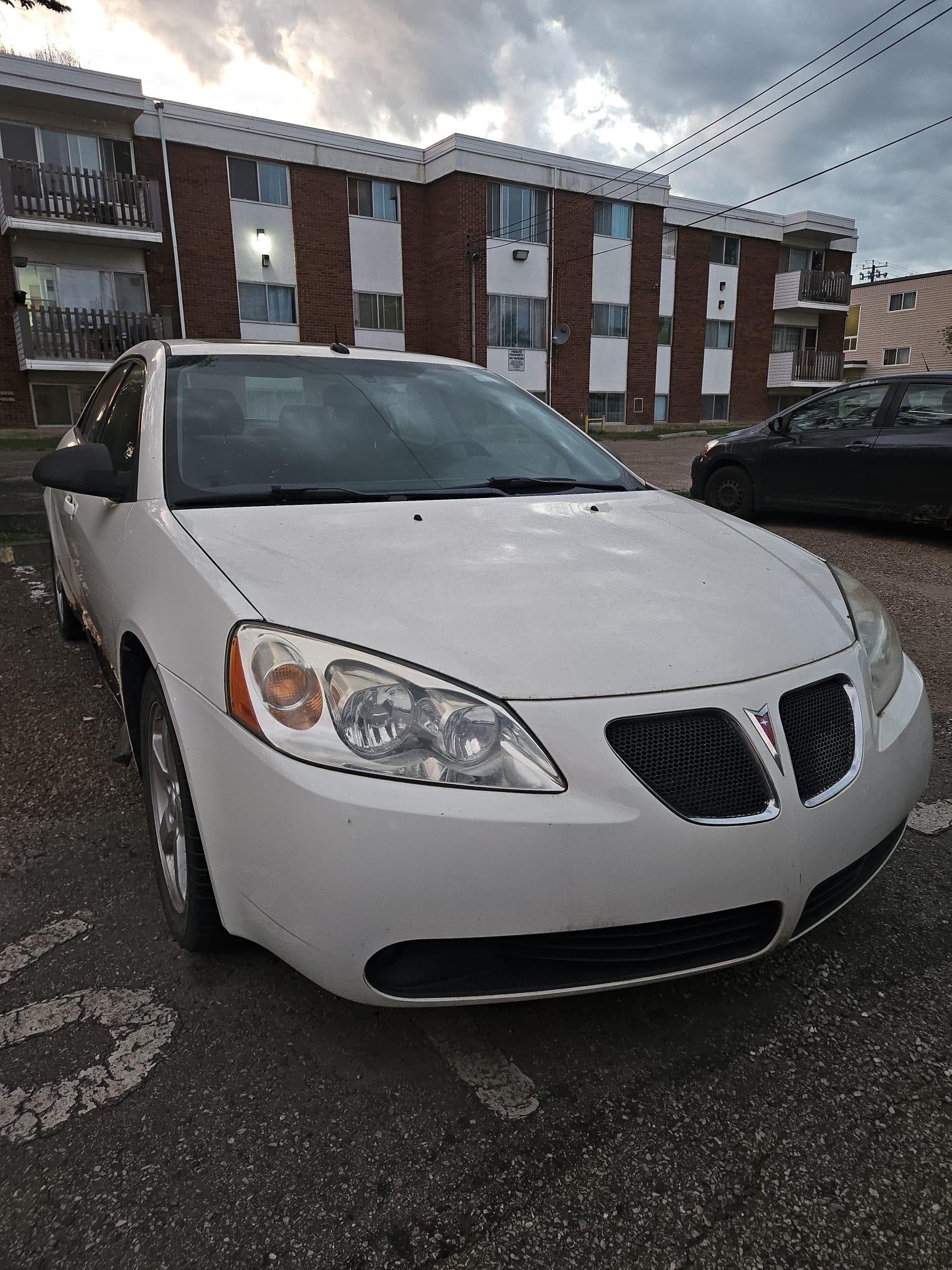
If you drive for a delivery or rideshare app in Calgary, your car isn't just transportation. It's your workplace, your biggest business expense and, quite often, the thing standing between a good week and a bad one. One dead alternator on a Friday night and you've lost the most profitable shift of the week.
Most gig drivers track what they earn. Far fewer track what each kilometre is costing them. That's a problem, because a car that's quietly getting more expensive can turn a decent side income into a break-even job without you noticing. This guide gives you a simple cost-per-kilometre calculation, shows how to spot the moment your car stops paying for itself, and explains what to do about it.
Why Gig Driving Ages a Car So Quickly
A typical commuter might drive 15,000 to 20,000 km a year. A busy gig driver can do double that or more, and the kilometres are harder ones:
• Stop-and-go driving. Short trips, constant braking and lots of idling wear brakes, transmissions and engines faster than highway kilometres.
• Dead kilometres. Driving to a pickup, waiting near restaurants, and heading back to a busy zone all add kilometres that don't pay.
• Calgary winters. Cold starts, salt, potholes and chinook freeze-thaw cycles hit a high-mileage car hard.
• Parking-lot life. Tight lots, curb hops and door dings add up when you're in and out of the car fifty times a shift.
The result is that a gig car can reach the end of its useful life years sooner than the same model driven by a commuter.
The Number That Matters: Your Real Cost per Kilometre
Your cost per kilometre is everything the car costs you in a year, divided by the kilometres you drove. It tells you how much of every kilometre's earnings is really yours. Here's an example for a high-mileage sedan in Calgary. Swap in your own numbers.
|
Cost (per year) |
Example: older high-km sedan |
Your number |
|
Kilometres driven |
35,000 km |
|
|
Fuel (9 L/100 km at $1.45/L) |
$4,570 |
|
|
Insurance that covers gig use |
$2,800 |
|
|
Routine maintenance (oil, brakes, tires) |
$2,100 |
|
|
Repairs |
$2,500 |
|
|
Registration |
$100 |
|
|
Depreciation |
$1,000 |
|
|
Total yearly cost |
$13,070 |
|
|
Cost per kilometre |
About $0.37 |
|
Now compare that to what you earn per kilometre — all kilometres, including the dead ones. If you average 60 cents per kilometre driven and your car costs 37 cents, you keep 23 cents. If repairs jump next year and your cost climbs to 50 cents, your take-home falls by more than half while you work exactly the same hours.
The figures above are examples to show the method, not averages. Fuel prices, insurance and repair costs vary widely between drivers and vehicles.
The Hidden Cost Most Drivers Forget: Downtime
Repairs don't just cost the repair bill. They cost the shifts you can't work while the car is in the shop. Add this to your calculation:
Downtime cost = days off the road × your average daily earnings
If you average $150 a day and your car spends eight days in the shop over a year, that's $1,200 of lost income on top of the repair bills. For an unreliable car, downtime can be the biggest cost of all.
Five Signs Your Gig Car Has Stopped Paying
1. Your cost per kilometre is rising year over year. Track it every few months. A steady climb means the car is getting more expensive to run.
2. Repairs are back-to-back. One big repair is bad luck. Three in six months is a pattern.
3. You're losing shifts to breakdowns. Every missed Friday or Saturday night is expensive.
4. A major repair costs more than the car is worth. Spending $3,000 on a transmission for a car worth $2,500 rarely makes sense.
5. Your platform's vehicle rules are catching up with you. Rideshare and delivery platforms set vehicle age and condition requirements, and those rules change. Check your platform's current requirements for Calgary.
Repair, Replace or Run It Into the Ground?
Repair it when
• The repair is a one-off, not part of a pattern.
• The car is otherwise reliable and rust-free.
• The repair costs much less than the car is worth and buys you a year or more of steady driving.
Replace it when
• Your cost per kilometre has climbed for two years in a row.
• Downtime is costing you more than a car payment would.
• A big repair is due and the car has high kilometres and visible rust.
Don't run it into the ground
It's tempting to drive a failing car until it dies. But a car that breaks down completely is worth less than one that still runs, and it usually dies at the worst possible moment — on a busy shift, far from home, with a customer waiting.
Is a Newer, Efficient Car Actually Cheaper?
Not automatically. A newer hybrid can cut your fuel bill dramatically, but it adds depreciation or a monthly payment, and insurance may be higher. Run the same cost-per-kilometre calculation for the replacement before you buy:
|
Cost (per year, 35,000 km) |
Older sedan |
Newer hybrid (example) |
|
Fuel |
$4,570 |
$2,540 |
|
Insurance |
$2,800 |
$3,000 |
|
Maintenance |
$2,100 |
$1,400 |
|
Repairs |
$2,500 |
$500 |
|
Registration |
$100 |
$100 |
|
Depreciation or finance cost |
$1,000 |
$4,000 |
|
Total |
$13,070 |
$11,540 |
|
Cost per kilometre |
About $0.37 |
About $0.33 |
In this example the newer car is cheaper per kilometre, and far more reliable, but only modestly cheaper. The biggest win is usually fewer breakdowns and less downtime. Your numbers will tell you whether the switch makes sense.
Getting Out of the Old Car Without Losing Shifts
The trickiest part of replacing a gig car is the gap between the old one and the new one. Every day without a car is a day without income. A few ways to keep that gap short:
• Line up the replacement first, then sell the old car the same day or the day after.
• Don't spend money on repairs to make the old car "sellable." It rarely pays back.
• Get a firm quote on the old car before you start shopping, so you know exactly what you're working with.
• Book a pickup rather than spending your own shifts on test drives and no-show private buyers.
High-kilometre gig cars are hard to sell privately. Buyers see the odometer and assume the worst. A local buyer offering cash for cars Calgary drivers trust will quote the car over the phone, tow it for free and pay at pickup, so the old car is gone in one appointment instead of weeks of listings. If it has already broken down, a buyer who pays cash for junk cars will still take it, running or not.
Don't Forget the Business Side
• Keep a kilometre log. As a self-employed driver, the business-use portion of your vehicle expenses may be deductible. A simple log of business and personal kilometres makes tax time much easier.
• Talk to an accountant before selling. Selling a vehicle you've claimed for business can affect your tax return, and rideshare drivers have specific GST rules.
• Update your insurance. Cancel the old policy the day the car is sold, and make sure your new car has coverage that suits gig work from day one.
• Keep your plate. In Alberta the licence plate belongs to you, not the car. Take it off before the car leaves.
Quick Answers
What's a "good" cost per kilometre for a gig car?
There's no single number. What matters is the gap between what you earn per kilometre and what the car costs, and whether that gap is shrinking.
Will anyone buy a car with 350,000 km?
Yes. Cash for cars Calgary buyers price high-kilometre cars on their weight, parts and condition, so very high mileage doesn't stop a sale.
Should I sell before winter?
If the car is already unreliable, selling before winter avoids a season of cold-start failures, salt and pothole damage — and a breakdown during your busiest weeks.
The Bottom Line
Your car is the engine of your gig income, and like any business tool, it eventually costs more than it earns. Work out your cost per kilometre, add the hidden cost of downtime, and check those numbers every few months. When the gap between what you earn and what the car costs keeps shrinking, it's time to move on — before a breakdown on a busy Friday night makes the decision for you.

 English
 French
 Spanish
 Portuguese
 Deutsch
 Turkish
 Dutch
Dutch
 Italiano
 Russian
 Romaian
 Portuguese (Brazil)
 Greek
Greek
 Bengali