


Life Science Curriculum for Elementary Homeschool Students: What to Teach
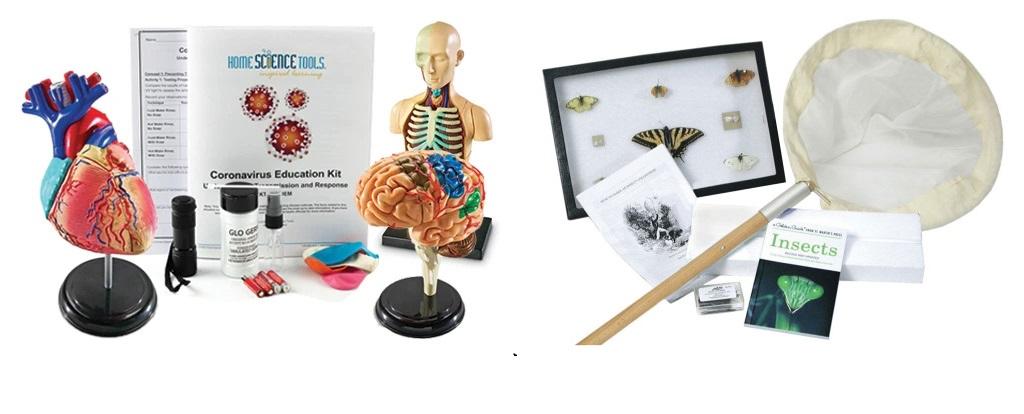
Children are naturally curious about the living world around them. A walk outside can lead to questions about insects, plants, birds, or even the way the human body works. A Life Science Curriculum gives those questions a place in the homeschool routine while introducing important science concepts through everyday experiences.
Understanding What Makes Something Alive
A simple way to begin is with a question: what makes something living?
Your child can compare a plant, a pet, a rock, and a toy. Talk about growth, movement, reproduction, food, water, and other needs of living things.
This activity can be as simple as looking around the house or yard. The goal is to encourage children to notice differences and explain their thinking.
Getting to Know Plants
Plants are easy to bring into a homeschool lesson because they are all around you. A small garden or even a pot on a windowsill can become a science project.
Teach children about roots, stems, leaves, flowers, fruits, and seeds. Then let them see these parts in action.
Planting seeds is a great activity for younger students. They can measure the seedlings, draw what they see, and write down changes from week to week.
As they progress, introduce topics such as pollination, seed dispersal, photosynthesis, and plant reproduction.
Exploring Animals and Life Cycles
Animals are another familiar way to introduce life science. Children can learn how different animals look, behave, eat, and interact with their environments.
You can start with animals your child already knows. From there, introduce mammals, birds, reptiles, amphibians, fish, and insects.
Life cycles are a natural next step. A butterfly, frog, or chicken lets children see how animals change as they grow.
Ask your child to draw each stage of a life cycle. They can also keep an animal journal with drawings, observations, and questions.
Learning About the Human Body
Kids tend to have plenty of questions about their own bodies. Those questions can lead to memorable science lessons.
Elementary students can learn the basics of bones, muscles, the heart, lungs, digestion, and the brain. Nutrition, exercise, sleep, and hygiene also fit well into these lessons.
Keep activities simple and hands-on. Have your child count their heartbeat before and after jumping. A basic lung model made from household materials can demonstrate how breathing works.
Looking at Habitats Close to Home
A backyard, neighborhood, or nearby park can become a place for life science exploration. Children can look for plants, insects, birds, and other organisms while learning how they depend on their surroundings.
Introduce concepts such as habitats, food chains, producers, consumers, and decomposers. Then look for real examples during outdoor activities.
Ask questions along the way. What does that insect eat? Where does it shelter? Which plants grow nearby? This turns observation into scientific thinking.
Making Science Hands-On
Experiments give children a chance to make predictions and find answers for themselves. They also make abstract ideas easier to remember.
Try growing two plants under different light conditions. Your child can predict the results, measure the plants, and record changes.
Other projects can explore seed germination, decomposition, animal adaptations, or soil conditions. Choose activities that encourage children to observe closely and explain their results.
Creating a Homeschool Science Routine
A Life Science Curriculum can fit easily into a flexible homeschool schedule. A science lesson might involve a short reading one day and an outdoor activity the next.
You could spend Monday learning about seeds, Tuesday planting them, and Friday checking their progress. A science journal can connect those activities and give your child a record of what they discovered.
Keep lessons active, allow room for questions, and follow interesting observations when they come up.
Finding Materials for Life Science Lessons
Hands-on materials can make it easier to turn science topics into activities at home. Home Science Tools offers educational resources and science materials for homeschool learning.
For more information about Homeschool Chemistry Curriculum and Telescope For Kids
please visit Home Science Tools.

 English
 Arabic
 French
 Spanish
 Portuguese
 Deutsch
 Dutch
Dutch
 Italiano
 Russian
 Romaian
 Portuguese (Brazil)
 Greek
Greek
 Bengali