


DG cargo logistics India
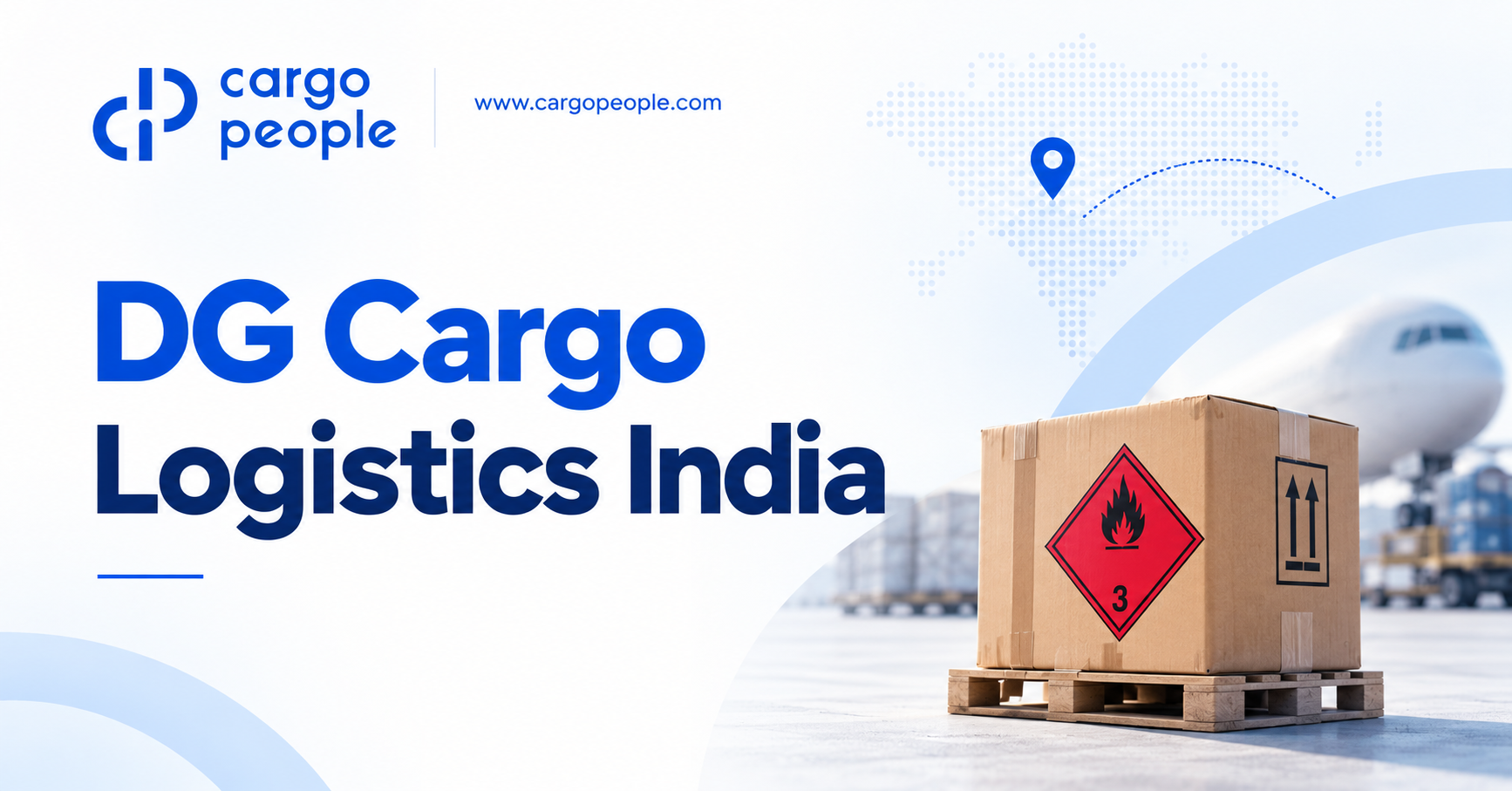
Dangerous Goods, commonly known as DG cargo, require more planning than regular freight.
These shipments may include chemicals, batteries, flammable liquids, gases, paints, industrial materials and other regulated products that can create safety risks during transportation.
For Indian importers, exporters and manufacturers, DG cargo movement is not only about booking a vessel or flight. It also requires correct classification, approved packaging, labels, declarations and carrier acceptance.
An experienced DG Cargo Logistics Company in India can help businesses plan the shipment correctly and reduce the risk of rejection, delay or additional handling charges.
What Is DG Cargo?
DG cargo refers to goods classified as dangerous for transportation because they may pose risks to people, property, transport equipment or the environment.
Dangerous goods are divided into different classes depending on their hazard.
These can include:
- Explosives
- Gases
- Flammable liquids
- Flammable solids
- Oxidising substances
- Toxic substances
- Radioactive materials
- Corrosive materials
- Miscellaneous dangerous goods
The exact transport requirement depends on the cargo classification, packing group and mode of transport.
Why DG Cargo Logistics Is Important
Dangerous goods cannot be transported like ordinary commercial cargo.
A small error in documentation or packaging can lead to:
- Airline rejection
- Shipping-line rejection
- Port delays
- Additional inspection
- Storage charges
- Cargo damage
- Safety incidents
- Customs complications
This is why DG cargo planning should start before the cargo reaches the airport, port or freight terminal.
Who Needs DG Cargo Logistics Services?
DG freight services are commonly required by:
- Chemical manufacturers
- Battery importers
- Pharmaceutical companies
- Automotive businesses
- Paint and coating manufacturers
- Industrial suppliers
- Electronics businesses
- Oil and lubricant companies
- Engineering companies
- Exporters of regulated materials
The logistics process should be designed according to the exact product and hazard classification.
DG Cargo Classification
Correct classification is the first step.
The shipper should identify:
- UN Number
- Proper Shipping Name
- Hazard Class
- Packing Group, where applicable
- Flash Point, where relevant
- Net and gross weight
- Packaging type
Incorrect classification can create serious problems later in the shipment.
A freight forwarder should review the cargo information before confirming the booking.
Air Freight for DG Cargo
Air transport follows strict dangerous-goods rules.
The shipment may require:
- Approved packaging
- Correct labels
- UN markings
- Shipper's Declaration
- Safety Data Sheet
- Airline acceptance
- Special handling
Not every airline accepts every dangerous-goods class.
Therefore, space confirmation should be obtained only after the airline has reviewed the cargo details.
Air freight is generally suitable for urgent, smaller and high-value DG shipments.
Sea Freight for DG Cargo
Sea freight is often preferred for larger dangerous-goods shipments.
The process generally includes:
- DG declaration
- Correct packaging
- Container planning
- Shipping-line approval
- Port documentation
- Placarding
- Stowage planning
The shipping line may ask for additional documents depending on the commodity and route.
For regular importers or exporters, early vessel planning can help avoid last-minute cargo rollover.
Documents Required for DG Cargo
Typical documentation may include:
- Commercial Invoice
- Packing List
- Bill of Lading or Air Waybill
- Safety Data Sheet
- Dangerous Goods Declaration
- UN classification details
- Packing certificate, where applicable
- Certificate of Analysis, where relevant
- Import Export Code
- Product-specific approvals
- Insurance documents
The exact document list depends on cargo type and transport mode.
DG Packaging and Labelling
Packaging is one of the most important parts of dangerous-goods transportation.
The packaging should be suitable for the material and approved for the applicable hazard category.
Correct labels and markings help carriers and handlers identify the risk.
Depending on the shipment, this may include:
- Hazard labels
- UN Number
- Proper Shipping Name
- Orientation arrows
- Handling marks
- Lithium battery marks
- Limited quantity marks
Using normal commercial packaging for regulated dangerous goods can result in immediate shipment rejection.
Common Challenges in DG Cargo Logistics
DG shipments frequently face delays because information is shared too late.
One common problem is incomplete or outdated Safety Data Sheets.
Another is incorrect packing.
Other common challenges include:
- Wrong UN classification
- Missing DG declaration
- Incorrect labels
- Carrier restrictions
- Airline capacity limits
- Shipping-line approval delays
- Incorrect packaging
- Customs queries
- Storage and detention charges
These issues can significantly increase shipment cost.
Benefits of Professional DG Logistics Support
Professional handling can make DG shipments more predictable and safer.
Key benefits include:
- Correct cargo assessment
- Better carrier selection
- Faster booking approval
- Proper document coordination
- Reduced rejection risk
- Safer handling
- Better customs coordination
- Improved shipment visibility
- Lower risk of unexpected charges
For businesses shipping DG cargo regularly, a standard operating process can also improve efficiency.
How Can a DG Freight Forwarder Help?
A specialised freight forwarder can coordinate multiple parts of the shipment.
Support may include:
- DG cargo assessment
- UN classification review
- Air and sea freight
- Carrier acceptance coordination
- Packaging guidance
- DG documentation review
- Customs clearance
- Port and airport handling
- Door-to-door delivery
- Cargo insurance
The forwarder should review the cargo specification before giving a final routing or rate.
How Cargo People Supports DG Cargo
Cargo People Logistics & Shipping Pvt. Ltd. supports Indian businesses with specialised international freight forwarding for regulated and sensitive cargo.
Services can include:
- Air Freight
- Sea Freight - FCL and LCL
- Dangerous Goods Handling
- Customs Clearance
- Door-to-Door Delivery
- Warehousing
- Project Cargo
- Cargo Insurance
The shipment is planned according to hazard class, quantity, origin, destination and required transit time.
For regular DG cargo, routes and carrier options can also be planned in advance to improve reliability.
Conclusion
DG cargo logistics requires careful planning, correct classification, proper packaging and accurate documentation.
Whether the shipment moves by air or sea, businesses should confirm carrier acceptance and regulatory requirements before cargo dispatch.
Early planning can reduce rejection risk, avoid storage charges and improve overall shipment control.
If your business handles chemicals, batteries, flammable goods or other dangerous cargo, Cargo People can support the complete logistics process from origin to final delivery.
Need DG Cargo Logistics Support in India? Contact Cargo People.
👉https://cargopeople.com/blog/tag/project-cargo-logistics-in-india/
Website: https://cargopeople.com
Phone: +91 97174 65454
Email: wecare@cargopeople.com

 English
 French
 Spanish
 Portuguese
 Deutsch
 Turkish
 Dutch
Dutch
 Italiano
 Russian
 Romaian
 Portuguese (Brazil)
 Greek
Greek
 Bengali