


How Lifestyle and Surgery Address Enlarged Male Breasts
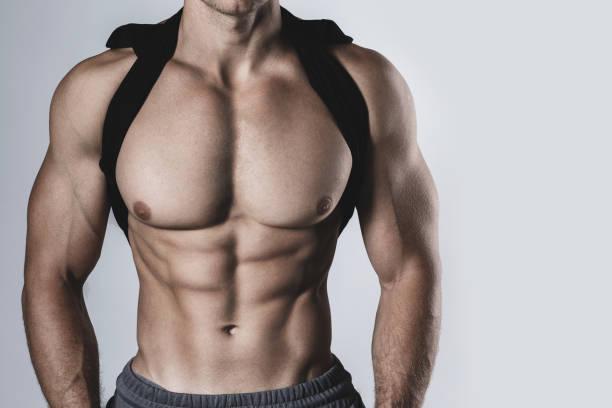
Enlarged male breasts can develop for several reasons, including excess body fat, glandular tissue, hormonal changes, certain medications, and significant weight fluctuations. While lifestyle habits can improve overall body composition, persistent glandular enlargement may require a different approach. For men considering Gynecomastia Surgery in Riyadh (تصغير الثدي عند الرجال في الرياض), understanding how lifestyle changes and surgery work differently can help set realistic expectations and guide treatment decisions.
Understanding the Causes of Enlarged Male Breasts
Male breast enlargement is commonly associated with gynecomastia, a condition involving the development of excess breast tissue. However, not every case of chest fullness is true gynecomastia.
Some men have fat-dominant chest enlargement, sometimes referred to as pseudogynecomastia. Others have firm glandular tissue beneath the nipple, while some have a combination of fat and glandular tissue.
Identifying the cause is important because lifestyle changes may be effective for some forms of chest fullness but cannot directly remove established glandular tissue.
How Lifestyle Changes Can Improve Chest Appearance
Healthy lifestyle habits can play an important role in managing excess body fat and maintaining a balanced physique. Regular physical activity combined with a nutritious diet can help reduce overall body fat, which may decrease fatty fullness in the chest.
Exercise and Strength Training
Strength training can help develop the chest muscles and improve overall upper-body proportions. Exercises such as push-ups, chest presses, and other resistance movements can contribute to stronger pectoral muscles.
However, exercise cannot selectively remove fat from one specific area, nor can it eliminate firm glandular breast tissue. Its primary benefit is improving overall body composition and muscle development.
Maintaining a Stable Weight
Significant weight gain can increase fatty tissue throughout the body, including the chest. Maintaining a relatively stable and healthy weight may help reduce the likelihood of additional fat accumulation.
For men with fat-related chest enlargement, weight management may produce noticeable improvement. However, persistent tissue beneath the nipple may remain even after substantial weight loss.
When Lifestyle Changes May Not Be Enough
If chest enlargement is primarily caused by glandular tissue, diet and exercise may not provide the desired correction. Firm tissue can remain even when a person reaches a healthy weight and develops stronger chest muscles.
In these situations, a professional evaluation can help determine whether the remaining fullness is true gynecomastia or primarily excess fat. The duration of the condition, medical history, medications, hormonal factors, and physical characteristics of the chest may all be considered.
How Surgery Addresses Persistent Chest Enlargement
Gynecomastia Surgery in Riyadh can directly address excess tissue that remains despite lifestyle efforts. Depending on the patient's anatomy, treatment may involve liposuction, glandular tissue excision, or a combination of techniques.
Liposuction for Excess Fat
When fatty tissue is the main contributor to chest enlargement, liposuction may be used to remove localized fat deposits. This can help create a smoother and more proportionate chest contour.
Liposuction is generally most useful when there is sufficient skin elasticity and the enlargement is predominantly related to fat.
Glandular Tissue Removal
Firm glandular tissue beneath the nipple may require direct surgical excision. The surgeon carefully removes the appropriate amount of tissue while considering the nipple, areola, and surrounding chest contour.
The goal is to reduce unwanted projection without creating an excessively hollow or unnatural appearance.
Combining Both Techniques
Some men have both fatty deposits and glandular tissue. A combined approach may therefore be appropriate. Liposuction can address excess fat around the chest, while excision can remove firmer glandular tissue.
The specific combination depends on the patient's anatomy and the surgeon's assessment.
Why Individual Assessment Matters
Treatment should not be based solely on how large the chest appears. Surgeons also evaluate skin elasticity, tissue consistency, nipple position, chest symmetry, body proportions, and overall health.
For men considering Gynecomastia Surgery in Riyadh, an individualized assessment can help determine whether surgery is appropriate and which technique may provide the most balanced result.
In some cases, medical evaluation may also be recommended to investigate possible hormonal or medication-related contributors to breast enlargement.
Combining Healthy Habits With Surgical Treatment
Surgery and lifestyle changes do not necessarily have to be viewed as alternatives. Maintaining a healthy weight and staying physically active can support the overall appearance of the body before and after surgery.
A stable weight can also help maintain the surgical contour. However, patients should understand that lifestyle habits cannot guarantee prevention of future changes caused by hormonal factors, medications, or other underlying conditions.
What to Expect During Recovery
Recovery depends on the extent of surgery and the techniques used. Temporary swelling, bruising, tenderness, and tightness are common during the early healing period.
A compression garment may be recommended to support the chest and help control swelling. Patients are generally advised to avoid strenuous exercise and heavy lifting until their surgeon provides clearance.
As healing progresses, swelling gradually decreases and the chest contour becomes more apparent. The final appearance may take time to develop fully.
Setting Realistic Expectations
The goal of treatment is generally to create a flatter, smoother, and more proportionate male chest. Surgery can remove unwanted tissue, but it cannot guarantee perfect symmetry or produce a specific muscular appearance.
Results can vary depending on skin quality, body composition, tissue type, healing response, and postoperative care. Discussing individual expectations with a qualified surgeon before treatment is essential.
Professional Gynecomastia Care at Royal Clinic Saudia
Royal Clinic Saudia provides individualized assessments for men experiencing persistent chest enlargement. The clinical team can evaluate whether excess fat, glandular tissue, loose skin, or a combination of factors is contributing to the condition.
For suitable candidates, Gynecomastia Surgery in Riyadh may provide an effective surgical option for reducing persistent chest fullness and improving overall proportions. During consultation, patients can discuss treatment options, recovery, potential risks, and realistic expectations.
Book an Appointment at Royal Clinic Saudia
If lifestyle changes have not provided the chest appearance you want, a professional consultation can help you understand the next steps. Royal Clinic Saudia ( عيادات رويال كلينك ) can assess your individual condition and recommend an approach based on your anatomy, health, and aesthetic goals.
FAQs:
Can losing weight reduce enlarged male breasts?
It may reduce chest fullness caused by excess fat, but it may not eliminate persistent glandular tissue.
Can chest exercises remove gynecomastia?
Exercise can strengthen the chest muscles and improve overall definition but cannot directly remove glandular breast tissue.
When may surgery be considered?
Surgery may be considered when persistent enlargement remains despite appropriate lifestyle measures and causes ongoing concern.
Can lifestyle changes support surgical results?
Yes. Maintaining a stable weight, exercising regularly, and following healthy habits can support overall body proportions and the long-term appearance of the chest.

 English
 Arabic
 French
 Spanish
 Portuguese
 Deutsch
 Dutch
Dutch
 Italiano
 Russian
 Romaian
 Portuguese (Brazil)
 Greek
Greek
 Bengali