


Turmeric in Skincare: Traditional Uses and Potential Benefits
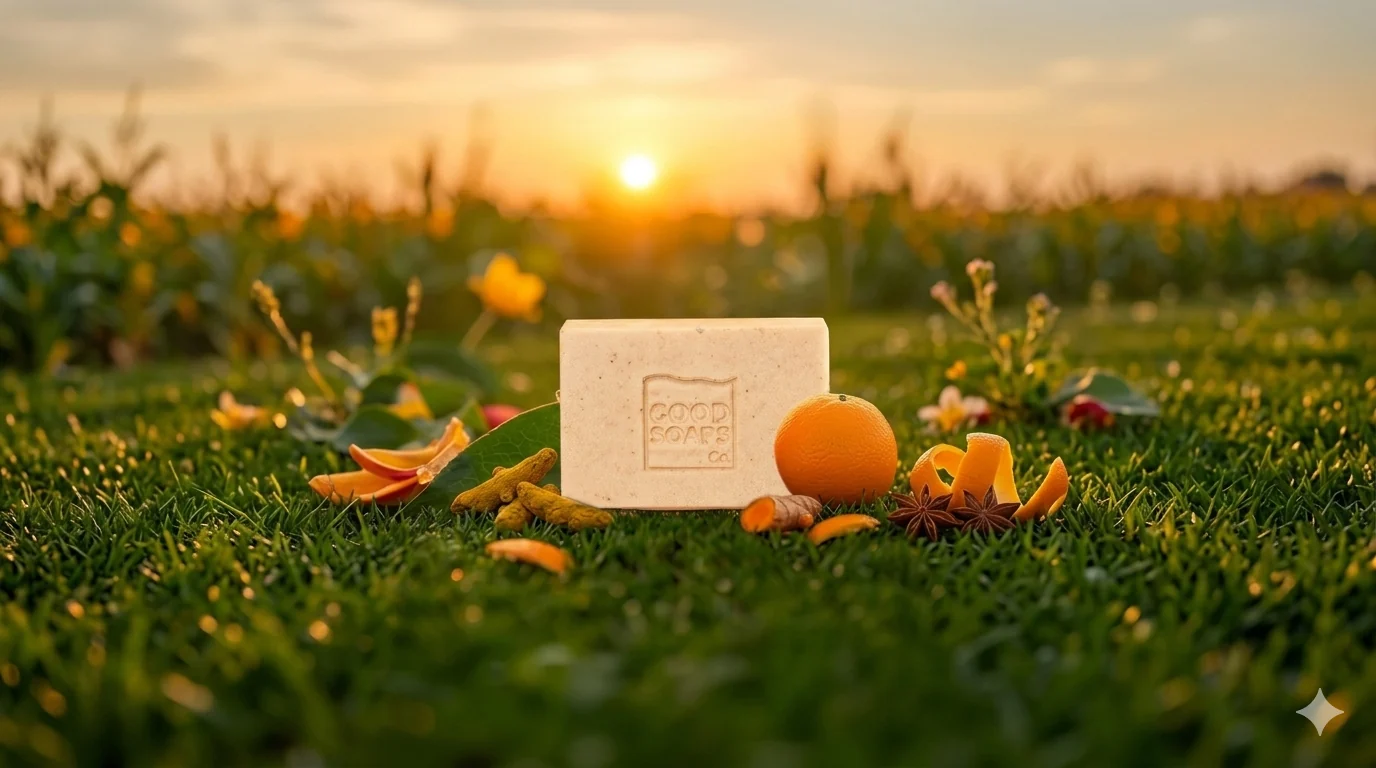
Turmeric has been used in traditional beauty routines for generations. Known for its distinctive golden-yellow colour, this popular spice is valued not only in cooking but also for its potential skincare properties. From homemade face masks to modern cleansing bars, turmeric continues to attract attention among people looking for plant-inspired skincare products.
One reason for this interest is curcumin, a naturally occurring compound in turmeric that has demonstrated antioxidant and anti-inflammatory properties in scientific research. However, the benefits of turmeric depend on how it is formulated and used. Traditional practices and promising laboratory findings do not automatically mean that every turmeric-based product will deliver visible results.
In this guide, we explore the traditional uses of turmeric, its potential role in skincare, and what to consider when adding a turmeric-based product such as Good Soap's Orange & Turmeric Soap to your daily routine.
The History of Turmeric in Traditional Skincare
Turmeric has a long history in South Asian beauty and personal care traditions. It has traditionally been included in homemade preparations, particularly before special occasions, and is often associated with routines intended to leave the skin looking fresh.
These preparations may combine turmeric with ingredients such as yoghurt, flour, milk, or other household ingredients. However, homemade mixtures vary considerably, and their effects depend on the ingredients, proportions, and individual skin sensitivity.
Today, turmeric is also used in commercially formulated skincare products, including cleansing bars, face masks, and creams. These products offer a more convenient way to incorporate turmeric-derived ingredients into a routine, although their performance depends on the complete formulation.
Traditional use helps explain turmeric's popularity, but it should not be confused with clinical proof that turmeric can treat pigmentation, acne, or other skin conditions.
What Makes Turmeric Interesting for Skincare?
Turmeric contains several naturally occurring compounds, including curcuminoids. Curcumin is the best-known compound in this group and has received considerable scientific attention.
Researchers have investigated curcumin for its antioxidant and anti-inflammatory properties, along with its potential applications in dermatology. Nevertheless, further clinical research is needed to establish how effective different turmeric preparations are for specific skin concerns.
Here are some of the properties that make turmeric an interesting skincare ingredient.
1. Antioxidant Properties
The skin is exposed to environmental factors such as ultraviolet radiation and pollution, which can contribute to oxidative stress. Antioxidants are studied for their potential role in limiting damage associated with reactive molecules.
Curcumin has demonstrated antioxidant activity in laboratory studies. This is one reason turmeric has attracted interest in skincare formulations.
However, the results of laboratory research cannot automatically be applied to a finished cleansing bar. The concentration, stability, and delivery of the ingredient all influence its potential effects.
2. Anti-Inflammatory Potential
Inflammation plays a role in several skin conditions, including acne-related inflammation and irritation. Curcumin has demonstrated anti-inflammatory properties in experimental research, making it a subject of interest for future skincare applications.
This does not mean that turmeric soap is a proven treatment for inflamed acne, eczema, or other inflammatory skin conditions. People experiencing persistent redness, swelling, or irritation may need a more targeted treatment recommended by a healthcare professional.
3. Traditional Use for a Brighter-Looking Complexion
Turmeric is commonly associated with beauty routines intended to support a fresh, radiant appearance. This traditional association has contributed to its popularity in products marketed for dull or uneven-looking skin.
However, there is limited strong clinical evidence that turmeric in a rinse-off soap can significantly reduce established dark spots or pigmentation. A brighter-looking complexion can also result from effective cleansing, adequate hydration, and consistent sun protection.
Potential Benefits of Turmeric in Everyday Skincare
When included in a suitable formulation, turmeric can be part of a straightforward skincare routine. Its potential role should be understood in the context of the product rather than the ingredient alone.
Supporting a Fresh-Looking Appearance
Dirt, sweat, excess oil, and other surface impurities can make skin look dull. A suitable cleanser helps remove this buildup and leaves the skin feeling fresh.
Turmeric-based cleansing products can fit into this routine, provided they clean effectively without causing dryness or irritation. The cleansing action itself is an important part of the product's function.
Complementing a Routine for Uneven-Looking Skin
Uneven skin tone may develop after acne, inflammation, or prolonged sun exposure. Turmeric is often included in skincare products designed for these concerns because of its traditional use and the properties being investigated in research.
Nevertheless, turmeric should not be relied upon as the sole solution for pigmentation. Daily broad-spectrum sunscreen with SPF 30 or higher, gentle cleansing, and suitable moisturising are more dependable foundations for maintaining skin health.
If dark spots persist or become more noticeable, a dermatologist can help identify their cause and recommend appropriate treatment.
Adding a Plant-Derived Ingredient to Your Routine
Some people prefer skincare products that feature familiar botanical ingredients. Turmeric offers a way to explore this preference through commercially formulated cleansers and other personal care products.
Still, natural origin does not automatically mean a product is gentle or suitable for everyone. Fragrance, essential oils, and other ingredients in the same formula can also affect skin tolerance.
Turmeric Soap: What Should You Know?
A turmeric soap is a cleansing product that contains turmeric or a turmeric-derived ingredient. Depending on the formula, it may be intended for face or body cleansing.
When selecting a turmeric soap, consider the following factors:
-
Ingredient transparency: Check the complete ingredient list to understand what the product contains.
-
Skin compatibility: Choose a formula that does not leave your skin feeling tight, excessively dry, or irritated.
-
Realistic expectations: Treat the product as a cleanser rather than a guaranteed solution for dark spots, acne, or skin whitening.
-
Directions for use: Follow the manufacturer's instructions and avoid leaving a rinse-off product on your skin longer than recommended.
-
Sensitivity: Introduce the product cautiously if you have sensitive skin or a history of reactions to botanical ingredients.
A product's overall formula matters more than the presence of turmeric alone. The cleansing ingredients, fragrance, and other components can influence how it performs on your skin.
Introducing Good Soap's Orange & Turmeric Soap
Good Soap's Orange & Turmeric Soap brings together two familiar ingredients associated with plant-inspired skincare. It offers a convenient way to include this ingredient combination in an everyday cleansing routine.
Turmeric is valued for its traditional skincare use and the antioxidant properties of curcumin being investigated in scientific research. Orange-derived ingredients may also contain compounds with antioxidant activity, depending on the specific ingredient used.
However, the presence of these ingredients does not guarantee that a cleansing bar will remove pigmentation, eliminate acne, or lighten your natural skin colour. Its suitability depends on the actual formulation and your skin's individual needs.
If you are considering Orange & Turmeric Soap, review the product details and ingredient list before use. Pair cleansing with a moisturiser suited to your skin type and daily sun protection for a more complete routine.
How to Use Turmeric-Based Skincare Responsibly
Introducing a new product gradually can help you understand how your skin responds to it.
Step 1: Check the ingredients. Review the label for turmeric, orange-derived ingredients, fragrance, and any other components that may not suit your skin.
Step 2: Perform a patch test. Follow the product's patch-testing directions before regular use, particularly if your skin is sensitive.
Step 3: Cleanse gently. Wet your skin, work the soap into a light lather, and rinse thoroughly. Avoid aggressive rubbing.
Step 4: Moisturise after cleansing. Apply a suitable moisturiser to help maintain skin comfort and support the skin barrier.
Step 5: Protect your skin from the sun. Use broad-spectrum SPF 30 or higher sunscreen during the day, especially if uneven pigmentation is a concern.
Stop using the product if you develop persistent itching, redness, burning, or other signs of irritation. If you have an existing skin condition, consult a healthcare professional before introducing unfamiliar skincare ingredients.
Are There Any Precautions When Using Turmeric on Skin?
Although turmeric is widely used in traditional skincare, it is not suitable for every person or every formulation.
Turmeric preparations may cause irritation or an allergic reaction in some individuals. Homemade mixtures can also be unpredictable because ingredient concentrations and preparation methods vary. Turmeric's strong colour may temporarily stain skin, fabrics, or other surfaces.
Citrus-derived ingredients require additional consideration. Certain orange essential oils and fragranced formulations may irritate sensitive skin, depending on the ingredient and concentration.
For these reasons, avoid assuming that a product is safe simply because it contains natural ingredients. Choose products with clear ingredient information, follow their directions, and discontinue use if irritation develops.
Final Thoughts
Turmeric has a long history in traditional South Asian skincare and continues to attract scientific interest because of curcumin's antioxidant and anti-inflammatory properties. These characteristics help explain its popularity in modern personal care products, but they do not establish that turmeric can treat every skin concern.
For everyday skincare, focus on using a cleanser that suits your skin, moisturising regularly, and protecting your skin from sun exposure. Turmeric-based products can be considered as part of this routine, provided you have realistic expectations about their benefits.
GoodSoaps Orange & Turmeric Soap offers a convenient way to explore turmeric-inspired cleansing alongside orange. Choose it based on your skin's needs, review its ingredients, and remember that consistent, gentle skincare is more valuable than promises of instant whitening or dramatic results.

 English
 Arabic
 French
 Spanish
 Portuguese
 Deutsch
 Turkish
 Dutch
Dutch
 Italiano
 Romaian
 Portuguese (Brazil)
 Greek
Greek
 Bengali