


Dental Crown After Root Canal: Is It Always Necessary?
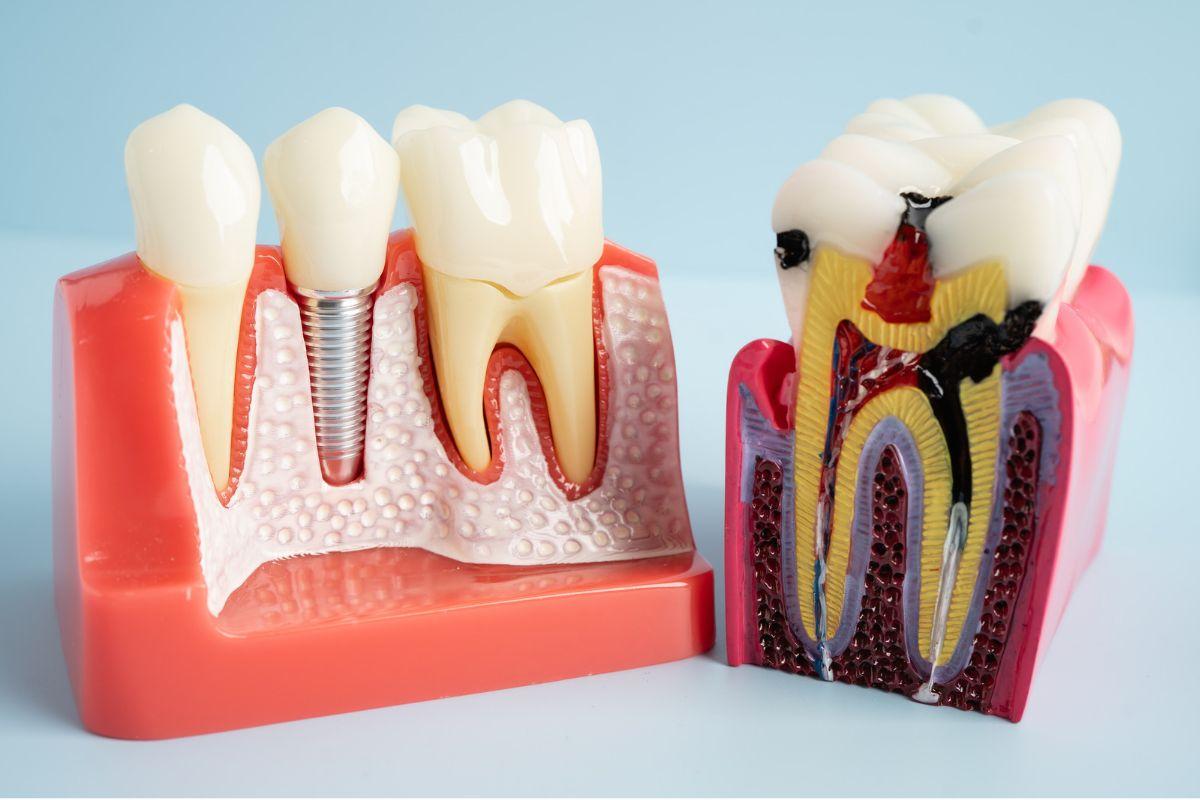
Root canal treatment is commonly performed to preserve a tooth when the pulp inside it becomes severely inflamed or infected. Once the affected tissue has been removed and the internal space has been cleaned and sealed, another important question often arises: do you always need a crown after root canal treatment?
The short answer is no—not every root canal-treated tooth automatically requires a crown. However, crowns are frequently recommended, particularly for back teeth or teeth that have lost a significant amount of natural structure.
The decision depends on factors such as the location of the tooth, how much healthy tooth structure remains, existing cracks or restorations, and the forces placed on the tooth during biting and chewing.
Why Does a Root Canal-Treated Tooth Need Restoration?
During root canal treatment, the dentist accesses the inside of the tooth to remove inflamed or infected pulp tissue. In many cases, the tooth has already been weakened by deep decay, a large filling, a fracture, or previous dental procedures.
After the root canal is completed, the opening in the tooth needs to be restored appropriately.
A crown after root canal may be recommended to cover and protect the remaining tooth structure, restore its shape, and allow it to function during chewing.
However, the type of final restoration should be based on the condition of the individual tooth rather than applying the same approach to every patient.
Why Are Crowns Commonly Recommended After Root Canal Treatment?
One important reason is structural protection.
Teeth requiring root canal therapy frequently have already lost substantial tooth structure before treatment begins. Removing additional tooth structure to access the root canals can further affect the tooth's ability to withstand chewing forces.
A root canal crown surrounds the remaining visible portion of the tooth and can help distribute biting forces across the restoration.
This is particularly important for molars and premolars because they experience significant pressure when grinding and chewing food.
For this reason, a crown after root canal is commonly considered for posterior teeth when the remaining tooth structure requires additional protection.
Is a Crown Always Necessary After a Root Canal?
No. Whether you need a dental crown after RCT depends on the tooth and its clinical condition.
In some cases, a front tooth may retain enough healthy structure to be restored with a bonded filling or another appropriate restoration. Front teeth generally experience different biting forces compared with molars.
However, if a front tooth has extensive decay, a large previous restoration, significant structural loss, or a fracture, a crown may still be recommended.
The dentist therefore evaluates how much healthy tooth remains rather than recommending a crown after root canal solely because root canal therapy was performed.
Which Teeth Are More Likely to Need a Crown?
Molars and premolars are more commonly restored with crowns following root canal therapy.
These teeth perform much of the grinding and crushing involved in chewing. As a result, they are subjected to considerable forces every day.
If a back tooth has undergone root canal treatment and has a large cavity or significant structural loss, restoring it with only a filling may not provide sufficient protection in some situations.
A crown for root canal tooth treatment can cover the remaining structure and help reduce the risk of parts of the tooth fracturing under normal function.
Still, the final recommendation should be based on a clinical assessment of the specific tooth.
What Factors Determine Whether You Need a Crown?
Several factors influence the decision to recommend a dental crown after root canal therapy.
The first is the amount of remaining natural tooth structure. A tooth with extensive structural loss may benefit more from full coverage than one with minimal damage.
The dentist may also consider the location of the tooth, presence of cracks, size of previous fillings, bite forces, teeth-grinding habits, condition of neighbouring teeth, and the way the upper and lower teeth come together.
The quality of the remaining tooth structure is just as important as the quantity.
These factors help determine whether a crown after root canal is appropriate or whether another restoration may be considered.
What Happens If You Don't Get a Recommended Crown?
If your dentist recommends a crown but the tooth is left without adequate final protection, the remaining tooth structure may be more vulnerable to fracture.
A minor fracture may sometimes be repairable. However, a deeper crack can make treatment significantly more complicated and, in certain situations, may affect whether the tooth can be retained.
There can also be concerns about the integrity of the restoration sealing the treated tooth.
This does not mean every root canal-treated tooth without a crown will fracture. Rather, the need for a root canal crown depends on the structural condition and functional demands placed on the tooth.
If a crown has been recommended, ask your dentist why it is considered beneficial in your particular case.
How Soon Should a Crown Be Placed After Root Canal Treatment?
The timing of a dental crown after RCT varies depending on the tooth and treatment circumstances.
In some cases, the final restoration can be planned soon after the root canal is completed. In others, the dentist may want to evaluate symptoms, healing, or other clinical factors before proceeding.
If a temporary filling or restoration has been placed, it is important to follow your dentist's instructions and return for the recommended final restoration.
Avoid assuming that the absence of pain means the tooth no longer requires further treatment.
Until the final restoration is completed, your dentist may advise you to avoid placing excessive chewing pressure on the treated tooth.
Does a Crown Make a Root Canal Tooth Stronger?
It is more accurate to say that a dental crown can help protect and reinforce the remaining tooth structure rather than making the tooth identical to an untouched natural tooth.
A crown covers the visible portion of the tooth and helps distribute functional forces. Its effectiveness depends on factors such as the amount of remaining tooth structure, crown design, bite, oral hygiene, and overall treatment quality.
A crown for root canal tooth treatment is therefore one part of the overall restorative plan rather than a guarantee against future dental problems.
How Long Can a Root Canal Tooth With a Crown Last?
There is no fixed lifespan for a root canal-treated tooth or its crown.
Long-term outcomes depend on the condition of the tooth before treatment, quality of the root canal and final restoration, gum health, oral hygiene, bite forces, teeth grinding, diet, and regular dental maintenance.
A properly planned crown after root canal treatment may help protect a structurally compromised tooth, but both the tooth and restoration still require ongoing care.
Regular brushing, interdental cleaning, dental examinations, and professional cleaning remain important.
Questions to Ask Your Dentist Before Getting a Crown
If your dentist recommends a crown, ask how much healthy tooth structure remains and why full coverage is preferred over another type of restoration.
You can also ask what type of dental crown is appropriate, whether additional tooth preparation is required, how the tooth should be cared for before the crown is placed, and what maintenance will be needed afterward.
Understanding the reason for the recommendation can help you make a more informed treatment decision.
Conclusion
A crown after root canal is not automatically necessary for every tooth. The decision depends on the location of the treated tooth, the amount and quality of remaining structure, existing restorations or cracks, and the biting forces it needs to withstand.
Back teeth are commonly considered for crowns because they generally experience greater chewing forces, while some front teeth with sufficient healthy structure may be restored differently.
If you have recently completed root canal therapy and are unsure whether you require a dental crown after RCT, a professional evaluation at Dent Heal can help assess the condition of the treated tooth and explain the most appropriate restorative options.
The goal after a root canal is not simply to eliminate symptoms. Appropriate final restoration and ongoing dental care are important parts of protecting the treated tooth and maintaining its function over the long term.

 English
 Arabic
 French
 Spanish
 Portuguese
 Deutsch
 Turkish
 Italiano
 Russian
 Romaian
 Portuguese (Brazil)
 Greek
Greek
 Bengali