


Can Surgical Scar Revision in Islamabad Help With Keloid and Hypertrophic Scars?
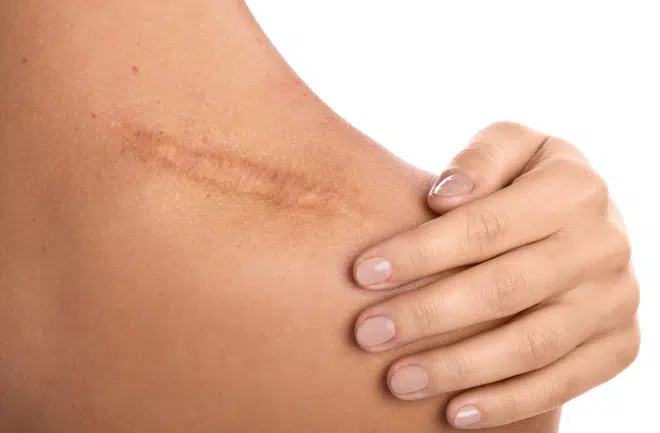
Raised scars are some of the most frustrating to live with. They can be red, itchy, tender, and impossible to hide, and they sometimes return even after treatment. If you have one, you may be asking whether Surgical Scar Revision in Islamabad can help or whether it risks making things worse. The answer is that surgery can help in selected cases, but it is almost never used alone. This guide explains the difference between keloids and hypertrophic scars and how treatment is planned for each.
Understanding the Difference
Hypertrophic scars and keloids look similar at first, which is why they are often confused. A hypertrophic scar is raised and thick but stays within the edges of the original wound, and it often improves slowly over a year or two. A keloid grows beyond the original injury, can keep spreading, and rarely shrinks on its own. Keloids are more common in people with darker skin and in those with a family history. Telling them apart matters, because the risk of recurrence and the treatment plan differ.
Why Raised Scars Form
Raised scars come from an overactive healing response. After an injury, the body produces collagen to close the wound, and in some people this process does not switch off in time. The result is too much tissue, which pushes the scar above the skin. Tension on the wound, infection, and a long healing time can all encourage this. Certain areas, such as the chest, shoulders, upper back, and earlobes, are especially prone. Knowing the cause helps your surgeon choose measures that calm the scar instead of provoking it.
Can Surgery Treat Hypertrophic Scars?
Yes, in many cases. If a hypertrophic scar remains thick, wide, or tight after waiting a year or so, surgery can remove the excess tissue and reposition the scar. Techniques such as Z-plasty can reduce tension, which is a major driver of thickening. Surgery is usually paired with silicone sheets, pressure garments, or steroid injections after the wound has begun to heal. This combined approach lowers the chance of the scar returning and makes the result more stable.
Can Surgery Treat Keloids?
Keloids need much more caution. Simply cutting one out carries a high chance that it will grow back, sometimes larger than before. For that reason, keloid surgery is nearly always combined with other treatments, such as steroid injections given at the time of surgery and afterward, silicone therapy, pressure devices, or in some cases radiation. Some keloids are better managed with injections and other non-surgical methods first. An honest surgeon will explain the recurrence risk plainly and will not promise a permanent cure.
Non-Surgical Treatments Often Tried First
Many raised scars are treated without an operation. Steroid injections soften and flatten the scar over several sessions. Silicone gel or sheets keep the scar hydrated and calm. Pressure therapy, using garments or clips, is especially helpful for earlobe keloids and burn scars. Lasers can reduce redness and improve texture, and cryotherapy, which freezes the tissue, helps smaller keloids. Surgery tends to come after these options when the scar is large, bothersome, or unresponsive.
The Importance of Preventing Recurrence
Preventing the scar from coming back is the real challenge. After surgery, close follow-up is essential, because early signs of regrowth can be treated quickly. Injections may be repeated at set intervals, and you may be asked to use silicone and compression for several months. Protecting the wound from tension, infection, and sun also lowers the risk. Skipping these steps is one of the main reasons raised scars return, so it is worth treating aftercare as part of the treatment itself.
Choosing the Right Timing
Timing is critical for raised scars. A young scar is still active and may flatten by itself, so operating too early can trigger more thickening. Many surgeons wait until the scar has been stable for some time, often a year or more, unless it is causing significant pain or limiting movement. In those cases, earlier action may be justified, with strong supportive treatment. Your surgeon will judge the scar's activity by its color, firmness, and symptoms.
Who Should Be Extra Careful
If you have had keloids before, tell the surgeon at the very first visit. Even a small procedure, such as piercing or removing a mole, can trigger a new keloid in some people. Surgeons may suggest a test approach, treating a small area first to see how your skin reacts. They may also decide that surgery is not right for you at all. That is not a failure of care but a protection against a worse scar.
What Results Are Realistic
Most patients with raised scars see a flatter, softer, less irritating scar rather than a perfect one. The itching and tenderness often improve noticeably, which many people value as much as appearance. Some scars need repeated treatments over a year or more. A realistic aim is a scar that is controlled and comfortable. Be wary of anyone who guarantees that a keloid will never return.
Final Thoughts
Surgical scar revision can help with hypertrophic scars and, with care, some keloids, but it works best as part of a combined plan that includes injections, silicone, pressure, and close follow-up. Timing, history, and aftercare matter just as much as the operation itself. If you have a raised scar, a consultation is the best way to learn which route fits your skin. Bring your full history, ask about recurrence, and choose a plan that balances hope with honesty.

 English
 Arabic
 French
 Spanish
 Portuguese
 Turkish
 Dutch
Dutch
 Italiano
 Russian
 Romaian
 Portuguese (Brazil)
 Greek
Greek
 Bengali